Tehran – Iran has clarified its position on the recent joint defence agreement between Pakistan, Saudi Arabia and Turkey, saying that it is not considered a threat to Tehran.
Iranian Foreign Ministry Spokesperson Esmail Baqai said in a press conference that Iran does not view defence arrangements between regional countries as a move against it.

He said that regional security should be strengthened through mutual cooperation and trust between regional countries rather than external powers.
Esmail Baqai also urged Gulf countries not to allow their territory to be used for possible American attacks against Iran.
According to the Iranian spokesperson, the countries of the region are reaching the conclusion that long-term security cannot be achieved by relying on external powers. According to him, regional countries need to create more self-reliance in their security systems.
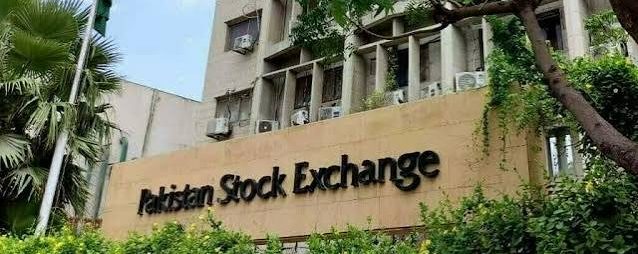
Iran’s position is being considered important in the context of the defence agreement signed in Mecca between Pakistan, Saudi Arabia and Turkey. The aim of the agreement is said to be to strengthen defence cooperation and collective security among the three countries.
Iran, however, has focused its concerns on the US and its military presence in the region. Baqaei said that external interference is a major reason for the current insecurity in the Middle East for Tehran.
The Iranian Foreign Ministry spokesman also reiterated his tough stance on possible talks with the US. According to him, there will be no talks with Washington as long as the violations of the interim agreement continue.
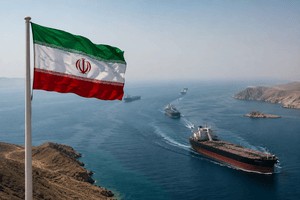
The Strait of Hormuz was also a prominent topic in the Iranian press conference. Baqaei said that there is scope for opening the Strait of Hormuz if there is no interference from a third party.
He also refrained from calling the agreement with Oman a full guarantee for shipping in the Strait of Hormuz. According to him, the US is not a party to this issue.
The Strait of Hormuz is a key shipping route for global energy supplies. Therefore, any security developments here could have an impact on regional trade, energy prices and global markets.
The Iranian stance suggests that Tehran does not view the defence cooperation between Pakistan, Saudi Arabia, and Turkey as an immediate threat. However, Iran maintains reservations about the US military role in the region and external security arrangements.
This development is particularly important for Pakistan in the current context. Islamabad has defence ties with Saudi Arabia and Turkey, while Pakistan also has longstanding and important neighbourly relations with Iran.
Iran’s failure to call the defence agreement a threat is a relatively cautious message for regional diplomacy. However, the broader security situation in the Middle East and issues related to the Strait of Hormuz may continue to influence the region’s diplomatic priorities in the future.