Tehran – Iran has announced that it is moving forward with a new strategic plan for the Strait of Hormuz and the Persian Gulf. An Iranian parliamentary committee has agreed on the basic outlines of the plan.
According to Iranian officials, the plan includes measures related to the security of the Strait of Hormuz and the development of the region. However, full details of the plan have not yet been made public.


The Iranian parliament is already working on a law on the management of the Strait of Hormuz and the passage of ships. This issue has become an important part of Tehran’s regional strategy in recent months.
According to Valiollah Bayati, a member of the Iranian parliamentary committee, the basic principles of the plan were determined after listening to the opinions of the members in the meeting. He linked it to the security of the Strait of Hormuz and the Persian Gulf.
Recent reports from the Iranian parliament have also suggested restricting the passage of American and Israeli ships. The move, according to Tehran, is aimed at strengthening its administrative authority over the strait.
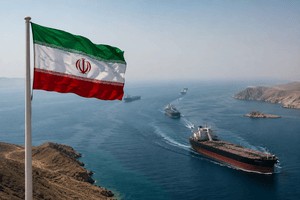
The development comes at a time when trade activities in the Strait of Hormuz are already severely affected. A significant drop in global shipping traffic has increased pressure on global energy supplies.
The Strait of Hormuz is a crucial passage for global energy trade. Before the war, about 20 percent of the world’s petroleum and LNG supplies passed through this route.
The recent tensions have made this vital sea route a central topic of international diplomacy and energy markets. Several countries are calling for the restoration of safe and unimpeded maritime traffic.
Talks are also ongoing between Iran and Oman to reopen the Strait of Hormuz. The proposed arrangement considers the roles of both countries in different parts of the strait.
However, the United States is opposed to giving Iran special authority over the management of the strait. This disagreement has further complicated the negotiations.
One potential impact of the Iranian move could be on the global oil market. Continued disruption or limited traffic in the strait could increase supply concerns and cause price volatility.
This month, US officials have also expressed concern about the risks to shipping in the strait. According to the US Maritime Advisory, commercial ships in the region are facing attacks and other security threats.
The situation became more sensitive on August 14 when two tankers belonging to the UAE’s state-owned oil company ADNOC were attacked by drones while passing through the Strait of Hormuz. The UAE blamed Iran for the attacks, although no casualties were reported.
Iran’s new plan is being seen in the same broader regional context. Tehran wants to strengthen its role in Hormuz, while the US and other countries are pushing for freedom of navigation.
The ultimate impact of this situation will depend on the details of the plan and its practical implementation. It is currently clear that the Strait of Hormuz has become a major pressure point for regional security as well as global energy and trade.