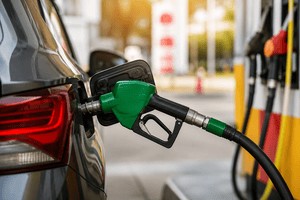
Islamabad – The Economic Coordination Committee (ECC) has approved an additional Rs 1.34 per litre increase in the dealers’ margin of petrol and high-speed diesel. After this decision, the dealers’ margin will increase from Rs 8.64 to Rs 9.98 per litre.
This decision was taken after considering the summary of the Petroleum Division. The matter came to light at a time when petroleum dealers were demanding an increase in their margin.

The Pakistan Petroleum Dealers Association had postponed its nationwide strike plan after the government’s assurance. Progress was made in increasing the margin after negotiations between the government and dealers.
All Pakistan Petrol Pumps Owners Association Vice Chairman Noman Butt welcomed the decision. He thanked Prime Minister Shahbaz Sharif and Petroleum Minister Ali Pervez Malik.
After the new decision, dealers will get a margin of Rs 9.98 per litre on both petrol and diesel. Earlier, this amount was Rs 8.64 per litre.
The basis for this increase was actually in the decision taken in December 2025. At that time, the ECC approved a total increase of Rs 1.34 in the dealers’ margin.
The government had decided to implement this increase in two phases. The second phase was linked to the digitalisation of the petroleum sector.
As per the December 2025 decision, the dealers’ margin was initially increased by 67 paise. After that, the margin increased from Rs 8.64 to Rs 9.31 per litre. The remaining 67 paise was to be included in the later phase.
Now, after the full increase, the margin has reached Rs 9.98 per litre. This decision can help petroleum dealers cope with the increasing business and operational costs.
However, this decision does not mean the immediate announcement of a new official price of petrol or diesel. Dealers’ margin is a part of the overall calculation of the price of petroleum products.
The actual impact on consumers will be assessed at the time of future price determination. This also includes global oil prices, exchange rates, government levies and other relevant factors.
On the other hand, the government is earning significant revenue from petroleum products. In the financial year 2025-26, the collection of the petroleum levy was about Rs 1.567 trillion. This was about Rs 99 billion higher than the budget target.
The increase in the margin of dealers and oil marketing companies in petroleum prices is always the focus of consumers. This is because the change in the margin can affect the calculation of future retail prices.
In the current decision, the government has tried to strike a balance between the demand of dealers and the pressure on the prices of petroleum products. The focus will now be on how much impact the new margin will have in the future price review.