

ISLAMABAD: Pakistan is facing the risk of extended electricity shortages as at least three LNG cargoes destined for the country remain stranded in the Persian Gulf amid ongoing disruptions around the Strait of Hormuz.
Officials familiar with the situation said the country has gone more than a month without receiving LNG shipments, increasing pressure on the power sector as summer demand begins to rise.
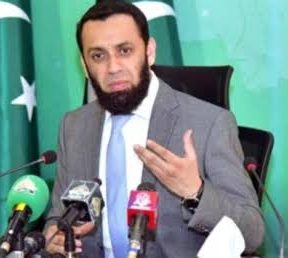
Power Minister Sardar Awais Ahmad Khan Leghari recently indicated that load-shedding during peak hours would continue until supplies resume. The disruption intensified after Qatar declared force majeure on LNG deliveries.
Pakistan is currently in talks with Qatar to secure additional shipments, although uncertainties around shipping routes remain a major concern.
The shortfall has led authorities to increase reliance on furnace oil and postpone maintenance of nuclear plants to sustain electricity generation.
The country is currently experiencing a power deficit of around 3,400 megawatts. LNG-based plants, which typically generate up to 6,000 megawatts, are now producing only about 500 megawatts due to limited gas availability.
Hydropower output has also declined significantly to approximately 1,600 megawatts, reflecting reduced water availability compared to last year. In some regions, load-shedding has extended to six or seven hours daily.
Global uncertainty surrounding energy shipments persists despite a temporary ceasefire linked to tensions involving Iran. Recent developments involving the United States have further heightened risks for tanker traffic in the region.
Officials warned that continued disruption to LNG flows could further strain Pakistan’s energy supply and complicate efforts to maintain stability during peak summer demand.