

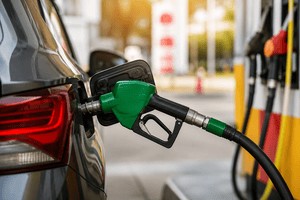
Islamabad: The government has announced a reduction in the prices of petrol and high-speed diesel, providing partial relief to the public. According to a notification issued by the Petroleum Division, the new prices will be applicable from August 4, after which consumers across the country will be able to buy fuel at lower rates.
According to the official notification, the price of petrol has been reduced by Rs 4.8 per litre, while the price of high-speed diesel has been reduced by Rs 2.45 per litre. The recent reduction comes at a time when the government has changed the methodology for reviewing fuel prices in view of the crude oil prices in the global market and the regional situation.
Under the government policy, the prices of petroleum products are now determined on a daily basis. According to this system, the Oil and Gas Regulatory Authority (OGRA) announces new prices daily, while the last-issued prices remain unchanged on Saturdays and Sundays. The aim of this mechanism is to transfer price fluctuations in the global market to the local market relatively quickly.
This recent reduction comes after a slight reduction last week. On July 31, the price of petrol was also reduced by 12 paise per litre and the price of high-speed diesel by 66 paise per litre, while the latest decision has provided relatively more relief to consumers.
According to economic analysts, the reduction in petrol and diesel prices may reduce transport costs to some extent, which may also have positive effects on logistics, commercial activities and the delivery of some essential goods. However, its overall economic impact will depend on global crude oil prices, the value of the rupee and the government’s fuel policy in the coming days.
The government has indicated that it will keep a close eye on fuel prices, while future prices will be determined taking into account global market trends, import costs and local economic factors. This move is being considered an important development for both consumers and business circles, as fuel prices directly affect the country’s economy and daily expenses.