


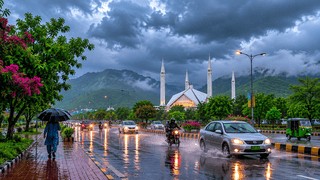
The National Disaster Management Authority (NDMA) has issued an alert in view of the increasing flow of rivers and possible flood situation in different parts of the country and has directed citizens and relevant institutions to take precautionary measures. According to the agency, the water level in several major rivers is likely to rise by August 4, which may lead to flood situation in low-lying areas.
According to the latest report of the NDMA, high-level flooding has been recorded at the Head Gogi location in the Lehri River, while Nala Palkho in Wazirabad is under medium-level flooding. In addition, low-level flooding continues at Kalabagh, Chashma, Guddu and Sukkur Barrage in the Indus River, while low-level flooding is also being seen at the Head Nari location of the Nari River due to high water level.


After the overflow of the Nala Dik in Tehsil Muridke of Sheikhupura district of Punjab, water entered several areas, due to which the district administration, rescue agencies and other relevant departments have intensified relief activities. The process of shifting the victims to safe places, provision of food, clean water and medical facilities is underway in the affected areas.
To assess the situation, National Assembly Standing Committee on Water Resources Chairman Rana Ahmed Atiq Anwar, NDMA Chairman Lieutenant General Inam Haider Malik, Provincial Minister Khawaja Salman Rafique, PDMA Punjab Chairman and Commissioner Lahore visited the affected areas and flood relief camps. The delegation inspected the relief activities while Deputy Commissioner Sheikhupura gave a detailed briefing on the damage caused by the floods and the ongoing measures.
The authorities directed the relevant institutions to provide all basic facilities to the affected families without interruption until they are restored. This includes prioritizing the provision of ready-to-eat food, clean drinking water, medicines, medical aid and other essential items.
The NDMA has advised citizens to avoid unnecessarily going near rivers, streams and flood rails, follow the instructions of the district administration and get the latest information about the weather and floods only from authentic sources. According to experts, timely precautions, effective monitoring and better coordination between institutions can play a significant role in reducing potential losses.
We welcome your contributions to The Pakistan Observer. Submit your blogs, opinion pieces, press releases and news features to our editorial team.
Please send your submissions to our News Desk or Editorial team. We look forward to hearing from writers, journalists and contributors.