

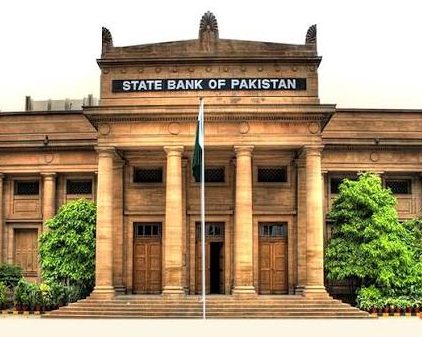
KARACHI: Pakistan’s foreign exchange reserves have reached $21.5 billion, giving the country a stronger cushion against external economic pressures, State Bank of Pakistan (SBP) Governor Jameel Ahmad has told international investors.
Speaking on the sidelines of the IMF-World Bank Annual Meetings in Bangkok, Thailand, Ahmad said Pakistan’s economic conditions had improved through cautious policies and structural reforms. He also highlighted a decline in inflation despite a significant increase in global oil prices.
According to the State Bank, the country’s official foreign exchange reserves stood at $21.5 billion as of October 9, 2026. The reserves had fallen below $3 billion in February 2023, underscoring the scale of the improvement over the intervening period.
During meetings with representatives of major international financial institutions, banks and credit rating agencies, the governor outlined Pakistan’s economic progress and its efforts to maintain stability. The discussions also focused on investor confidence and the continuation of economic reforms.
Jameel Ahmad said inflation had declined from elevated levels in fiscal year 2023 to near the target range in fiscal year 2026. Economic growth also recovered to 3.7% in FY2026 after contracting in FY2023. The central bank projects growth of between 3.5% and 4.5% for FY2027.
The governor also pointed to progress under Pakistan’s programme with the International Monetary Fund (IMF) and improvements in the country’s credit ratings. These developments, he indicated, reflected greater economic resilience and improved external financing conditions.
However, stronger reserves alone do not eliminate Pakistan’s economic vulnerabilities. Higher oil prices can increase the import bill, put pressure on the current account and complicate efforts to control inflation. The sustainability of the recovery will therefore depend on continued policy discipline, structural reforms and the country’s ability to strengthen exports and attract investment.
Pakistan’s immediate challenge is to preserve the gains in economic stability while creating conditions for sustained growth. Maintaining adequate reserves, controlling inflation and reducing dependence on external borrowing will remain important to the country’s longer-term economic outlook.