

Tehran: Iran has sent a clear message to Washington after the US increased economic pressure that it is ready to confront new sanctions. Iranian Economy Minister Ali Madanizadeh has said that the government has prepared a two-year strategy to deal with the current situation.
Ali Madanizadeh told Iranian state media that the US has tried to test Iran’s economic resilience, but Tehran has already prepared to deal with the pressure. According to him, Iran has its own resources and plans to respond to economic pressure.

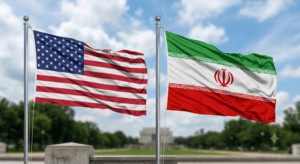
This statement comes at a time when the US has further expanded its sanctions campaign against Iran. The US Treasury Department announced on August 24 the launch of a new campaign called “Operation Economic Outcast”. Washington says its aim is to restrict Iran’s income and global financial ties.
According to US Treasury Secretary Scott Besant, the new campaign will target Iran’s oil, shipping, financial system, aviation, banking and other economic sectors. The US has also warned countries and institutions that maintain business ties with Iran of possible action.
Under the latest measures, the US has imposed sanctions on dozens of individuals, entities and ships. However, Washington has so far refrained from directly targeting some financial institutions in China, Iran’s major trading partner. This situation shows that the US is increasing pressure on Iran while also considering the impact on its relations with major global economies.
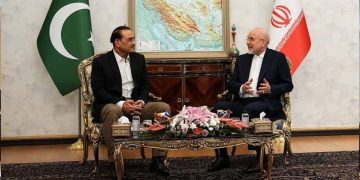
Tehran has responded by saying that Iran’s major trading partners will not necessarily back down in the face of US pressure. Iranian officials have particularly highlighted economic ties with China and Russia as important. Iranian Parliament Speaker Mohammad Baqer Qalibaf also questioned Washington’s economic position, calling the effects of US sanctions and threats limited.
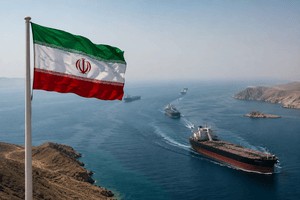
Along with economic tensions, the energy situation in the region is also a cause for concern. Tensions in the Strait of Hormuz and a decrease in shipping have affected global oil shipments. According to recent reports, incidents that have occurred in the Strait of Hormuz during the six-month-long war have increased the risks to global shipping.
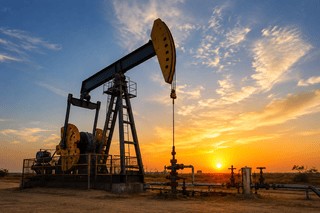
The global energy market is already under pressure. According to Reuters, due to the current conflicts, a large part of the world’s oil supply is coming from areas where there is war or severe geopolitical tension. This situation has increased concerns about supply, shipping costs and global energy prices.
Despite Iran’s tough stance, the effects of economic pressure cannot be ignored. The Iranian economy is already facing severe difficulties due to US sanctions and war, while pressure on the currency, inflation and oil revenues has increased. However, Tehran maintains that it can use alternative economic channels to counter sanctions in the long term.
Thus, the conflict between Washington and Tehran is no longer limited to the military front, but economic and financial pressure has also become a central part of the conflict. The extent to which Iran’s two-year plan proves effective after the new sanctions will depend on the extent to which Tehran is able to maintain its trade links, oil revenues and international financial channels.