


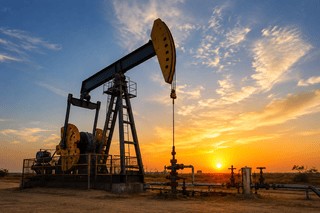
Crude oil prices have risen again in the global market. Brent crude oil reached $94.39 per barrel. US WTI closed at $87.06 per barrel.
According to Reuters, Brent prices rose by 61 cents while WTI rose by 23 cents. Both major benchmarks also recorded significant increases last week. Brent rose by 6.39 percent on a weekly basis and WTI by 5.66 percent.
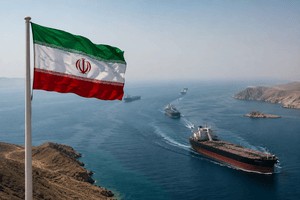

The main reason for the recent rise in prices is the increasing tension between Iran and the United States. US President Donald Trump has threatened to impose economic sanctions on countries trading with Iran. This situation has raised new concerns about global supply.
The Strait of Hormuz has also become a major threat to the market. This route plays a central role in the delivery of energy from the Persian Gulf to the world market. The recent tensions have caused a slowdown in shipping traffic.
However, global oil supplies have not been completely disrupted. Saudi Arabia has increased its exports. Additional supplies from the United Arab Emirates and Venezuela are also supporting the market. US shale production is also helping to limit the impact of a potential shortage.
Nevertheless, investors are keeping a close eye on the situation in the region. If the disruption in the Strait of Hormuz lasts longer, it could put further pressure on global prices. On the other hand, diplomatic progress could also bring prices down again in the market.
This situation is of particular importance for Pakistan. The country meets a large part of its energy needs through imports. As global crude oil prices rise, import bills are likely to rise.
Local petroleum prices are not only affected by the price of crude oil. Global commodity prices, freight, the value of the rupee against the dollar and government revenues are also important factors.
Therefore, the current surge in the global market may put pressure on future petrol and diesel prices in Pakistan. However, the final impact can only be assessed after the continuation of global prices and local calculations.