

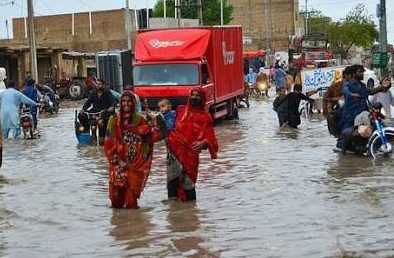
Strong winds, thunderstorms and rain affected civilian life in the twin cities. Rainwater accumulated in underpasses in some areas, including G-6 of Islamabad, causing problems in transportation.
The situation was more serious in Chhatt Bakhtawar, where citizens faced difficulties due to water accumulation in roads and streets. At some places, rainwater also entered houses, due to which the affected families are facing problems.


Power supply was also affected in various areas during the rain. In Rawalpindi, the administration imposed a rain emergency and mobilised WASA staff. Heavy machinery was also sent to the affected areas for drainage.
According to the Meteorological Department, apart from various areas of Islamabad and Punjab, rain is likely to continue in Khyber Pakhtunkhwa, North-East Balochistan, Gilgit-Baltistan and Kashmir. Heavy rain is likely to occur in some areas.
In view of the weather conditions, the risk of flooding in the rain-fed rivers and canals has also been expressed. The relevant agencies have been directed to increase surveillance at sensitive locations and be prepared to deal with emergencies.
Meanwhile, moderate flooding has been recorded at Kalabagh in the Indus River. The inflow of water has been reported to be about 397,000 cusecs.
Low-level flooding has also been reported at Tarbela Dam, Chashma Barrage, Taunsa, Guddu and Sukkur Barrage. According to the Forecasting Division in Lahore, the situation in other rivers of the country is normal.
Citizens have been directed to avoid unnecessary travel during the rain, exercise caution in low-lying areas and avoid going near rain-fed canals. The administration has also intensified the process of monitoring the drainage situation.