

Summary: The federal government has decided to change the method of determining petrol prices, keeping the refinery premium and certain expenses at the level of March 7, 2026. Under the new system, the difference between the actual cost of imported petrol and the refinery price will be deposited in the Petroleum Levy Account, which can be used to provide relief to consumers. However, the petroleum levy of Rs 80 per litre will remain unchanged.
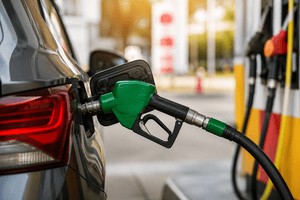
Islamabad: The federal government has introduced a new method for determining petrol prices, under which some expenses for local oil refineries will be maintained at pre-war levels for 30 days. The move is aimed at creating financial space for possible relief in petrol prices.
The Petroleum Division has issued instructions to oil refineries to implement the new procedure, while the Directorate General of Oil has also sent a letter to the Oil and Gas Regulatory Authority (OGRA). The new formula has been approved by the federal cabinet.
According to the decision, the import price of petrol will be determined on the basis of the actual cost of the relevant import cargo of Pakistan State Oil (PSO). If the actual cost is not available at the time of daily pricing, the premium, additional costs and customs duty of the last available cargo can be used as the basis.
In the new system, the ex-refinery price of petrol for local refineries will be calculated on the basis of the premium, additional costs and customs duty effective on March 7, 2026. This arrangement will be initially for the next 30 days.
The key aspect of the government decision is the difference between the import price and the local refinery price. The difference amount will have to be deposited by the refineries in a special account of petroleum levy, which the government will use to provide relief to petrol consumers.
The Petroleum Division has directed the refineries to deposit the amount due as per the OGRA price notification. They will also have to provide details of daily sales of petrol at the local level and proof of payment to the concerned authorities so that the amounts can be verified and accounted for.
The background to this decision is linked to the increase in the import cost of petrol and the cost-related expenses of local refineries after the war between Iran and the US. According to the government’s position, maintaining premiums and other expenses at pre-war levels will create a difference between the prices of local production and the import price, which can be used to provide relief to consumers.
On the other hand, the refinery industry has expressed reservations about the financial impact of the new procedure. According to media reports, some industry representatives say that under this arrangement, local refineries may face an additional financial burden of about Rs 49 per litre. This is likely to impact local refining costs and business activities.
The government has retained the levy on petrol at Rs 80 per litre. However, this amount must be considered separately from the potential relief that refineries will get from the new pricing mechanism.
The actual amount of relief to consumers under the new formula will depend on the difference between the import and ex-refinery prices, the amount deposited in the levy account and the government’s future pricing decisions.
We welcome your contributions to The Pakistan Observer, Submit your blogs, articles, press releases, news story pitches and news features.
Please send your submissions to our News Room or Editorial team.