
Islamabad: The Asian Development Bank has said in its latest report on Pakistan’s economy that the effects of the measures taken for economic stability are emerging; however, energy prices, global conditions and regional tensions will remain major challenges for the economy in the coming period.
According to the Asian Development Outlook for September 2026, Pakistan’s economy grew by 3.7 percent in fiscal year 2026, up from 3.2 percent in the previous fiscal year. The bank has maintained its growth forecast for fiscal year 2027 at 3.7 percent.


According to the report, economic activity was spread across sectors in the last fiscal year. Services and manufacturing improved, while agriculture also showed growth. Despite major crop damage due to floods, the agriculture sector grew by 2.9 percent.
Private investment also supported economic activity. According to the ADB, private investment grew by 8.6 percent in real terms in fiscal year 2026. Lower borrowing costs and improved business confidence are considered to be the main factors behind this increase.
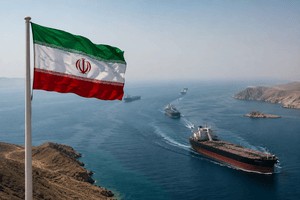
The report said that economic activity remained relatively strong during the first three quarters of the fiscal year, but the effects of Middle East tensions became evident between April and June and affected the pace of economic activity.
The ADB also noted some improvement in Pakistan’s external sector. According to the report, total foreign exchange reserves increased during fiscal year 2026, improving its ability to cope with external pressures.
Pakistan regained access to global capital markets through the issuance of Eurobonds and Panda Bonds in April and May 2026. The country’s sovereign credit rating also improved during the same period, which the ADB described as an important development for investor confidence. (
However, inflation has emerged as a major challenge in the economic scenario. According to the ADB, average inflation in fiscal year 2026 was 7.1 percent, compared to 4.5 percent a year earlier.
The bank has projected average inflation at 8.3 percent for fiscal year 2027. This rate is higher than the State Bank’s medium-term target of 5 to 7 percent. According to the ADB, rising energy, transportation and agricultural costs could keep pressure on prices.
The report also described external conditions as important for Pakistan’s economic direction. If tensions in the Middle East increase, energy import costs could increase. It is feared that the impact of employment in Gulf economies could also affect remittances to Pakistan.
The ADB also included tightening global financial conditions, declining tax collections, agricultural losses due to climate change and delays in energy sector reforms as economic risks. The pace of reforms in government institutions could also affect future performance.
According to the report, the continuation of economic reforms is important for Pakistan. The ADB says that continued reform efforts will be necessary to maintain improved external reserves, access to capital markets, and economic stability
The latest projections show a relatively stable growth outlook for Pakistan’s economy, but inflation, energy costs, and global conditions will remain key factors influencing the pace of growth in the coming fiscal year.
We welcome your contributions to The Pakistan Observer. Submit your blogs, opinion pieces, press releases and news features to our editorial team.
Please send your submissions to our News Desk or Editorial team. We look forward to hearing from writers, journalists and contributors.