

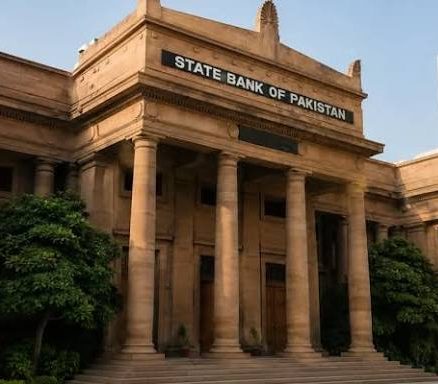
Karachi: After inflation in Pakistan reached double digits again, the decision on interest rate has become important for the State Bank of Pakistan. The central bank has to strike a balance between price pressures and economic activity.
The country’s annual inflation reached 11.1 percent in August 2026. In July, the rate was 9.2 percent. The significant increase in inflation in a month has increased attention on the upcoming monetary policy decision. (


The current policy rate of the State Bank is 11.5 percent. The central bank had increased the interest rate by one percent on April 27. At that time, global energy prices and supply-related risks played an important role in the policy decision.
Now the situation has become more complicated. The increase in global oil prices has also become a threat to Pakistan. Expensive oil increases import costs. This can also affect transport and production costs.
In this situation, the State Bank does not have an easy way out. Raising interest rates can help limit inflationary pressures. However, expensive debt can slow down business and investment.
On the other hand, maintaining interest rates can provide some support to the business sector. But continued high inflation can pose a threat to the central bank.
There are different expectations in banking and financial market circles about the upcoming decision. Some bankers expect the current rate to remain unchanged. Some analysts are predicting a 50 basis point hike.
A recent Tresmark survey found that 20% of institutional traders expected a 50 basis point hike. However, some global financial institutions are likely to see the current rate unchanged.
The global financial environment has also become important for Pakistan. Changes in interest rates and bond markets abroad can affect local financial conditions. In such a situation, the State Bank will have to look at not only domestic inflation but also external risks.
Nevertheless, high interest rates have their costs for Pakistan’s economy. Bank loans remain expensive for businesses. This could affect new investment and private sector activity.
According to the latest data from the State Bank, the central bank’s foreign exchange reserves were $18.328 billion on September 4, 2026, while the country’s total liquid foreign exchange reserves were $23.716 billion.
In the current situation, the real challenge for the central bank is not just setting interest rates but also choosing the right timing for the policy. The resurgence in inflation and global energy risks have increased the importance of the decision.
If price pressures persist, the scope for easing interest rates may be limited. On the other hand, a tight monetary policy for a long time could put pressure on economic growth.
Therefore, the upcoming monetary policy decision will be an important signal for Pakistan’s economy. It will give the market an idea of whether the State Bank is prioritizing inflation or seeing scope for further support to economic activity.
We welcome your contributions to The Pakistan Observer. Submit your blogs, opinion pieces, press releases and news features to our editorial team.
Please send your submissions to our News Desk or Editorial team. We look forward to hearing from writers, journalists and contributors.