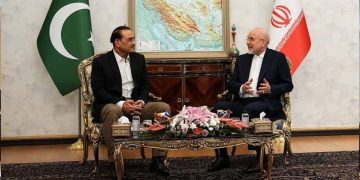


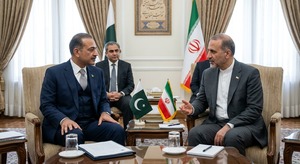
Islamabad: Pakistan’s Chief of Defence Forces Field Marshal Syed Asim Munir has completed a one-day visit to Iran. During the visit, he met with Iranian President Masoud Pezzekian, including top leadership.
According to the Inter Services Public Relations Department of the Pakistan Army, Field Marshal Asim Munir met with Iranian President Masoud Pezzekian, Supreme Leader’s Representative to the Supreme National Security Council Mohsen Rezaei, Speaker of the Iranian Parliament Mohammad Baqir Qalibaf, Foreign Minister Abbas Araqchi and Interior Minister Eskandar Momeni. Interior Minister Mohsen Naqvi also accompanied him in these meetings.


The main focus of the talks was on preventing further tension in the region, reopening the Strait of Hormuz, and possible steps to end the ongoing conflict at an early date. The two sides also discussed ways to pursue negotiations and diplomatic channels for regional peace and conflict resolution.
According to Interior Minister Mohsin Naqvi, the Iranian president presented his country’s position openly during the meeting. According to him, the talks between the two sides were constructive, and important issues were discussed in detail. He described the progress made in the talks as “significant”.
The Iranian leadership also appreciated Pakistan’s role. According to the ISPR, Tehran praised Islamabad’s constructive and sincere efforts to facilitate the talks, reduce tensions, and peacefully resolve the conflict.
Iran’s position on the previous understanding with the United States also came to the fore in the meetings. Iranian officials told Pakistan that Tehran was committed to implementing the Islamabad Memorandum of Understanding and considered American measures necessary accordingly. The Iranian leadership also expressed distrust in Washington’s behaviour.
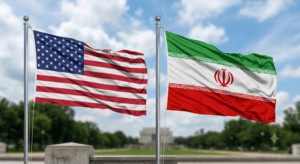
Field Marshal Asim Munir’s visit comes at a time when tensions between the US and Iran are high and the situation in the Strait of Hormuz is the center of global attention. The US has announced new sanctions to increase economic pressure on Iran, while Tehran has signalled a strong response to these measures.
In this context, Pakistan has intensified its efforts to reduce tensions and re-pave the way for negotiations through diplomatic contacts. Field Marshal Asim Munir also spoke to US President Donald Trump before his visit to Iran. According to Reuters, Trump had expressed his desire to use his influence to bring Pakistan and Iran back to talks.
The restoration of the Strait of Hormuz is also important for Pakistan because it is a key route for global energy transport. Prolonged tensions in the region are likely to put further pressure on oil supplies, shipping and the global economy.
After the fresh contacts between Pakistan and Iran, the next phase of diplomatic efforts will be important. Oman is also in touch with Tehran to continue negotiations regarding the Strait of Hormuz. In this situation, Islamabad is trying to reduce tension through direct or indirect negotiations between the parties and pave the way for lasting peace in the region.
Field Marshal Asim Munir and Interior Minister Mohsin Naqvi’s visit to Iran has concluded. However, the results of the negotiations and the practical progress in the situation in the Strait of Hormuz are likely to be clear in the coming days.