

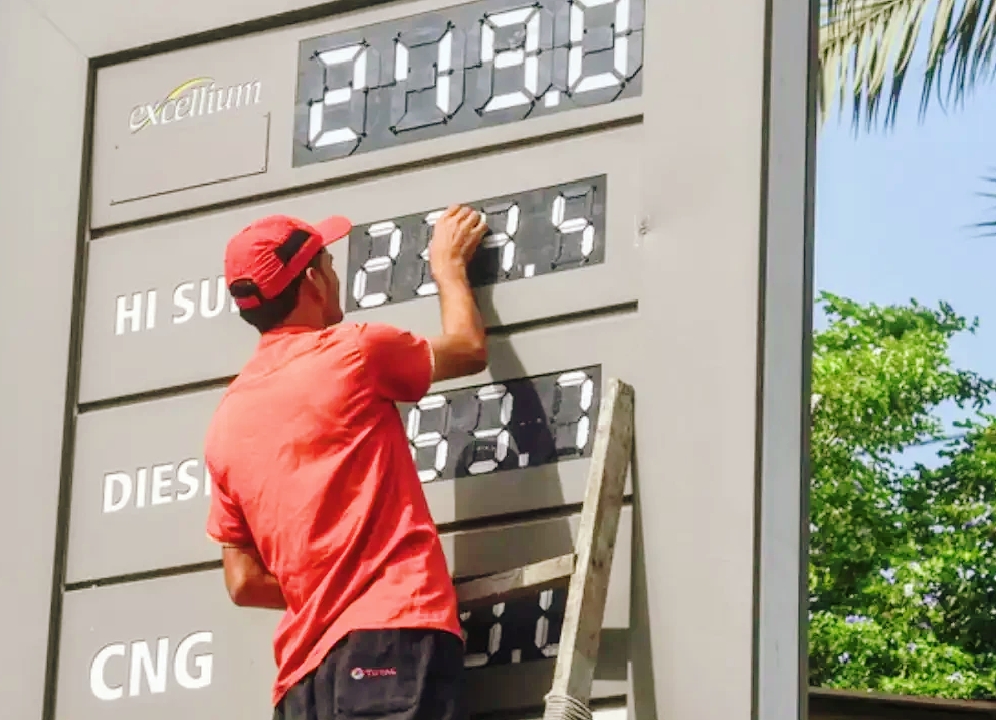
ISLAMABAD: Pakistan’s downstream petroleum industry has expressed serious concerns over the federal government’s recent decision to significantly reduce fuel prices, warning that the move could result in financial losses of over Rs105 billion to oil marketing companies (OMCs) and refineries.
Industry stakeholders argue that the latest reduction in petroleum prices has been implemented through changes in the pricing methodology that have created uncertainty for investors and operators who are already facing a challenging business environment. Representatives of the sector say that repeated revisions in price calculations over the past few months have undermined predictability in the market.


According to industry officials, the government has changed the benchmark for determining petroleum prices several times in recent months in response to changing international market conditions. They claim that each adjustment has changed the business outlook for companies responsible for maintaining strategic fuel inventories and ensuring uninterrupted supply across the country.
The Oil Companies Advisory Council (OCAC), which represents refineries and OMCs, has formally conveyed its concerns to the government. The council has called for immediate engagement with policymakers, stressing the need for transparency and consultation in decisions that directly affect the energy supply chain.
Industry estimates suggest that the latest drop in fuel prices has significantly reduced the value of petroleum stocks held by companies. Officials say the resulting losses are expected to impact working capital, liquidity and investment capacity across the sector.
The industry also warned that smaller market participants could face severe financial pressures if the sudden policy interventions continue. Stakeholders noted that Pakistan’s petroleum sector has already witnessed the departure of several major international players in recent years, raising concerns about the overall investment climate.
OCAC officials stressed that the industry has consistently supported government efforts to maintain energy security, ensure fuel availability and reduce supply disruptions. They argue that petroleum companies have continued to shoulder additional financial burdens in the national interest, even during market volatility.
Analysts say the dispute highlights the difficult balance between providing relief to consumers and ensuring the financial stability of companies responsible for importing, storing, refining and distributing fuel. While lower fuel prices provide immediate benefits to consumers and businesses, industry representatives insist that regulatory consistency is essential for the long-term stability of the energy sector.
The petroleum sector has also warned that continued uncertainty could discourage future investments in storage infrastructure, logistics networks and refinery upgrades. Such investments are seen as crucial to strengthening Pakistan’s energy security and reducing risks in the supply chain.
Industry representatives are now seeking a structured dialogue with the government to address their concerns and establish a more predictable framework for pricing. They maintain that sustainable policy measures protect consumers while also ensuring the viability of companies operating in the downstream petroleum sector.
The government is yet to issue a detailed response to the industry’s latest objections, but discussions on fuel pricing policy are expected to remain a key issue in the coming weeks.