

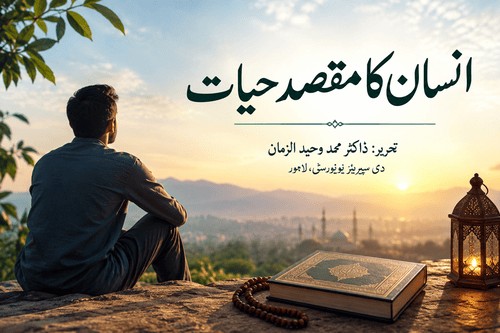
انسان کا مقصدِ حیات
انسان کا اس دنیا میں کام محض کھانا، پینا اور سو جانا ہے؟ کیا اس قدر عظیم اور عالی جان مخلوق، جسے اللہ تعالیٰ نے زمین پر اپنا نائب ہونے کا شرف عطا فرمایا، اس کا مقصد صرف یہی ہے؟
مولانا الطاف حسین حالی نے اسی حقیقت کی طرف اشارہ کرتے ہوئے کہا تھا کہ اگر انسان صرف کھاتا ہے، روزگار کی تلاش میں رہتا ہے اور پھر سو جاتا ہے تو یہ صفات اور ضروریات تو جانوروں میں بھی پائی جاتی ہیں۔ اگر انسان کی زندگی صرف کھانے، پینے اور سونے تک محدود ہو تو پھر اسے عطا کیے گئے اس بلند منصب کا مقصد کیا رہ جاتا ہے؟


انسانی تاریخ کا ایک سوال ایسا ہے جسے سب سے قدیم بھی کہا جا سکتا ہے اور سب سے بنیادی بھی۔ وہ سوال ہے: میں یہاں کیوں ہوں؟ ماضی میں فلسفی ہو، مورخ ہو یا مذہبی رہنما، ہر دور میں انسان اس سوال پر غور کرتا رہا ہے۔
اسلام نے اس سوال کا جواب نہایت واضح انداز میں دیا ہے۔ قرآن مجید نے انسانی زندگی کے مقصد کو مبہم نہیں چھوڑا بلکہ انسان کی تخلیق، اس کی ذمہ داری اور اس کی آخری منزل کے بارے میں رہنمائی فراہم کی ہے۔
اس موضوع کو چار مختلف پہلوؤں سے سمجھا جا سکتا ہے: قرآن کی روشنی میں، احادیث کی روشنی میں، صوفیا کی تعلیمات کی روشنی میں اور جدید علوم کے تناظر میں۔
قرآن کی روشنی میں مقصدِ حیات
قرآن مجید نے انسان کے دنیا میں آنے کے مقصد کو واضح الفاظ میں بیان کیا ہے۔ سورۃ الذاریات میں اللہ تعالیٰ فرماتا ہے:
ترجمہ: “اور میں نے جن و انس کو صرف اسی لیے پیدا کیا ہے کہ وہ میری عبادت کریں۔”
(سورۃ الذاریات، 51:56)
اس آیت میں عبادت کا مفہوم صرف نماز، روزہ اور دیگر رسمی عبادات تک محدود نہیں۔ اسلام میں عبادت کا دائرہ انسان کی پوری زندگی کو محیط ہے۔ انسان کا قول، عمل، نیت، روزگار، گھر کے معاملات اور دوسروں کے ساتھ برتاؤ بھی عبادت بن سکتے ہیں، بشرطیکہ وہ اللہ تعالیٰ کی رضا اور اس کی مقرر کردہ حدود کے مطابق ہوں۔
ایک شخص اگر حلال روزگار کے لیے محنت کرتا ہے، اپنے خاندان کی ذمہ داری پوری کرتا ہے، لوگوں کے ساتھ دیانت داری سے پیش آتا ہے اور اپنے کام میں اللہ کی رضا کو پیش نظر رکھتا ہے تو اس کی روزمرہ زندگی بھی عبادت کا حصہ بن سکتی ہے۔
اسی تصور کو سورۃ الملک میں زندگی اور موت کے مقصد سے جوڑتے ہوئے فرمایا گیا:
ترجمہ: “جس نے موت اور زندگی کو پیدا کیا تاکہ تمہیں آزمائے کہ تم میں سے کون عمل کے اعتبار سے بہتر ہے۔”
(سورۃ الملک، 67:2)
اس آیت سے واضح ہوتا ہے کہ زندگی کا مقصد صرف زندہ رہنا نہیں بلکہ اچھے اور بہتر اعمال کے ذریعے اس آزمائش میں کامیاب ہونا ہے۔
قرآن مجید انسان کو زمین پر ذمہ داری کا احساس بھی دلاتا ہے۔ سورۃ البقرہ میں ارشاد ہے:
ترجمہ: “اور جب تیرے رب نے فرشتوں سے کہا کہ میں زمین میں ایک خلیفہ بنانے والا ہوں۔”
(سورۃ البقرہ، 2:30)
اس آیت سے انسان کی زمین پر ذمہ داری کا تصور سامنے آتا ہے۔ اس ذمہ داری میں اصلاح، عدل، امانت اور زمین کی تعمیر و بہتری جیسے پہلو شامل ہیں۔ یوں انسان کی زندگی صرف ذاتی عبادت تک محدود نہیں رہتی بلکہ معاشرے کے ساتھ اس کی ذمہ داری بھی اس کا حصہ بن جاتی ہے۔
سورۃ الانعام میں مقصدِ حیات کو ایک جامع انداز میں بیان کیا گیا:
ترجمہ: “فرما دیجیے کہ بے شک میری نماز، میری قربانی، میرا جینا اور میرا مرنا سب اللہ ہی کے لیے ہے جو تمام جہانوں کا رب ہے۔”
(سورۃ الانعام، 6:162)
یہ آیت مقصدِ حیات کے تصور کو بہت جامع بنا دیتی ہے۔ انسان کی عبادت کے ساتھ اس کی پوری زندگی بھی اللہ تعالیٰ کی رضا کے تابع ہونی چاہیے۔
احادیثِ مبارکہ اور زندگی کا مقصد
نبی کریم ﷺ نے بھی انسانی زندگی کی حقیقت اور اس کی ترجیحات کو مختلف مواقع پر واضح فرمایا۔ ایک معروف حدیث میں دنیا میں انسان کی حیثیت کو ایک مسافر سے تشبیہ دی گئی:
ترجمہ: “دنیا میں اس طرح رہو جیسے تم اجنبی ہو یا راستہ چلنے والے مسافر ہو۔”
(صحیح البخاری، کتاب الرقاق، حدیث 6416)
اس حدیث میں دنیا کی عارضی حیثیت کی طرف توجہ دلائی گئی ہے۔ انسان دنیا میں مستقل قیام کے لیے نہیں آیا بلکہ اسے ایک محدود مدت دی گئی ہے۔ اس لیے زندگی کے وقت کو سوچ سمجھ کر استعمال کرنا اس کی بنیادی ذمہ داری ہے۔
ایک دوسری حدیث میں انسان سے اس کی زندگی اور اس کے اعمال کے بارے میں سوال کیے جانے کا ذکر ہے:
ترجمہ: “قیامت کے دن بندے کے قدم اس وقت تک نہیں ہٹیں گے جب تک اس سے اس کی عمر کے بارے میں نہ پوچھ لیا جائے کہ اس نے اسے کہاں صرف کیا۔”
(جامع الترمذی، حدیث 2417)
اسی حدیث میں انسان کے علم اور مال سے متعلق ذمہ داریوں کا بھی ذکر آتا ہے۔ اس سے معلوم ہوتا ہے کہ انسان کو اپنی عمر، علم، مال اور جسم سمیت اللہ تعالیٰ کی عطا کردہ نعمتوں کے استعمال کے بارے میں جواب دہ ہونا ہے۔
اس زاویے سے دیکھا جائے تو مقصدِ حیات صرف کامیاب زندگی گزارنے کا نام نہیں بلکہ یہ سمجھنا بھی ہے کہ ہمیں جو وقت، صلاحیت، علم اور وسائل ملے ہیں، ہم نے انہیں کس مقصد کے لیے استعمال کیا۔
مولانا جلال الدین رومی اور روح کی تلاش
مولانا جلال الدین رومی نے اپنی معروف کتاب مثنوی معنوی کے آغاز ہی میں انسان کی روح اور اس کی اصل کے تعلق کو ایک خوبصورت تمثیل کے ذریعے بیان کیا۔ وہ بانسری کی مثال دیتے ہیں جو اپنے نیستان سے جدا ہونے کے بعد جدائی کا شکوہ کرتی ہے:
از جداییها شکایت میکند
مفہوم: “نَے سے سنو کہ وہ کیا داستان بیان کرتی ہے، وہ جدائیوں کا شکوہ کرتی ہے۔”
مولانا رومی کی اس تمثیل میں بانسری انسان کی روح کی علامت بن جاتی ہے۔ وہ انسان کو یہ احساس دلاتے ہیں کہ مادی زندگی کی مصروفیات کے باوجود انسان کے اندر ایک ایسی طلب موجود رہتی ہے جو اسے اپنی اصل کی طرف متوجہ کرتی ہے۔
اس تعلیم کا ایک اہم پہلو یہ ہے کہ انسان صرف جسمانی ضروریات کا مجموعہ نہیں۔ اس کی شخصیت میں روحانی اور اخلاقی ضرورتیں بھی شامل ہیں۔ جب انسان ان پہلوؤں کو نظر انداز کرتا ہے تو زندگی کی ظاہری کامیابی کے باوجود اندرونی خلا باقی رہ سکتا ہے۔
شیخ سعدی اور انسانوں کی خدمت
شیخ سعدی شیرازی نے اپنی معروف کتاب گلستان میں انسانی تعلق اور دوسروں کی خدمت کو نہایت خوبصورت انداز میں بیان کیا۔ ان کے مشہور اشعار ہیں:
که در آفرینش ز یک گوهرند
مفہوم: “بنی آدم ایک ہی جسم کے اعضا کی مانند ہیں، کیونکہ ان کی تخلیق ایک ہی جوہر سے ہوئی ہے۔”
اس تصور سے یہ سبق ملتا ہے کہ انسان کی زندگی صرف ذاتی مفاد یا ذاتی نجات تک محدود نہیں۔ دوسروں کے دکھ کو سمجھنا، ضرورت مند کی مدد کرنا اور لوگوں کے لیے آسانی پیدا کرنا بھی ایک بامقصد زندگی کا حصہ ہے۔
اگر انسان اپنی کامیابی کو صرف اپنی ذات تک محدود کر لے تو اس کی زندگی کا دائرہ بہت چھوٹا رہ جاتا ہے۔ اس کے برعکس دوسروں کے لیے فائدہ مند بننے والا شخص اپنی زندگی کے اثرات کو وسیع کر دیتا ہے۔
مولانا رومی کی حکایت اور وقت کی قدر
مولانا رومی کی ایک حکایت انسانی زندگی کی قدر اور وقت کی حقیقت کو سمجھنے میں مدد دیتی ہے۔ حکایت میں ایک شخص کو ایک انتہائی قیمتی پتھر ملتا ہے۔ وہ اس کی قیمت جاننے کے لیے پہلے سنار کے پاس جاتا ہے۔
سنار پتھر کو دیکھ کر کہتا ہے کہ یہ اتنا قیمتی ہے کہ پورا بازار بھی فروخت کر دیا جائے تو اس کی حقیقی قیمت پوری نہیں ہوسکتی۔ وہ شخص اسے بادشاہ کے پاس لے جانے کا مشورہ دیتا ہے۔
جب وہ شخص بادشاہ کے پاس پہنچتا ہے تو بادشاہ اسے بتاتا ہے کہ اس پتھر کی قیمت ایک دن کے لیے محل کی بادشاہت ہے۔ اسے صبح سے شام تک محل میں رہنے اور وہاں موجود سہولتوں سے فائدہ اٹھانے کی اجازت مل جاتی ہے۔
وہ شخص اس موقع سے بے حد خوش ہوتا ہے۔ وہ بہترین لباس پہنتا ہے، قیمتی زیورات استعمال کرتا ہے اور طرح طرح کے کھانے کھاتا ہے۔ زیادہ کھانے کے بعد اسے نیند آنے لگتی ہے۔ وہ ایک آرام دہ بستر پر لیٹ جاتا ہے اور سو جاتا ہے۔
کچھ دیر بعد خادم اسے جگاتے ہیں اور بتاتے ہیں کہ اس کا مقررہ وقت ختم ہونے والا ہے۔ وہ گھبرا کر اٹھتا ہے، مگر اس کے پاس اب وقت بہت کم رہ گیا ہوتا ہے۔ آخرکار اسے محل سے باہر نکال دیا جاتا ہے اور وہ خالی ہاتھ واپس چلا جاتا ہے۔
اس حکایت کا سبق بہت واضح ہے۔ قیمتی پتھر انسانی زندگی کی علامت ہے اور محل دنیا کی۔ انسان کو ایک محدود مدت کے لیے یہ دنیا عطا ہوئی ہے۔ وہ چاہے تو اس وقت کو صرف آسائش، تفریح اور خواہشات میں گزار دے یا اسے ایسے کاموں میں استعمال کرے جو اس کی دنیا اور آخرت دونوں کے لیے فائدہ مند ہوں۔
زندگی کا سب سے اہم پہلو یہی ہے کہ اس کا اختتام کب ہوگا، کسی کو معلوم نہیں۔ انسان کو اپنی عمر کی مدت کا علم نہیں، اس لیے جو وقت اسے ملا ہے اسے ضائع کرنے کے بجائے بامقصد بنانا چاہیے۔
نیکی، علم، خدمت، دیانت، عدل اور دوسروں کے لیے آسانی پیدا کرنا ایسے اعمال ہیں جن کے اثرات انسان کی زندگی کے بعد بھی باقی رہ سکتے ہیں۔ وقت گزرنے کے بعد انسان کو صرف یہ احساس نہیں ہونا چاہیے کہ زندگی گزر گئی، بلکہ یہ اطمینان بھی ہونا چاہیے کہ جو وقت ملا تھا اسے کسی بہتر مقصد کے لیے استعمال کیا۔
انسان کا مقصدِ حیات شاید اسی ایک حقیقت میں سمٹ جاتا ہے کہ وہ اپنے خالق کو پہچانے، اپنی ذمہ داری سمجھے، اپنے وقت کی قدر کرے اور اپنی زندگی کو صرف اپنی ذات تک محدود نہ رکھے۔ عبادت، اچھا عمل، علم، اخلاق اور انسانوں کی خدمت ایک ایسی زندگی کی بنیاد بن سکتے ہیں جو دنیا میں بھی معنی رکھتی ہو اور آخرت کے لیے بھی تیاری بن جائے۔
The Purpose of Human Life
Is the purpose of human life in this world simply to eat, drink and sleep? Can a creation as noble and significant as the human being, whom Allah has honoured with the responsibility of being His vicegerent on earth, really have no greater purpose?
Maulana Altaf Hussain Hali pointed towards this reality by observing that if a person only eats, spends his days searching for a livelihood and then goes to sleep, these needs and habits are also found among animals. If human life is limited to eating, drinking and sleeping, then what meaning remains in the elevated position granted to human beings?
There is a question in human history that can be described as both one of the oldest and one of the most fundamental questions: Why am I here? Philosophers, historians and religious thinkers throughout history have reflected upon this question.
Islam provides a clear answer to this question. The Holy Quran does not leave the purpose of human existence vague. It explains human creation, responsibility and ultimate destination and provides guidance about how life should be lived.
The subject can be understood from four different perspectives: the Quran, the teachings of the Prophet Muhammad ﷺ, the insights of the Sufi tradition and the perspective of modern knowledge.
The Purpose of Life in the Light of the Quran
The Holy Quran clearly explains the purpose behind human existence. In Surah Al-Dhariyat, Allah says:
(Surah Al-Dhariyat, 51:56)
The meaning of worship in this verse is not restricted to formal acts such as prayer and fasting. In Islam, worship can encompass a person’s entire life. Words, actions, intentions, work, family responsibilities and dealings with others can all become acts of worship when they are carried out within the limits set by Allah and with the intention of seeking His pleasure.
A person who works honestly to earn a lawful livelihood, fulfils family responsibilities, treats people fairly and keeps the pleasure of Allah in mind can turn ordinary daily activities into meaningful acts of worship.
The Quran connects life and death with the quality of human action. Surah Al-Mulk states:
(Surah Al-Mulk, 67:2)
This verse shows that the purpose of life is not merely to exist. Human beings are given an opportunity to demonstrate the quality of their actions and conduct.
The Quran also highlights the responsibility entrusted to human beings on earth. In Surah Al-Baqarah, Allah says:
(Surah Al-Baqarah, 2:30)
This verse points towards the responsibility of human beings on earth. That responsibility includes justice, trust, reform and constructive contribution. Human purpose therefore extends beyond personal worship to responsibilities towards society and the world around us.
Surah Al-An’am presents another comprehensive expression of this purpose:
(Surah Al-An’am, 6:162)
This verse gives a comprehensive understanding of the purpose of life. Worship and everyday life should both remain connected to the pleasure and guidance of Allah.
The Prophetic Teachings and the Purpose of Life
The Prophet Muhammad ﷺ explained the nature of human life and its priorities on many occasions. In a well-known hadith, he described the human position in this world in the following words:
(Sahih al-Bukhari, Book of Riqaq, Hadith 6416)
The hadith reminds us that worldly life is temporary. A human being is not here permanently but has been given a limited period of time. Using that time wisely is therefore one of the central responsibilities of life.
Another hadith highlights the accountability of a person for his or her life and actions:
(Jami’ al-Tirmidhi, Hadith 2417)
The same tradition also refers to accountability concerning knowledge and wealth. This reminds us that the time, knowledge, resources and abilities given to us are responsibilities as well as blessings.
From this perspective, the purpose of life is not simply to achieve worldly success. It is also to understand how we used the time, knowledge, abilities and resources entrusted to us.
Rumi and the Search of the Soul
Maulana Jalaluddin Rumi begins his famous work Masnavi Manavi with a beautiful reflection on the human soul and its relationship with its source. He uses the image of a reed flute separated from its reed bed:
it complains of separations.”
In Rumi’s metaphor, the reed becomes a symbol of the human soul. Despite the demands and distractions of material life, a human being continues to carry an inner longing that turns the heart towards its spiritual origin.
One important lesson in this teaching is that a human being is not merely a collection of physical needs. Human life also contains spiritual and moral dimensions. When these dimensions are ignored, outward success may still leave a person with a sense of inner emptiness.
Saadi and Service to Humanity
Sheikh Saadi Shirazi beautifully described human relationships and the importance of serving others in his famous work Gulistan. His well-known verses say:
created from the same essence.”
The lesson is that human purpose cannot be limited to personal benefit or individual salvation. Understanding the suffering of others, helping those in need and making life easier for people are also important elements of a meaningful life.
When a person limits success to personal achievement, the impact of that life remains narrow. A person who becomes useful to others expands the positive influence of his or her life.
Rumi’s Story and the Value of Time
A story attributed to Maulana Rumi offers a powerful lesson about the value of human life and the limited nature of time. In the story, a man finds an extremely precious stone. He takes it to a jeweller to discover its value.
After examining the stone, the jeweller tells him that it is so valuable that even the entire market could not match its worth. He advises the man to take it to the king.
When the man reaches the king, he is told that the price of the stone is one full day in the royal palace. He is allowed to enter the palace in the morning and enjoy its facilities until evening.
The man is delighted. He wears the finest clothes, enjoys expensive jewellery and eats a variety of food. After eating too much, he becomes sleepy. He lies down on a comfortable bed and falls asleep.
After some time, servants wake him and tell him that his allotted time is nearly over. He becomes anxious, but very little time remains. Eventually, he is removed from the palace and returns empty-handed.
The lesson of the story is simple. The precious stone represents human life, while the palace represents the world. Human beings have been given this world for a limited period. They can either spend that time in comfort, entertainment and temporary desires or use it for actions that benefit both this life and the life to come.
One of the most important realities of life is that nobody knows exactly when it will end. We do not know how much time remains. Therefore, the time we have should be used with purpose rather than wasted.
Good deeds, knowledge, service, honesty, justice and making life easier for others are actions whose effects can continue beyond a person’s lifetime. When life comes to an end, a person should not be left only with the feeling that time has passed. There should also be the satisfaction that the time given was used for something meaningful.
The purpose of human life may ultimately be understood through this simple truth: a person should know his or her Creator, understand responsibilities, value time and avoid limiting life to personal interests alone. Worship, good action, knowledge, character and service to humanity can form the foundation of a life that has meaning in this world and prepares a person for the hereafter.
We welcome your contributions to The Pakistan Observer. Submit your blogs, opinion pieces, press releases and news features to our editorial team.
Please send your submissions to our News Desk or Editorial team. We look forward to hearing from writers, journalists and contributors.