

Pakistan stands at a defining moment. While headline inflation has eased from its recent peaks, the cumulative rise in the prices of food, electricity, fuel, healthcare and education continues to erode the purchasing power of ordinary households. For millions of Pakistanis, economic recovery remains an abstract statistic rather than a lived reality. The widening gulf between an entrenched elite and the struggling majority has evolved into a structural challenge that demands urgent policy attention.
This reality raises an uncomfortable question: why does fiscal adjustment repeatedly fall upon those least able to bear it while many state-sponsored privileges enjoyed by influential segments of society remain largely untouched?
Across the country, millions survive on incomes that make even a modest standard of living unattainable. A daily wage labourer often earns only Rs 1,200 to Rs 1,500 when work is available. Drivers entrusted with the safety of families and security guards protecting valuable assets frequently receive monthly salaries of merely Rs 20,000 to Rs 25,000. Even private college lecturers, despite possessing advanced qualifications and preparing the nation’s future workforce, often receive little more.
Equally troubling is the plight of lower-rank retired armed forces personnel who devoted the prime years of their lives to safeguarding the country, yet struggle to survive on pensions ranging between Rs 25,000 and Rs 35,000. In today’s economy, a single electricity bill, essential medicines or a routine grocery purchase can consume a substantial portion of their monthly income.
Every month, countless families are forced to choose between paying school fees, purchasing medicines, meeting utility bills or simply putting adequate food on the table. Such choices are not merely personal hardships; they reflect deeper structural weaknesses within the country’s economic priorities.
Meanwhile, ordinary citizens are repeatedly urged to endure the hardships of economic stabilisation while many within the political, bureaucratic, judicial and corporate elite remain comparatively insulated from its harshest consequences. Fiscal constraints are frequently cited to justify limited pension increases, shrinking employment opportunities and reduced public welfare, yet substantial public resources continue to finance official residences, luxury transport, subsidised utilities and generous allowances attached to high public office.
This is no longer merely an inequality of income; it has become an inequality of sacrifice. Inflation, indirect taxation and repeated adjustment measures weigh disproportionately upon low- and middle-income households, while significant economic privileges remain concentrated among a relatively small segment of society. Such disparities weaken public trust, reinforce perceptions of injustice and undermine confidence in public institutions.
If Pakistan genuinely seeks lasting prosperity rather than temporary fiscal relief, its reform agenda must begin where the burden is lightest to bear. Sustainable economic recovery cannot be achieved by repeatedly reducing employment opportunities, limiting pensions and placing additional financial pressure on those already struggling to survive. Instead, the state must undertake the difficult but necessary task of rationalising excessive official privileges, subsidies and concessions that disproportionately benefit the most privileged segments of society. Fiscal responsibility will earn public confidence only when sacrifice is shared fairly rather than imposed primarily upon the weakest.
Three reforms deserve urgent national attention. First, minimum wage laws must be enforced through transparent digital monitoring, regular labour inspections and meaningful penalties for persistent violations. Second, pensions of lower-rank civilian and military retirees should be indexed to inflation so that years of public service are not steadily eroded by rising prices. Finally, Pakistan’s tax system requires meaningful rebalancing. Excessive reliance on indirect taxation places the heaviest burden on ordinary citizens, whereas a broader direct tax base encompassing luxury consumption, high-value real estate and undertaxed sectors would distribute the responsibility for national development more equitably.
History demonstrates that nations prosper when economic opportunity is broadly shared and the burdens of reform are distributed fairly. Pakistan’s labourers, teachers, drivers, pensioners and soldiers are not a burden on the state; they are the foundation upon which it stands. Their dignity should not depend upon charity but upon policies that reward honest work, protect public service and ensure that national progress benefits all citizens rather than a privileged few.
The true measure of Pakistan’s economic success will not be the privileges it preserves, but the lives it improves. Until the forgotten majority becomes the foremost priority of public policy, genuine and lasting prosperity will remain beyond our reach.
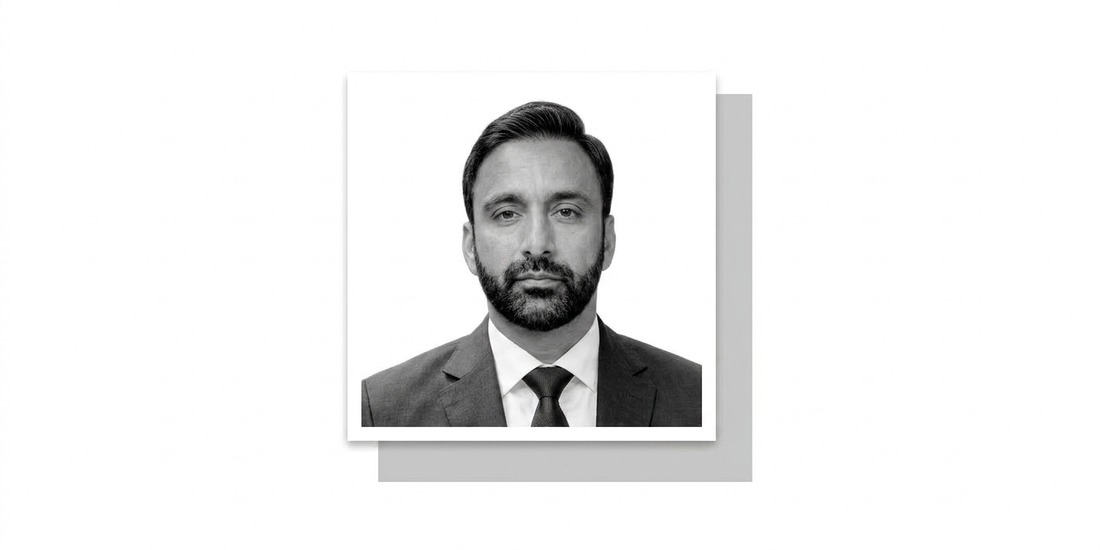
Mr Ghulam Mujtaba is a freelance writer and commentator with an interest in Pakistan’s economic, social and public policy issues. His writings examine governance, economic inequality, institutional reform and challenges facing ordinary citizens.
We welcome your contributions to The Pakistan Observer, Submit your blogs, articles, press releases, news story pitches and news features.
Please send your submissions to our News Room or Editorial team.