

Rising living costs are making education, healthcare, and housing increasingly unaffordable for ordinary citizens
Pakistan today is not only facing an economic crisis but also an affordability crisis that is slowly eroding the middle class and pushing more people below the poverty line. The rising cost of living has made it increasingly difficult for ordinary citizens to maintain even a basic standard of living. Inflation is no longer just an economic indicator; it has become a daily reality affecting food, education, healthcare, transport, and housing.
Over the past few years, prices of essential commodities have increased significantly. Wheat flour, sugar, cooking oil, electricity, gas, and fuel prices have all risen, while salaries and wages have not increased at the same pace. As a result, many families that once lived comfortably are now struggling to manage their monthly expenses. The middle class, which is considered the backbone of any stable society, is shrinking rapidly.
One of the most worrying aspects of this affordability crisis is the rising cost of education. Quality education is increasingly becoming accessible only to the upper class, while middle- and lower-income families are forced to compromise on their children’s education. Private school fees, university tuition, transport, books, and digital learning resources have become very expensive. If education becomes unaffordable, social mobility will decline, and inequality will increase.
Healthcare is another sector where affordability has become a major issue. Government hospitals are overcrowded and under-resourced, while private hospitals are too expensive for ordinary citizens. Medicines, diagnostic tests, and doctor consultation fees have become a heavy financial burden. Many people delay medical treatment due to a lack of money, which often results in serious health complications.
Housing and rent are also becoming unaffordable in major cities. Property prices and rents have increased so much that owning a house is now a distant dream for many young professionals and salaried individuals. Even paying monthly rent consumes a large portion of household income.
This affordability crisis is caused by multiple factors, including inflation, currency depreciation, high taxation, energy prices, and slow economic growth. However, the real burden is borne by the common citizen, who has very limited resources to absorb these economic shocks.
To address this crisis, the government must focus on improving public services so that citizens are not forced to rely on expensive private education and healthcare. Price-control mechanisms must be strengthened to prevent artificial inflation and hoarding of essential commodities. Public transport systems should be improved to reduce transportation costs for daily commuters. Affordable housing schemes must be expanded for middle- and low-income groups.
More importantly, long-term economic stability is essential. Without controlling inflation, increasing employment opportunities, and improving wages, the affordability crisis will continue to worsen. Economic policies must focus not only on macroeconomic indicators but also on the daily economic realities faced by ordinary citizens.
If the cost of living continues to rise while incomes remain stagnant, the gap between the rich and the poor will continue to widen. A society where the middle class disappears cannot remain economically stable or socially peaceful.
Pakistan’s real challenge today is not only economic growth but also economic affordability. Unless policies are designed to make life affordable for ordinary citizens, economic growth figures alone will not improve the lives of the people.
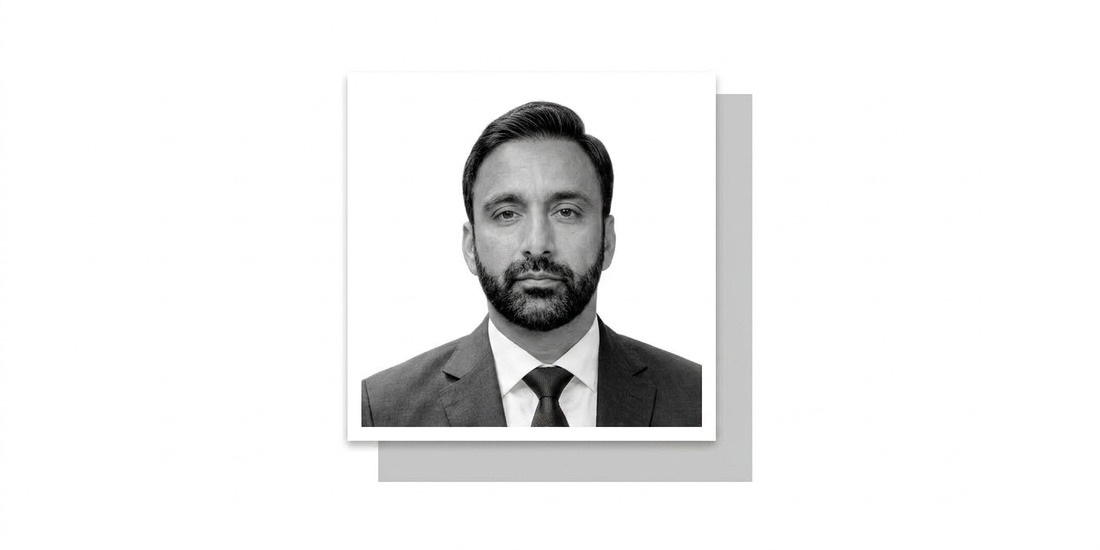
The writer can be reached at mujtabanodeel@gmail.com.
We welcome your contributions to The Pakistan Observer. Submit your blogs, opinion pieces, press releases and news features to our editorial team.
Please send your submissions to our News Desk or Editorial team. We look forward to hearing from writers, journalists and contributors.