

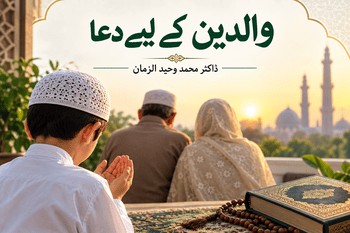
والدین کے لیے دعا
(سورۃ الإسراء، آیت 23)
قرآن مجید میں اللہ تعالیٰ نے ایک دعا بیان فرمائی ہے۔ اس دعا کو پڑھتے ہی انسان کو اس کا مقصد واضح ہو جاتا ہے، یعنی والدین کے ساتھ حسن سلوک کرنے کے بعد ان کے حق میں دعا کس طرح کرنی ہے۔ اس دعا کو غور سے دیکھیں تو اس میں تین سے چار چیزوں کو بہت ہی خوبصورتی کے ساتھ بیان فرمایا گیا ہے۔ پہلے ترجمہ دیکھتے ہیں۔
ارشاد باری تعالیٰ ہے:
والدین کی خدمت ہی عبادت ہے
یہاں پہلی بات جو نوٹ کرنے والی ہے وہ یہ ہے کہ جیسے ہی پروردگار عالم نے اپنی عبادت کا ذکر فرمایا، اُسی کے ساتھ والدین کے ساتھ حسن سلوک کا ارشاد فرمایا۔ یعنی اصل عبادت تسلسل کا نام ہے، اللہ کی عبادت کرنا اور والدین کے ساتھ حسن سلوک کرنا بھی عبادت کا حصہ ہے، یہ الگ سے کوئی چیز نہیں۔
“حضرت عبداللہ بن عمر رضی اللہ تعالیٰ عنہما سے روایت ہے، حضور اقدس صلی اللہ تعالیٰ علیہ وآلہ وسلم نے ارشاد فرمایا: ‘زیادہ احسان کرنے والا وہ ہے جو اپنے باپ کے دوستوں کے ساتھ باپ کے نہ ہونے (یعنی باپ کے انتقال کر جانے یا کہیں چلے جانے) کی صورت میں احسان کرے۔’ (مسلم، کتاب البر والصلۃ والآداب، الحدیث: 2552)
یعنی اگر والدین زندہ نہیں ہیں تو ان کے دوستوں کے ساتھ حسن سلوک کرنا، خالہ کے ساتھ، تایا کے ساتھ، چچا کے ساتھ اور پھوپھیوں کے ساتھ حسن سلوک کرنا۔
احسان کا مطلب
ویسے ہمارے ہاں تو احسان کا مطلب یہی بیان کیا جاتا ہے کہ انسان کسی دوسرے شخص کے ساتھ اچھا برتاؤ کرے اور اپنے اس رشتہ دار سے بھلائی کا معاملہ کرے، لیکن میرے نزدیک آیات اور احادیث کا مطالعہ کرنے کے بعد یہ بات واضح ہوتی ہے کہ جب والدین کی بات آئے گی تو احسان یہ نہیں کہ ان کے فرض ہی ادا کر دیے جائیں بلکہ ان کو اپنا حق بھی پیش کر دیا جائے۔
جس طرح بچپن میں والدین اپنے حق کو ختم کرتے ہوئے اپنے بچوں کے منہ میں نوالہ ڈال دیتے ہیں، ویسے ہی اب قرآن فرماتا ہے: تمہاری باری ہے اور ایسے ہی دعا کرو کہ ان پر اس طرح ہی رحم فرما جیسے انہوں نے مجھ پر بچپن میں کیا۔
اب بچپن میں خود تھوڑا سوچیں کہ والدین کس قدر اپنی اولاد کے لیے شفیق اور مہربان ہوتے ہیں۔ اب حق یہ ہے کہ ویسے ہی ان پر احسان کیا جائے۔
اُف کی اقسام
اس کے بعد فرمایا کہ والدین کو اُف بھی نہیں کرنا۔ اب اُف کی بہت سی اقسام ہیں۔ ہمارے ہاں تو اُردو میں اُف کا مطلب تکلیف کا عمل ظاہر کرنا ہوتا ہے، جبکہ قرآن کا یہاں اُف سے مراد یہ نہیں ہے۔
“اگر والدین کی بے ادبی میں ’اُف‘ سے بھی کوئی کم درجہ ہوتا تو اللہ جل شانہٗ اسے بھی حرام فرما دیتے۔”
(شعب الایمان، ج: 6، ص: 177، رقم الحدیث: 7829، 7830)
دوسری قسم یہ ہوتی ہے کہ اپنے والدین کی بات پر منہ کو بدل لینا، تیسری قسم یہ ہوتی ہے کہ اپنے والدین کی بات پر ناراضگی کا اظہار کرنا۔
“حضرت ابن عباس رضی اللہ عنہما نے فرمایا کہ والدین کے ساتھ حسنِ سلوک میں سے یہ بھی ہے کہ تم ان کے سامنے اپنے کپڑے بھی مت جھاڑو، کہیں کپڑوں کا غبار اور دھول اُن کو نہ لگ جائے۔”
(شعب الایمان، ج: 6، ص: 206، رقم الحدیث: 7916)
نظر سے تیوری چڑھانا، کپڑے جھاڑنا، غصے سے دیکھنا، ان کی بات پر تکلیف ظاہر کرنا، یہ سب حرام تک پہنچا دیے گئے ہیں۔
اور اگر والدین زندہ ہیں تو ان کی خدمت کرنا جہاد کے درجے پر ہے۔ اس حوالے سے فرمایا:
(نسائی، جلد 2، صفحہ 303، کتاب الجہاد)
والدین کے قدموں میں محض جنت ہی نہیں بلکہ اگر کوئی یہ چاہتا ہے کہ اُس کے رزق میں اضافہ فرما دیا جائے اور اُس کی زندگی میں صحت اور کشادگی آ جائے، وہ اپنے والدین کی خدمت کرے۔
“حضرت انس بن مالک رضی اللہ عنہ روایت کرتے ہیں کہ رسول اللہ ﷺ نے ارشاد فرمایا: جس شخص کو یہ پسند ہو کہ اس کی عمر دراز کی جائے اور اس کے رزق کو بڑھا دیا جائے، اس کو چاہیے کہ اپنے والدین کے ساتھ اچھا سلوک کرے اور رشتہ داروں کے ساتھ صلہ رحمی کرے۔”
(مسند احمد)
رزق سے مراد صرف پیسہ ہی نہیں ہوتا بلکہ رزق سے مراد صحت، عزت اور جسمانی تندرستی بھی رزق میں شمار کی جاتی ہے۔
خیرات کرنا
والدین کے لیے ان کے اس دنیا سے جانے کے بعد کچھ خیرات کر دینا کا سب سے بڑا اجر ہے۔ یعنی سب سے بہترین خیرات اور والدین کی مغفرت کے لیے دعا تو یہی ہے کہ اولاد نیک عمل کرے اور اولاد کے نیک عمل کا اجر و ثواب ان کو ملتا ہے۔
کوشش تو کرنی چاہیے کہ والدین کو اگر ہم نیک اعمال نہیں پہنچا رہے تو کم از کم برے اعمال بھی نہ دیں۔
“حضرت عائشہ رضی اللہ عنہا سے روایت ہے کہ ایک شخص (سعد بن عبادہؓ) نے آنحضرت ﷺ سے عرض کیا: میری ماں اچانک فوت ہوگئی اور میں سمجھتا ہوں اگر وہ بات کرپاتی تو کچھ خیرات کرتی۔ اب اگر میں اس کی طرف سے خیرات کروں تو اس کو کچھ ثواب ملے گا؟ آپ ﷺ نے فرمایا: ہاں۔”
(بخاری، جلد اول، کتاب الجنائز، حدیث نمبر 1305)
یعنی جو بھی ہم خیرات کرتے ہیں اس کا ثواب ہمارے والدین کو ملتا ہے، جتنا بھی اور جو بھی خیرات کیا جائے۔
والدین کے ہوتے مغفرت
انسان کی بخشش کا سب سے بڑا ذریعہ اُس کے والدین ہیں، یعنی جس کی زندگی میں والدین ہیں اور پھر بھی وہ اپنی بخشش کی دعا نہ کروا سکے تو اس سے بدبخت کون سا انسان ہے؟
“حضرت ابو ہریرہ رضی اللہ عنہ سے روایت ہے، رسول اکرم صلی اللہ علیہ وآلہ وسلم نے ارشاد فرمایا: اس شخص کی ناک خاک آلود ہو، پھر اس شخص کی ناک خاک آلود ہو، پھر اس شخص کی ناک خاک آلود ہو۔ صحابۂ کرام رضی اللہ عنہم نے عرض کی: یا رسول اللہ صلی اللہ علیہ وآلہ وسلم، کس کی ناک خاک آلود ہو؟ ارشاد فرمایا: جس نے اپنے ماں باپ دونوں یا ان میں سے کسی ایک کو بڑھاپے کی حالت میں پایا، پھر وہ شخص جنت میں داخل نہ ہوا۔”
(مسلم، کتاب البر والصلۃ والآداب، ص 1381، الحدیث 2551)
یہ ایسا موضوع ہے جس پر جتنا لکھا جائے وہ کم ہے۔ میں نے بہت بہت اختصار سے کام لیا اور کوشش کی کہ بس چند ہی احادیث درج کر دوں، ورنہ والدین پر لاتعداد احادیث موجود ہیں۔ والدین کی عظمت و شان چند صفحات پر بیان نہیں کی جاسکتی۔
اس وقت ضرورت ہے کہ ہماری نوجوان نسل اس حد کو سمجھے کہ والدین سے بات کس انداز میں کرنی چاہیے، والدین سے کس طرح پیش آنا چاہیے۔ والدین جس قدر بھی دوستانہ ماحول میں ہوں لیکن پھر بھی ایک حد ہے، ان کی اس حد کو کبھی نہیں پامال کرنا چاہیے۔
دعا ہے اللہ تعالیٰ ہم سب کو والدین کی عزت کرنے اور ان سے اپنی مغفرت کروانے کی توفیق عطا فرمائے۔ آمین۔
A Prayer for Parents
(Surah Al-Isra, 17:23)
In the Holy Quran, Allah Almighty has given guidance concerning parents. As soon as one reflects on this guidance, its purpose becomes clear: after treating parents with kindness and respect, one should also pray for them. If we reflect on this verse, several important principles have been beautifully explained. Let us first look at its translation.
Allah Almighty says:
Serving Parents Is an Act of Worship
The first point worth noting is that when the Lord of the worlds mentions worship of Him, He immediately mentions good treatment of parents. In other words, worship is part of a continuous relationship with Allah, and treating parents with kindness is also part of that obedience. It is not something separate from it.
“Abdullah ibn Umar, may Allah be pleased with them both, reported that the Messenger of Allah, peace and blessings be upon him, said: ‘The person who shows the greatest kindness is the one who continues to show kindness to his father’s friends after his father is no longer present.’”
(Sahih Muslim, Book of Righteousness, Hadith 2552)
This means that even after parents are no longer present, kindness should continue toward their friends and relatives, including maternal aunts, paternal uncles and other family members.
The Meaning of Ihsan
In our society, ihsan is generally understood as treating another person well and doing good to a relative. However, after studying the Quranic verses and Prophetic traditions, it becomes clear to me that when it comes to parents, ihsan means more than merely fulfilling one's obligations. It means giving them their due rights with the same generosity with which they cared for their children.
Just as parents, during childhood, put aside their own needs and placed food into the mouths of their children, the Quran teaches that the time comes when the children must show the same compassion toward their parents and pray that Allah have mercy upon them just as they cared for them in childhood.
Think for a moment about how loving and compassionate parents are toward their children during childhood. The responsibility of the children is to show similar kindness and care toward them.
The Different Forms of “Uff”
The Quran then commands believers not even to say “uff” to their parents. There can be many forms of “uff”. In Urdu, the expression is commonly used to show discomfort or frustration, but the Quranic command carries a broader meaning.
“If there had been anything less than ‘uff’ in disrespecting parents, Allah Almighty would have forbidden even that.”
(Shu'ab al-Iman, Vol. 6, pp. 177; Hadith 7829, 7830)
Another form of disrespect is changing one's facial expression in response to a parent's words or showing anger and displeasure toward them.
“Ibn Abbas, may Allah be pleased with him, said that part of showing kindness to parents is that one should not shake one's clothes in front of them, lest dust from the clothes fall upon them.”
(Shu'ab al-Iman, Vol. 6, p. 206, Hadith 7916)
Frowning at parents, looking at them angrily, shaking one's clothes carelessly in their presence, or showing irritation at what they say are all contrary to the respect that parents deserve.
When parents are alive, serving them carries immense importance. In this regard, the following narration is reported:
(Sunan al-Nasa'i, Vol. 2, p. 303, Book of Jihad)
The service of parents is not only associated with the hope of Paradise. A person who wishes for increase in provision, well-being and ease in life should also treat his parents with kindness.
“Anas bin Malik, may Allah be pleased with him, reported that the Messenger of Allah, peace and blessings be upon him, said: Whoever wishes that his life be extended and his provision increased should treat his parents well and maintain ties of kinship.”
(Musnad Ahmad)
Provision does not necessarily mean money alone. It can also include health, dignity, well-being and other blessings in life.
Giving Charity on Behalf of Parents
Giving charity on behalf of parents after they have passed away is also a means of earning reward for them. One of the best ways of benefiting parents is for their children to live righteous lives and perform good deeds.
We should therefore try to ensure that if we cannot give our parents the benefit of our good deeds, we at least do not burden them through wrongdoing and misconduct.
“Aisha, may Allah be pleased with her, reported that a man, Sa'd ibn Ubadah, said to the Messenger of Allah, peace and blessings be upon him: ‘My mother died suddenly, and I think that if she had been able to speak, she would have given charity. If I give charity on her behalf, will she receive the reward?’ He said: ‘Yes.’”
(Sahih al-Bukhari, Vol. 1, Book of Funerals, Hadith 1305)
This teaches us that charity given on behalf of parents can be a means of benefit and reward for them.
Seeking Forgiveness While Parents Are Alive
Parents provide one of the greatest opportunities for a person to earn Allah's mercy. A person who has one or both parents alive, particularly when they have reached old age, should recognise the immense opportunity to serve them and seek Allah's forgiveness through righteous conduct toward them.
“May his nose be covered with dust; may his nose be covered with dust; may his nose be covered with dust.” The Companions asked, “O Messenger of Allah, who?” He said: “The person who finds his parents, or one of them, in old age and then does not enter Paradise.”
(Sahih Muslim, Book of Righteousness, Hadith 2551)
This is a subject about which one can never write enough. I have deliberately kept this discussion brief and mentioned only a few Prophetic traditions, otherwise there are countless narrations concerning the status and rights of parents. The greatness and honour of parents cannot be fully described in only a few pages.
What is needed today is for our younger generation to understand how they should speak to their parents and how they should treat them. No matter how friendly the relationship between parents and children may be, there is still a boundary of respect, and that boundary should never be crossed.
May Allah Almighty grant all of us the ability to honour our parents, serve them with kindness and seek His forgiveness through our good treatment of them. Ameen.
We welcome your contributions to The Pakistan Observer. Submit your blogs, opinion pieces, press releases and news features to our editorial team.
Please send your submissions to our News Desk or Editorial team. We look forward to hearing from writers, journalists and contributors.