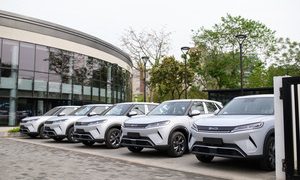


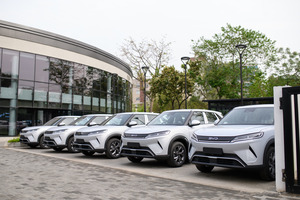
Islamabad: The government has reduced the sales tax burden for locally manufactured or assembled hybrid electric vehicles up to 2,000 cc. After the new amendment, the normal 18 percent sales tax will be applicable on these vehicles instead of 25 percent.
The Ministry of Finance has issued SRO 1525(I)/2026 in this regard. The notification has come into effect with immediate effect from September 13, 2026.

The government has made this change by amending the existing sales tax notification. Under the new provision, local hybrid vehicles up to 2,000 cc have been excluded from the table under which 25% sales tax was being levied on certain local vehicles.
The decision has reduced the sales tax rate by 7 percentage points. However, this does not mean that all hybrid vehicles have been exempted from the tax. The general sales tax of 18% will continue to apply on eligible vehicles.
The change comes at a time when the tax regime for hybrid vehicles has undergone significant changes this year. The previous concessional rates available to certain hybrid vehicles ended at the end of June 2026. This has subsequently put additional pressure on prices by imposing a higher rate on the relevant vehicles.
The new concession could have an immediate impact on the local auto market. Sales tax is a significant component in the production cost of hybrid vehicles. Therefore, the tax cut could create room for companies to reduce prices.
However, consumers will get the full benefit only if automakers pass on a fair share of the tax cut in their prices. The final price of a vehicle is also affected by other taxes, production costs, imported components and the company’s pricing decisions.
An important aspect of this decision is also the local auto industry. Increasing local assembly of hybrid vehicles in Pakistan could increase the availability of advanced technology and relatively fuel-efficient vehicles.
Hybrid vehicles can use less fuel than conventional gasoline vehicles. At a time when global oil prices and Pakistan’s energy import costs are under pressure, local production of more efficient vehicles could also be economically important.
However, tax relief alone will not be enough for the industry. The auto sector needs a clear long-term policy, increased local component manufacturing and consistent rules for investment. Frequent tax changes can create uncertainty for both the industry and consumers.
The government’s latest move has immediately reduced some of the tax burden on local hybrid vehicles up to 2,000 cc. Now the real success of this decision will be measured by the prices of vehicles, sales, local production and the benefits passed on to consumers.
If companies pass on the tax relief to prices, it could increase demand for hybrid vehicles. This could also benefit the local auto industry and give consumers a choice of more fuel-efficient vehicles.
We welcome your contributions to The Pakistan Observer. Submit your blogs, opinion pieces, press releases and news features to our editorial team.
Please send your submissions to our News Desk or Editorial team. We look forward to hearing from writers, journalists and contributors.