

ISLAMABAD — The luxury corridors of Islamabad’s diplomatic enclave, usually hushed and guarded, are buzzing once again with the electric hum of high-stakes geopolitics. Only days after the curtains closed on a historic, yet inconclusive, weekend of dialogue, sources say the stage is already being reset for an encore.
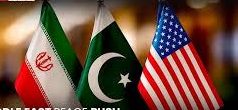
Five separate sources confirmed on Tuesday that negotiating teams from the United States and Iran could return to the Pakistani capital as early as the end of this week. This follows a marathon session over the weekend that shattered decades of diplomatic ice, marking the most significant direct engagement between Washington and Tehran since the 1979 revolution.

The “No-Breakthrough, No-Breakdown” Paradox
The first round ended Sunday with both delegations heading for the tarmac without a signed agreement. In the world of diplomacy, such an exit often signals a collapse. However, officials close to the talks describe a different atmosphere: one of cautious persistence.
While the talks ended without a breakthrough, they notably ended without a breakdown. The “Islamabad Channel,” as it is being called, remains open.
”A proposal has been shared with both the sides to resend their delegates to resume the talks,” a source involved in the process told Reuters. While a specific date remains fluid, the urgency is palpable. The fact that both sides are even considering a return flight within the same week suggests that the “proposal” currently on the table contains enough substance to keep both capitals interested.
Pakistan: The Silent Bridge
The choice of Islamabad as a venue is a testament to Pakistan’s evolving role as a regional mediator. For decades, the two nations communicated through Swiss intermediaries or via cryptic public statements. By hosting direct talks, Pakistan has positioned itself as the “silent bridge” in a chasm that has defined Middle Eastern and Western tensions for forty-five years.
What is at Stake?
The agenda remains shrouded in the typical “off-the-record” secrecy of high-level diplomacy, but the shadows of the 2015 nuclear deal (JCPOA), regional maritime security, and frozen assets loom large over the proceedings.
For the Biden administration, a stabilization of ties with Tehran could de-escalate multiple flashpoints across the Middle East. For Tehran, relief from a strangulating sanctions regime remains the ultimate prize.
The Road Ahead
The world now watches the flight trackers at Nur Khan Airbase. If the delegations do touch down by Friday, it will signal that the weekend’s “getting-to-know-you” phase has evolved into hard bargaining.
As one diplomat put it, “The first round proved they could sit in the same room. The second round will prove if they can stay there.”
For now, the diplomatic community in Islamabad remains on standby. The silence of the last few days wasn’t a sign of failure, it seems, but the intake of breath before a second plunge into the deep waters of US-Iran reconciliation.