

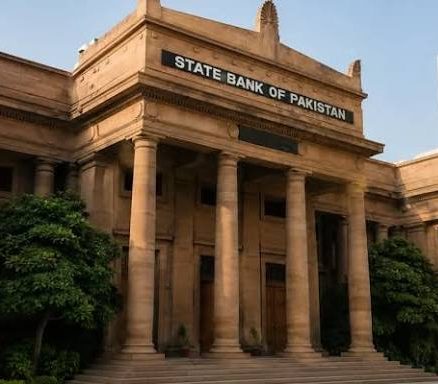
In June 2026, Pakistan’s trade deficit expanded further due to an increase in imports compared to exports. The figures have been presented in SBP’s latest external sector report.
The report shows the nation’s trade deficit grew 8 per cent from $3.40 billion in May to $3.55 billion in June. Over the period, goods imports rose 9 percent to $6.14 billion, and goods exports rose and grew by 10 percent to $2.38 billion.
The trade, services and primary income balance deficit in June was $4.34 billion, according to the State Bank. However, the remittances of Pakistanis in foreign countries decreased on a month-to-month basis. Remittances in June decreased by 18 per cent to $3.47 billion, compared to $4.37 billion in May.
The external sector was under pressure in June, but it had a relatively good finish in fiscal 2025-26. The State Bank reported that Pakistan’s current account deficit in the entire fiscal year was just $139 million, which marked the improvement in the external account from last year.
The annual export data shows a drop of 5 per cent in 2025-26 exports to $30.84 billion from $32.34 billion the previous year. Imports, however, rose 9 per cent to $64.46 billion, up from $59.14 billion a year ago.
The report also said that the combined deficit of trade, services and basic income increased by 14 per cent to $43.95 billion during the fiscal year 2025-26. On the bright side, however, the Pakistani community abroad kept on supporting the economy via remittances. The value of workers’ remittances increased 9 per cent to $41.58 billion during the entire fiscal year.
The latest figures suggest that Pakistan is still grappling with the problem of managing imports and promoting sustainable growth of exports, economists have said. Diversification of exports, expansion of industrial output and maintenance of higher remittances will be the means for providing the external sector with stability in the coming months, they say.