

Islamabad – The government has increased the prices of petrol and high-speed diesel. The new prices will be implemented from August 18, 2026
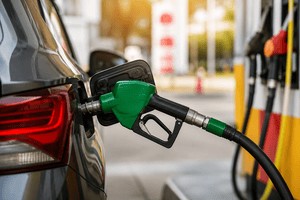
According to the notification of the Petroleum Division, the price of petrol has been increased by Rs 5.77 per liter. After this increase, the new price of petrol has become Rs 331.20 per liter.
High-speed diesel has also been made expensive by Rs 6.47 per liter. The new price has been fixed at Rs 390.42 per liter.
The new prices will be implemented after 12 am on August 18. Thus, consumers will buy petrol and diesel at the new prices.
After the latest decision, the previous price of petrol has increased from Rs 325.43 to Rs 331.20. Similarly, diesel has increased from Rs 383.95 to Rs 390.42 per liter.
The recent volatility in the global oil market has also increased the pressure on local prices. Geopolitical tensions remain a major factor in the increase in global crude oil prices.
According to the latest market reports, the price of Brent crude oil has also increased. Changes in global prices are important for a country like Pakistan, which is dependent on imported oil.
Pakistan meets a large part of its domestic demand with imported petroleum products and crude oil. Therefore, factors such as global prices, freight, insurance and the value of the rupee affect local prices.
The increase in diesel prices is especially important for business activities. Freight trucks, buses and agricultural machinery use diesel to a large extent.
The increase in fuel prices can increase the operational costs of transport. This can also put pressure on the cost of delivering essential goods and some business sectors.
However, it would not be correct to directly link the increase in the price of every commodity to petrol or diesel. Demand, supply, rent, wages and other business costs also play a role in determining prices.
The prices of petroleum products in Pakistan are determined under a fixed mechanism. This process takes into account import costs and other relevant factors.
After the latest increase, the monthly travel expenses of ordinary consumers are likely to increase. The rising cost of fuel could also be a major challenge for the business sector.
The main challenge for the government is to maintain a balance between global market fluctuations and financial pressure on local consumers.
We welcome your contributions to The Pakistan Observer. Submit your blogs, opinion pieces, press releases and news features to our editorial team.
Please send your submissions to our News Desk or Editorial team. We look forward to hearing from writers, journalists and contributors.