


Islamabad – The government has announced a reduction in the price of high speed diesel by Rs 30 to 32 per liter after negotiations with oil refineries. The final price will be determined by the Oil and Gas Regulatory Authority (OGRA) after completing its calculations.
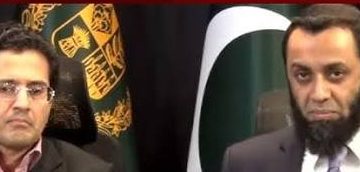
Federal Minister for Petroleum Ali Pervez Malik told the media on Wednesday that several virtual meetings were held with local refineries on the instructions of Prime Minister Shahbaz Sharif. As a result of these negotiations, the refineries have accepted the government’s request and agreed to a significant reduction in the price of diesel.


According to the minister, the reduction could be more than Rs 30 and up to about Rs 32 per litre. However, consumers will get the final benefit of the new price after OGRA’s calculations and official announcement.
According to reports, the government has taken this step in the context of unusual fluctuations in the prices of refined petroleum products, including diesel, in the global market. The ongoing tension in the Middle East has increased pressure on oil shipments and refining supplies.
The price difference between crude oil and finished petroleum products has also become significant at the global level. According to Reuters, constraints in global refining capacity have particularly affected the supply of diesel, due to which refining margins have reached high levels.
The impact of global conditions on diesel prices in Pakistan has been continuously seen in recent weeks. On August 14, the price of high-speed diesel reached Rs 383.95 per liter. Before that, the price had also decreased and increased slightly several times in August.
The Petroleum Minister said that despite limited financial resources, the government is trying to protect the public from the impact of global prices. According to him, the government has allocated more than Rs 100 billion to reduce the pressure on the prices of petroleum products during the last three to four months.
Minister for Information and Broadcasting Attaullah Tarar also termed the talks as a major relief for the public. According to him, the Prime Minister had directed the concerned authorities to hold talks with the refineries to provide possible facilities to the public. He said that OGRA may announce a reduction of about Rs 32 per liter after the calculations are completed.
The direct benefit of the reduction in diesel price is expected to reach the agriculture sector and transport. Farmers use diesel for tube wells and agricultural machinery, while it also has a large share in freight vehicles and public transport. Therefore, a significant reduction in price can reduce the pressure on transportation costs.
A possible impact of this could also be on the prices of essential commodities. However, its magnitude will depend on the extent to which transporters and supply chain businesses pass on the diesel savings to consumers.
The government has also indicated to move forward with the plan to modernize the refinery sector. According to the Petroleum Minister, further discussions will be held with Karachi refineries next week and work on their upgradation process will be started.
On the other hand, the government will also work on activating bonded storage schemes for storing oil in border areas. The move is aimed at providing additional storage and better supply management during potential supply disruptions.
The petroleum pricing system in Pakistan has also become more dynamic in recent times. Due to rapidly changing prices in the global market, the government has adopted the method of setting prices on a daily basis. In early August, OGRA had also transferred the effects of changes in global prices to local rates.
The diesel market is also facing supply pressure at the global level. According to Reuters, tensions in the Middle East and problems faced by refineries in other regions have affected the availability of finished fuel. On August 19, the price of Brent crude oil reached about $ 91.89 per barrel, which indicates that uncertainty remains in the global energy market.
The real challenge for Pakistan is to provide relief to local consumers during the fluctuations in global prices and not increase additional pressure on government finances. The price reduction for local refineries is an attempt to improve this balance, however, permanent relief will depend on global oil prices, supply conditions and the performance of the refinery sector.