

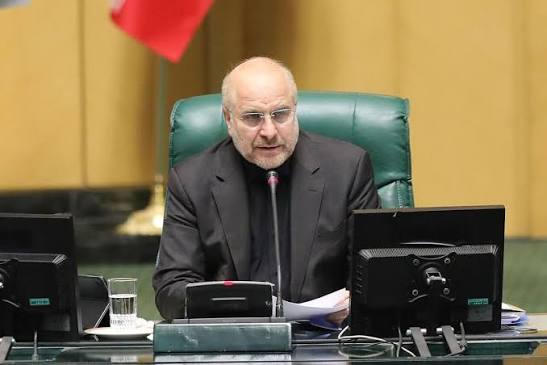
Tehran: Iranian Parliament Speaker and senior leader Mohammad Baqer Qalibaf has said that Iran cannot be forced to back down from its position by putting pressure on it and the ongoing tension with the US cannot be ended in the event of Iranian surrender.
According to foreign media reports, Mohammad Baqer Qalibaf said in his latest statement that Iran is always ready to protect its sovereignty, national interests and the rights of its people. He said that if the US backs down from the understanding reached between the two countries or any mutual agreement, Iran is capable of responding with full defensive readiness.
He stressed that war or escalation of tensions is not in the interest of any party, and the international community also wants stability and an end to conflicts in the region. However, according to him, the fact cannot be ignored that Iran will not change its policy under any kind of pressure or threat.
Mohammad Baqer Qalibaf also urged Islamic countries to promote mutual cooperation and unity regarding the challenges faced in the region. According to him, the Muslim world should adopt a common strategy on issues that are related to the security, sovereignty and stability of the region.
The Iranian leadership’s statement comes at a time when diplomatic activities are ongoing in the Middle East and various countries are engaged in contacts to reduce tensions in the region. Analysts say that the future of relations between Iran and the United States will depend on diplomatic progress, confidence-building measures and mutual decisions, while the impact of any new conflict could be felt on the security of the entire region and global energy markets.
Relations between Iran and the United States have been tense over various political and security issues for the past several years. Although attempts have been made at various times for negotiations and diplomatic contacts, the lack of trust and policy differences between the two countries are still considered major challenges. The recent statement is also being seen in this broader diplomatic context.
We welcome your contributions to The Pakistan Observer. Submit your blogs, opinion pieces, press releases and news features to our editorial team.
Please send your submissions to our News Desk or Editorial team. We look forward to hearing from writers, journalists and contributors.