


Islamabad: The war launched by the US and Israel against Iran has completed 100 days. Initially, US President Donald Trump claimed an early end to the conflict, but despite the passage of more than three months, not only the tension persists but its effects have spread beyond the Middle East to the global economy, energy markets and international diplomacy.
According to initial figures, at least 7,000 people have lost their lives since the start of the war. The deaths include citizens of Lebanon, Iran and other affected areas in the region, while several military personnel have also been victims of the conflict. Experts say that the actual number may be higher due to limited access to the affected areas.
The war has resulted in large-scale displacement in both Lebanon and Iran. Millions of people in Lebanon lost their homes, while millions of citizens in Iran were forced to move to safer areas in the early weeks. UN aid agencies are calling the situation one of the region’s biggest humanitarian crises.
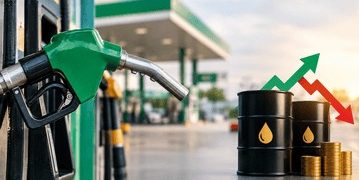
On the other hand, the severe disruption to trade in the Strait of Hormuz has put pressure on global energy markets. A large part of the world’s oil and gas supply passes through this route, which has disrupted shipping and disrupted the global supply chain.
The rise in global oil prices has increased fuel and transport costs in many countries around the world. This has raised new concerns about inflation, while additional pressure has also been seen on developing economies.
According to economists, rising energy prices have also affected the cost of agricultural production, industrial production and daily necessities. The prices of fertilizers, plastics and other industrial products are continuing to increase in various markets.
Although several efforts have been made at the diplomatic level, no lasting progress has been made so far. A limited ceasefire and talks were held in April with the mediation of Pakistan, but a consensus could not be reached on the core disputes, especially the nuclear program and regional security issues.
Middle East experts say the war is likely to end, but a lack of trust and conflicting security concerns remain major obstacles to any comprehensive peace deal.
More than 100 days on, there is no clear end in sight to the conflict. The loss of life, the displacement of millions, a global energy crisis and a diplomatic stalemate have transformed the war from a regional conflict into a global issue.
We welcome your contributions to The Pakistan Observer. Submit your blogs, opinion pieces, press releases and news features to our editorial team.
Please send your submissions to our News Desk or Editorial team. We look forward to hearing from writers, journalists and contributors.