

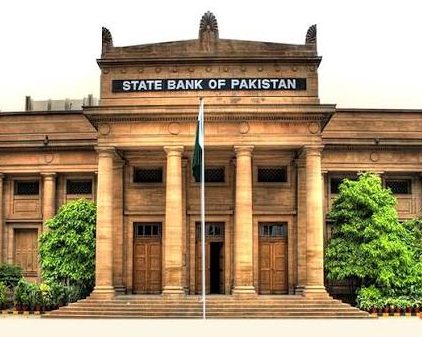
Lahore – The State Bank of Pakistan has started considering scrapping the Rs 10 banknote in phases due to rising printing costs. The central bank is also preparing a new design for the Rs 5,000 note to better curb counterfeit currency.
This was stated by State Bank Deputy Governor Dr Inayat Hussain in a meeting of the Senate Standing Committee on Finance and Revenue. The meeting was chaired by Senator Saleem Mandviwala. The committee reviewed various issues, including currency security, remittances, foreign investment and alleged financial irregularities of companies.


According to Dr Inayat Hussain, the current Rs 5,000 note was issued in 2005. Due to rapid development in technology, it has become easier to produce counterfeit notes than before. That is why work is underway to include more effective security features in the new design.
The State Bank had issued a formal tender for the design of the new Rs 5,000 note. Four companies participated in the process. Later, a consultant firm was assigned the task. The firm is currently incorporating the required changes. The new design will be presented to the federal government for final approval.
The Deputy Governor said that it may take about a year to bring the new notes to the market. He said that printing a Rs 5,000 note costs about Rs 14. The committee was also told that there is a possibility of changing the notes to different denominations after the new notes are issued.
Senator Saleem Mandviwala expressed concern over the issue of counterfeit currency. He said that he had sent three suspicious Rs 5,000 notes to the State Bank for verification about two years ago, but he has not received a response yet. He also sought full details of the bidding process for the design of the new note.
The current Rs 5,000 note of the State Bank already has several security measures, including a watermark, security thread, hidden digit, anti-scan and anti-copy features. The new design aims to further enhance these security measures.
The meeting was also briefed on the Pakistan Remittance Initiative. The committee was informed that the government had provided a total subsidy of Rs 120 billion to banks in the past for the remittance facility. Due to financial constraints, it was not possible to continue this facility in the current budget. The banks have expressed their willingness to bear the expenses related to remittances from their own resources.
The committee also sought details regarding the protection of funds of foreign investors. Members expressed concern over companies that may mislead investors despite allegedly having financial difficulties. The committee stressed the need for the relevant institutions to monitor such matters and take timely action.