

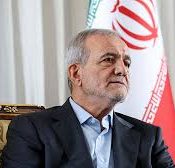
TEHRAN – In a powerful address to the international community, Iranian President Masoud Pezeshkian has asserted that the era of global exploitation and colonialism is coming to an end, declaring that the future world order must be built on the foundations of mutual respect, justice, and humanity. Speaking on the core principles of Iran’s foreign policy, the President emphasized that the struggle against oppression and injustice is not merely a modern political slogan but a fundamental pillar of the Iranian nation’s historical identity. He noted that the Iranian culture is deeply rooted in tolerance and peace, yet the nation remains defined by its historic sacrifices for sovereignty and freedom.
President Pezeshkian clarified that Tehran is committed to promoting positive and constructive relations with both regional neighbors and global partners, provided these interactions are based on mutual trust and common interests. He urged the international community to move away from exploitative policies and toward a system defined by equality, which he believes is the only path to achieving lasting global stability. According to the President, Iran is determined to protect its national dignity and cultural values while actively seeking to reduce regional tensions through diplomatic engagement and economic cooperation.
Political analysts suggest that these remarks reflect a sophisticated dual-track strategy by the current Iranian leadership. By framing Iran’s resistance to Western pressures as a matter of “national identity” rather than just policy, Pezeshkian is signaling that while Tehran is open to de-escalation and trade, it will not compromise on its core sovereignty. As the geopolitical landscape of the Middle East continues to shift rapidly, this statement serves as a clear articulation of Iran’s vision for a post-colonial world where the voices of all nations are heard with equal respect. Experts believe this rhetoric is designed to strengthen Iran’s diplomatic standing on the global stage while reinforcing domestic unity through shared historical values.