

Pakistan’s Constitution vests supreme legislative authority in Parliament. Members of Parliament are elected by the people to make laws, shape national policy, oversee the executive and safeguard democratic governance. Every ministry, public institution and the armed forces operate within the constitutional and legal framework. Consequently, the country’s progress or decline depends largely on the wisdom, integrity and vision of its elected representatives.
Unfortunately, Pakistan’s political history has often fallen short of this constitutional ideal. Personal rivalries, dynastic politics, feudal influences and short-term political interests have too frequently overshadowed national priorities. Weak governance and political instability have repeatedly created circumstances in which military intervention became a recurring feature of Pakistan’s history. While historians may debate the causes and consequences of those interventions, they also underscore the responsibility of civilian leaders to strengthen democratic institutions.
Today, public debate is increasingly dominated by criticism of serving and retired army generals, particularly regarding their influence and privileges. Political leaders from different parties, including the PTI, the PML-N at various times, and Maulana Fazlur Rehman, have publicly questioned the military’s role in state affairs. Healthy criticism of public institutions is an essential part of democracy, but political disagreements should be pursued through constitutional means rather than through rhetoric that deepens institutional divisions.
As I wrote in my recent letter published in Dawn on July 22, 2026, there is a clear distinction between criticising policies and undermining the dignity of ordinary soldiers who faithfully discharge their constitutional duty. The overwhelming majority of Pakistan’s armed forces personnel belong to modest, middle- and low-income families. They spend months away from their loved ones, serving in harsh climates, remote border posts and conflict zones. Many retire with modest pensions and continue to face financial hardship. For these soldiers, martyrdom is not merely an official record; it is the ultimate sacrifice in defence of Pakistan. Their families deserve compassion, gratitude and respect regardless of political differences.
If politicians genuinely believe that certain military officers possess excessive authority or enjoy unjustified privileges, the Constitution already provides them with the means to act. Parliament has the power to legislate, amend laws, review budgets, redefine institutional powers and ensure accountability. Democratic institutions are strengthened through legislation and parliamentary oversight—not through political slogans or social media campaigns.
At the same time, Parliament must devote greater attention to the issues that directly affect ordinary Pakistanis. Corruption, inflation, unemployment, poverty, weak public services, unequal justice and poor governance continue to burden millions of citizens. These challenges deserve far more attention than endless political point-scoring.
Above all, political parties must rise above partisan interests whenever the nation’s security and stability are at stake. The fight against terrorism, attempts by hostile external forces to exploit Pakistan’s internal divisions and the challenge of skyrocketing inflation require unity rather than confrontation. While political competition is the essence of democracy, safeguarding the state and protecting the welfare of the people are collective responsibilities that transcend party lines. On these issues, all political parties should stand together in the national interest.
Public trust is not restored by assigning blame. It is earned through effective governance, principled leadership and meaningful reforms. Citizens expect their elected representatives to solve problems, not merely exchange accusations.
Pakistan needs mature politics rooted in constitutionalism, accountability and national unity. Parliament must reclaim its central role—not by engaging in confrontation, but by providing visionary leadership that serves the people. Only then can democratic institutions command the confidence and respect they deserve.
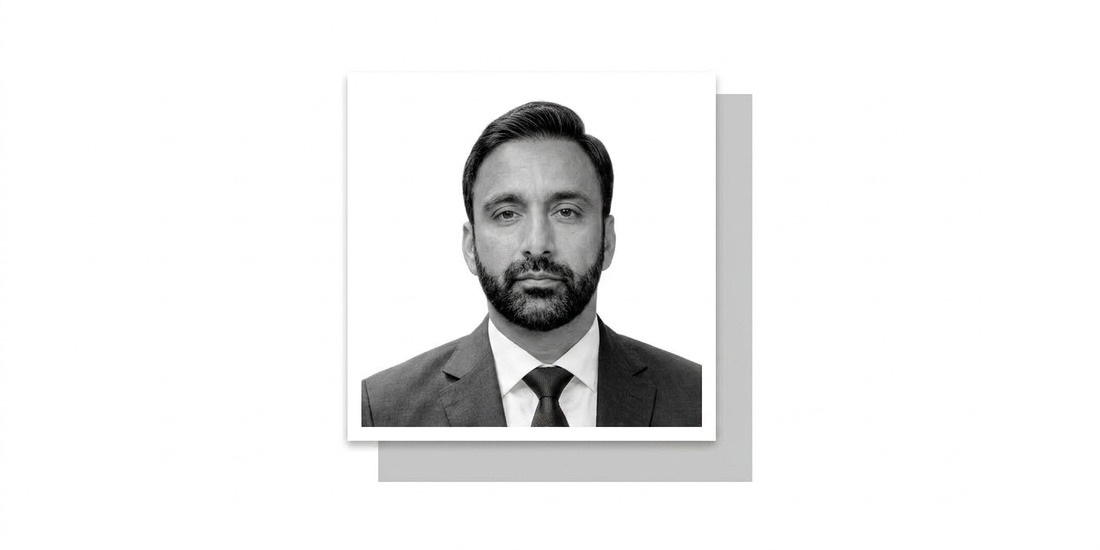
Mr Ghulam Mujtaba is a freelance writer and commentator with an interest in Pakistan’s economic, social and public policy issues. His writings examine governance, economic inequality, institutional reform and challenges facing ordinary citizens.
We welcome your contributions to The Pakistan Observer. Submit your blogs, opinion pieces, press releases and news features to our editorial team.
Please send your submissions to our News Desk or Editorial team. We look forward to hearing from writers, journalists and contributors.