
ISLAMABAD – As the sun began to peek over the Margalla Hills on the morning of Saturday, April 11, 2026, the wheels of a special aircraft touched down at Islamabad’s airport, carrying more than just diplomats. It carried the fragile hopes of a region exhausted by conflict.
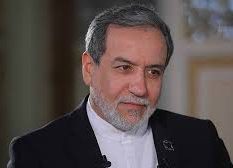
Led by Parliament Speaker Mohammad Baqer Qalibaf and Foreign Minister Abbas Araghchi, the high-level Iranian delegation arrived in a Pakistani capital transformed into a fortress. But beneath the layers of “Triple-One” security and the steel containers blocking the Red Zone, there is a human narrative of a “make-or-break” moment for millions.
A Bridge Built on Trust (and Distrust)
For the people of Pakistan and Iran, this isn’t just a political meeting; it’s a neighbourly intervention. Prime Minister Shehbaz Sharif, in a heartfelt televised address on the eve of the talks, asked the nation to pray.
“This is a moment to save countless lives,” the Prime Minister said, his voice reflecting the gravity of the mediation.
The delegation was received with the highest protocol by Deputy PM Ishaq Dar and Chief of Army Staff Field Marshal Asim Munir. The imagery of the reception—firm handshakes and sombre faces—spoke volumes. For Iran, the visit is a leap of faith. Speaker Qalibaf was candid upon arrival: “We have goodwill, but we do not have trust,” he told reporters, referring to the shadowed history of past agreements.
The Human Stakes: Beyond the 10-Point Proposal
While the headlines focus on the 10-point proposal, the Strait of Hormuz, and frozen assets, the “human story” is about the two-week ceasefire that has finally allowed families in the region to sleep without the whistle of missiles.
- The Mediator’s Burden: Pakistan has leveraged its unique position—as a brotherly neighbour to Iran and a long-term partner to the West—to create this “diplomatic window”.
- The Silent Hope: In the markets of Islamabad and Tehran, there is a shared sigh of relief. The opening of shipping lanes means bread, medicine, and the return of some economic normalcy.
- The Islamabad Lockdown: Local residents, though inconvenienced by the 10,000-strong security deployment, seem to understand the stakes. There is a sense of pride that “The City of Peace” is living up to its name.
What Happens Next?
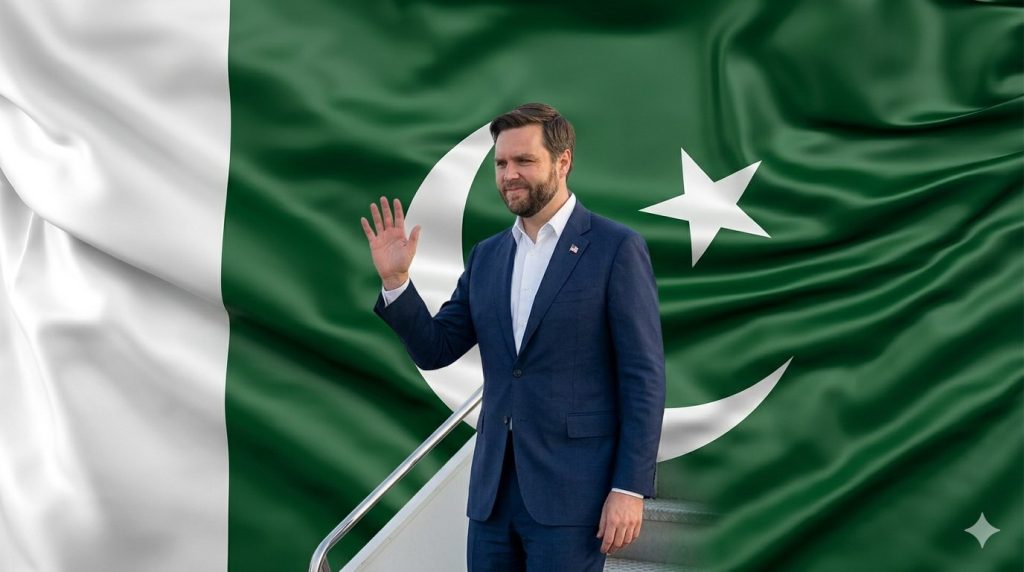
The talks at the Serena Hotel are scheduled to begin this afternoon. With U.S. Vice President JD Vance also landing in the capital, the world is watching. The Iranian delegation brings a demand for a permanent end to hostilities and the lifting of sanctions.
Summary of the Mission
| Key Participant | Role |
| Mohammad Baqer Qalibaf | Leading the Iranian Delegation |
| Abbas Araghchi | Foreign Minister (Negotiator) |
| Shehbaz Sharif | Chief Mediator / Host |
| JD Vance | U.S. Representative |
As the delegates move behind closed doors, the atmosphere in Islamabad is one of cautious optimism. For the first time in months, the language of “war” has been replaced by the language of “negotiation”.
Whether this leads to a lasting peace remains to be seen, but today, as the Iranian flag flies alongside the Pakistani green and white, the human story is simple: The world is breathing again.