
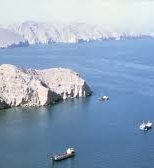

Global tensions and the recent closure of the Strait of Hormuz have not only shaken energy markets but are also now triggering a dire “Global Food Security Crisis”.
Key Highlights: At a Glance
- Oil Prices: Crude oil has surged past $100 per barrel.
- Urea Supply: 46% of global urea trade is at risk of total disruption.
- Price Hike: Urea prices have already seen an immediate 40% increase.
- Most Affected: India, Brazil, the USA, and Bangladesh are under severe pressure.
The Closure of the Strait of Hormuz and the Oil Situation
According to reports from Al Jazeera, Ibrahim Jabari, Senior Advisor to the Commander-in-Chief of the Iranian Revolutionary Guard Corps (IRGC), confirmed on March 2 that the Strait of Hormuz has been closed. This disruption in a strategic maritime route immediately pushed global crude oil prices above $100 per barrel. However, experts warn that the real danger extends beyond fuel—it is now threatening human survival through food supply.
Why is the Fertilizer Supply Chain Collapsing?
A vast majority of the world’s Urea fertilizer is produced in the Gulf (GCC) countries. Natural gas is the primary raw material for this production:
- Production Cuts: Factories in the Gulf region are shutting down due to gas supply interruptions.
- QatarEnergy’s Move: The state-owned QatarEnergy has halted production at one of the world’s largest urea plants.
- Shipping Crisis: With the Strait of Hormuz closed, the transportation of finished fertiliser has come to a complete standstill.
Global Impact on Production
This fertiliser crisis has sent shockwaves across the globe:
- India: Forced to reduce production at several domestic plants.
- Bangladesh: Most fertiliser factories have shut down due to a lack of gas and raw materials.
- USA: The agricultural sector is facing an estimated 25% shortage of fertiliser.
“A 40% increase in urea prices is just the beginning. If the supply chain is not restored soon, DAP and other fertilisers will also see skyrocketing prices.” — Agricultural Experts
Which Countries are Most Vulnerable?
According to data, approximately 46% of the global urea trade originates from the Gulf region. The level of dependence is as follows:
| Country | Dependence on Gulf Fertilizer |
| Brazil | Nearly 100% (Complete import reliance) |
| India | Over 40% |
| Others | China, USA, Australia, and Indonesia |
Is the World Heading Toward a Famine?
This crisis strikes just as the sowing season is underway in the Northern Hemisphere. The lack of fertiliser will directly impact the yield of:
- Wheat and Rice: The staples of global food security.
- Corn and Soybeans: Essential for poultry and livestock feed.
If the fertiliser shortage persists, crop yields per acre will plummet, potentially leading to a massive spike in global food prices and food scarcity in vulnerable nations.