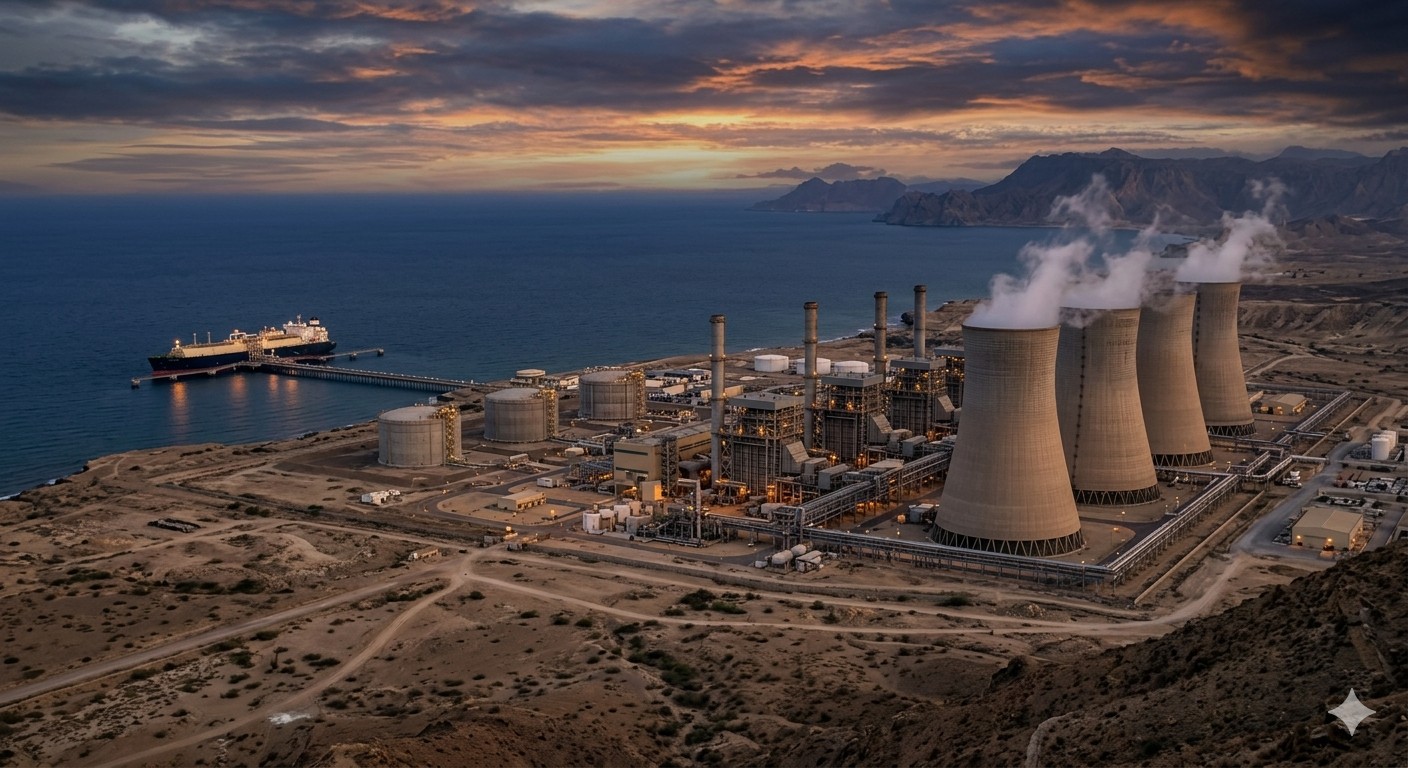

ISLAMABAD — Pakistan is bracing for a significant energy crisis as the upcoming summer heat approaches. A sharp decline in imported Liquefied Natural Gas (LNG) supplies has raised alarms over the country’s ability to maintain power generation, with officials warning that both widespread load-shedding and tariff hikes are now highly likely.
The LNG Supply Crunch
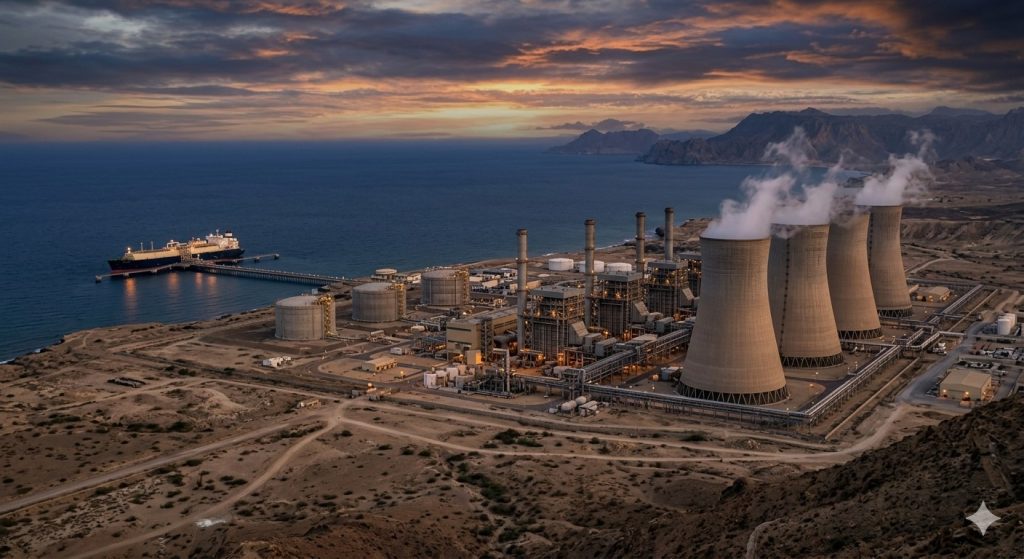
According to recent reports, the supply of LNG for April is expected to drop to near-zero levels. This represents a drastic decline from March, when the power sector was receiving approximately 150 mmcfd of gas—a figure now projected to plummet to just 80 mmcfd.
- Impact on Power Plants: Four major LNG-fired power plants, with a combined generation capacity of approximately 5,000 MW, will be unable to operate at full capacity due to the fuel shortage.
- Rising Demand: This shortage hits exactly as Pakistan enters the peak summer season, where national electricity demand typically surges to between 27,000 and 28,000 MW.
Expensive Alternatives: The Shift to Furnace Oil
To bridge the massive generation gap, the government is considering switching to furnace-oil-based power generation. While this may keep the lights on, it comes at a staggering financial cost to the consumer.
“The cost of electricity generated from furnace oil can reach Rs 35 per unit or higher, whereas LNG and coal remain relatively more affordable.” — Energy Experts
As a result, consumers may face an additional burden of Rs 10 to Rs 12 per unit in the form of Fuel Cost Adjustments (FCA) on their monthly bills.
Planned Load-Shedding and Mitigation
Sources indicate that the government is preparing a schedule for average load-shedding of two to three hours daily, particularly during evening hours when peak demand spikes. The impact is expected to vary between urban and rural areas.
| Power Source | Status/Capacity | Trend |
| Imported LNG | 80 mmcfd (Projected) | Critical Decrease |
| LNG Power Plants | 5,000 MW | Underutilized |
| Local Sources | Solar, Hydel, Coal, Nuclear | Increasing Reliance |
The Government’s Stance
Despite the grim outlook, the Minister for Energy recently stated that Pakistan is working to reduce its dependence on external LNG. A larger portion of the national energy mix is now being sourced from local alternatives, including:
- Solar & Wind
- Hydropower (Hydel)
- Local Coal & Nuclear Power
However, experts warn that if geopolitical tensions in the Middle East and disruptions in the Strait of Hormuz persist, Pakistan’s energy security will remain under immense pressure, potentially leading to even longer blackouts and higher prices.