

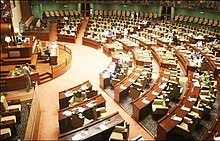
The Sindh Assembly has passed the Amendment Bill 2026, enacting important legislation related to the local government system. At the time of the approval of the bill, the opposition protested strongly in the house and political tension was also seen during the proceedings.
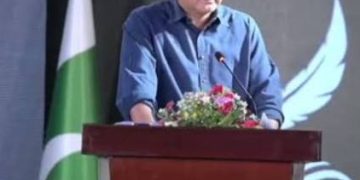
Sindh Interior Minister Zia Lanjar presented the amendment bill in the house. On this occasion, opposition members opposed the bill and protested in front of Speaker Dice. The members tore copies of the bill and recorded their protest.

Later, the report of the special committee on the Local Government Amendment Bill was presented in the house. After the action on the report was completed, the law was approved.
An important aspect of the new amendment is related to administrative matters after the completion of the term of local governments. According to the bill, the former representatives will be able to continue their responsibilities as administrators between the end of the term of the current elected representatives and the swearing-in of the new mayor.
The law also defines the position of the deputy mayor. The deputy mayor will be appointed as the convener of the vice-chairman council. He will also play the role of calling and presiding over the council meetings.
The amendment law also includes the responsibility of monitoring illegal constructions at the local level. The chairmen of the union councils will identify illegal constructions in their areas and report them to the Sindh Building Control Authority.
The bill also includes a provision to establish a conciliation forum for resolving disputes. The relevant forum must be formed within 90 days.
The government maintains that the new amendments will help in improving administrative continuity and communication between different levels in local government matters. On the other hand, the opposition protested in the assembly, expressing its reservations over the legislative procedure and some of the provisions.
The approval of the bill is being considered an important development for future matters related to the administrative structure of local governments in Sindh, especially at a stage when the question of transfer of administrative powers will arise after the completion of the term of elected councils.
We welcome your contributions to The Pakistan Observer. Submit your blogs, opinion pieces, press releases and news features to our editorial team.
Please send your submissions to our News Desk or Editorial team. We look forward to hearing from writers, journalists and contributors.