


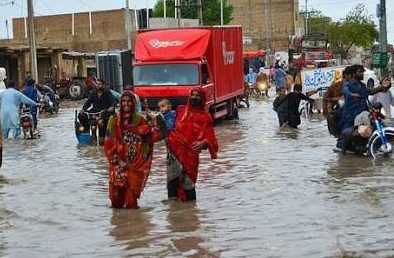
Rawalpindi: The heavy rain that fell in Rawalpindi and Islamabad on Tuesday morning severely affected urban life. Water accumulated in low-lying areas, while after the water level in Nala Lei rose rapidly, the administration started preparing for evacuation in sensitive areas.
According to the Meteorological Department, the rain started at around 3:20 pm and continued till 8 am. Due to heavy rain, water accumulated in many roads, streets and residential areas. In some places, water even reached houses and shops.
According to Rawalpindi Deputy Commissioner Captain (retd) Nadeem Nasir, about 200 mm of rain was recorded in the city. He described the current rainfall as the heaviest in the city in the last three years.
The most serious impact of the rain was seen in the catchment area of Nala Lei. According to officials, as the water level in Nala Lei increased, the water in the rainwater drains connected to it started flowing back, causing floodwater to enter nearby settlements.
According to the latest data, the water level in Nala Lei reached about 29 feet at Katarian. The water level at Gowalmandi Bridge was also recorded at around 23.5 to 24 feet. Due to these levels, the danger for the populations living around Nala Lei increased.
The administration has directed the citizens living in Katarian, Gowalmandi and other sensitive areas to be cautious and move to safer places if necessary. Teams have also been sent to the affected areas for evacuation.
In Rawalpindi, WASA has started an emergency response to the rain. Staff and heavy machinery have been sent to the low-lying areas for drainage. Water drainage work is underway at several places, including Liaquat Bagh, Committee Chowk Underpass, Murree Road, Dhok Khuba, Circular Road and Sadiqabad.
Traffic was also affected due to water accumulation in many areas of the city. Citizens faced difficulties in some areas including Safdarabad, Sadiqabad, Dhok Khuba, Pirodhai, Fauji Colony, Javed Colony and Arya Mohalla.
The intensity of the rain can also be estimated from the data recorded in different areas. According to the Meteorological Department, about 200 mm of rain was recorded in Shamsabad, 185 mm in New Katarian and 157 mm in Golra. Significant rain was also recorded at other places.
In Islamabad, water accumulated in many areas due to rain. In E-11, water was reported to have entered the roads and some basements due to the filling of the rainwater drain. The administration deployed additional dewatering pumps and staff there.
In view of the rain situation, it was decided to keep educational institutions in Rawalpindi closed. According to the administration, this step was taken to protect citizens and students due to water on the roads and possible travel difficulties.
Rescue 1122, district administration and other relevant agencies are on alert to deal with the emergency situation. Pakistan Army and other agencies are also present to assist the administration if needed.
The administration has appealed to citizens to avoid unnecessary travel and stay away from drains, rain drains and water accumulation areas. Officials say that the improvement in the situation depends on the reduction of water level in the drain and the discharge of rainwater from the affected areas.
In the current situation, the administration’s priority is to continuously monitor the drain, protect sensitive populations and drain water from low-lying areas. If the rain does not intensify further and the flow of the drain starts to decrease, the water level in the affected areas is also expected to gradually decrease.