

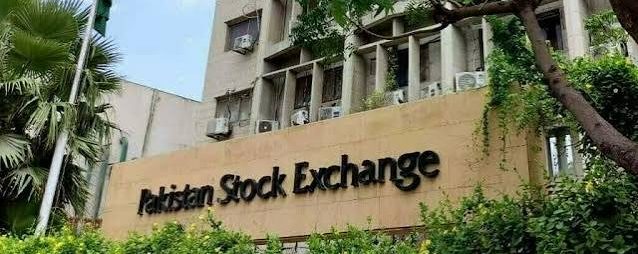
Karachi – The initial bullish trend could not be sustained on the Pakistan Stock Exchange on Tuesday. Investors’ cautious strategy and selling pressure pushed the market down significantly.
The KSE-100 index closed at 177955.50 points, down 2546.94 points, or 1.41 percent. According to official data from the Pakistan Stock Exchange, the index also saw a high of 180602.44 points during trading.
A total of more than 1.039 billion shares were traded in the market. The value of these deals was around 50.74 billion rupees. A total of 563 securities were traded, of which 104 shares rose while 368 shares fell.
Other major indices were also in the negative zone. The KSE-30 index fell by 899.47 points. Similarly, the All Shares Index recorded a decline of 1447.05 points.
Global factors added pressure
The market downturn was not limited to local political developments. The situation in the Middle East globally increased investor concerns.
According to recent market reports, global investors were cautious as the chances of a ceasefire between the US and Iran decreased. This situation also increased concerns about energy supply.
The increase in crude oil prices for the third consecutive day also became a major threat to Pakistan. According to the report, Brent crude oil reached $91.22 per barrel, while the US WTI fell to $85.31 per barrel.
Pakistan relies on imports for a large part of its energy needs. Therefore, a steady increase in global oil prices could put pressure on import costs and external accounts.
Political developments are also on the market’s radar
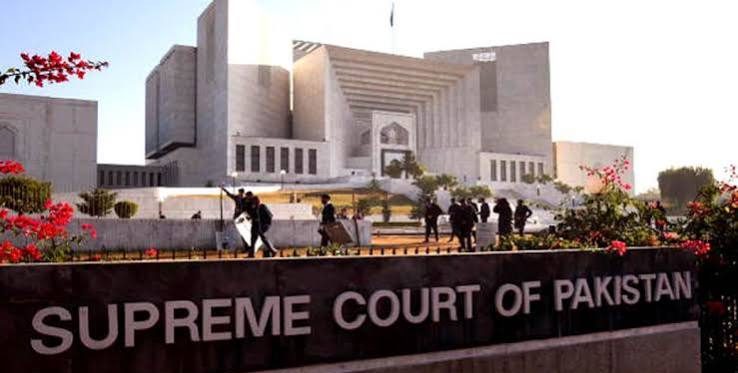
At the local level, the court developments related to former Prime Minister Imran Khan’s health and hospital transfer were also important. The Supreme Court on Tuesday ordered his transfer from jail to Shifa International Hospital in Islamabad. The court also directed the formation of a medical board comprising expert doctors for a medical examination.
This development came at a time when political issues are already the focus of investors. However, available market reports also cite global tensions and oil prices as significant factors in the reasons for the decline. Therefore, it would not be appropriate to attribute today’s decline to just political news.
Profit-taking increased selling
After the significant improvement in the market in the previous session, some investors preferred to lock in profits. This process further intensified selling pressure.
PSX data shows that the decline spread to many parts of the market on Tuesday. Only 104 stocks advanced against the decline in the prices of 368 securities. These figures indicate relatively broad selling pressure in the market.
Future factors for the market
In the short term, investors will keep an eye on the global geopolitical situation and crude oil prices. Local political developments can also affect market sentiment.
The KSE-100 closing below 178 thousand points is also psychologically important. The reaction of investors in the coming sessions will determine whether the market regains stability near this level or the selling pressure persists.
On the other hand, according to official PSX data, the index is still at a higher level compared to last year. The one-year change of the KSE-100 was about 20% as of August 18.
Therefore, it is not right to view the current decline in isolation from the overall long-term trend of the market. For investors, global oil prices, regional conditions, local political situations and financial results of companies will remain important factors for the future direction.
We welcome your contributions to The Pakistan Observer. Submit your blogs, opinion pieces, press releases and news features to our editorial team.
Please send your submissions to our News Desk or Editorial team. We look forward to hearing from writers, journalists and contributors.