
A debate over raising Pakistan’s voting age to 25 has triggered widespread political and civil society backlash. Critics say the proposal could disenfranchise millions of young voters, while officials insist it remains an informal discussion under constitutional review.
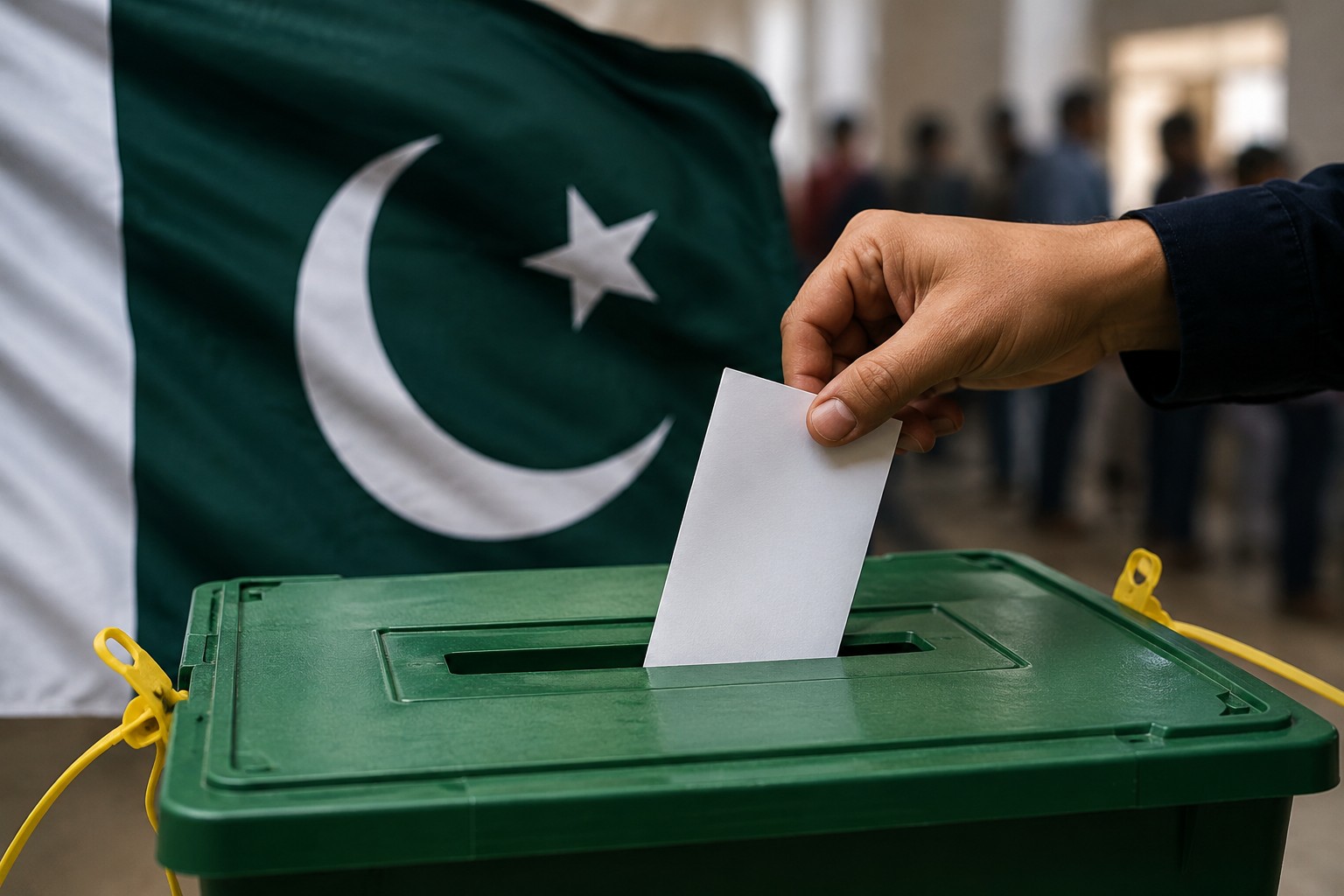
ISLAMABAD: A proposal to raise the voting age in Pakistan from 18 to 25 has sparked a new political debate, with opposition parties, human rights activists and legal experts expressing strong concerns.
The issue came to light when the prime minister’s advisor on political affairs, Rana Sanaullah, said in a TV interview that a constitutional review is underway to align the voting and contesting ages. According to him, there is a view in some quarters that if the age of candidacy is 25, then the voting age should also be the same.
His statement has sparked a debate in political circles. Opposition parties have termed it as being against democratic principles and said that this move is an attempt to exclude the youth from the political process.
PTI leader Sheikh Waqas Akram said that youth not only play a role in the country’s economy and defence, but the right to vote is also their basic democratic right. According to him, such steps are tantamount to restricting democratic participation.
Civil society representatives say that a large portion of the Pakistani electorate is between the ages of 18 and 24, and excluding this age group from the electoral process would affect the balance of political representation. Some experts have called the proposal contrary to international democratic principles.
According to legal experts, the right to vote in Pakistan is granted from the age of 18 under the constitution, and a change to this is possible only through a constitutional amendment that requires a two-thirds majority in parliament.
According to political analysts, although it has not been called a final policy by the government, the debate has certainly sparked an important debate on the political role and constitutional rights of young voters.