

Karachi: The Pakistani Rupee (PKR) is continuing to fluctuate against major global currencies on 7 March 2026, impacting trade and economic activity across the country.
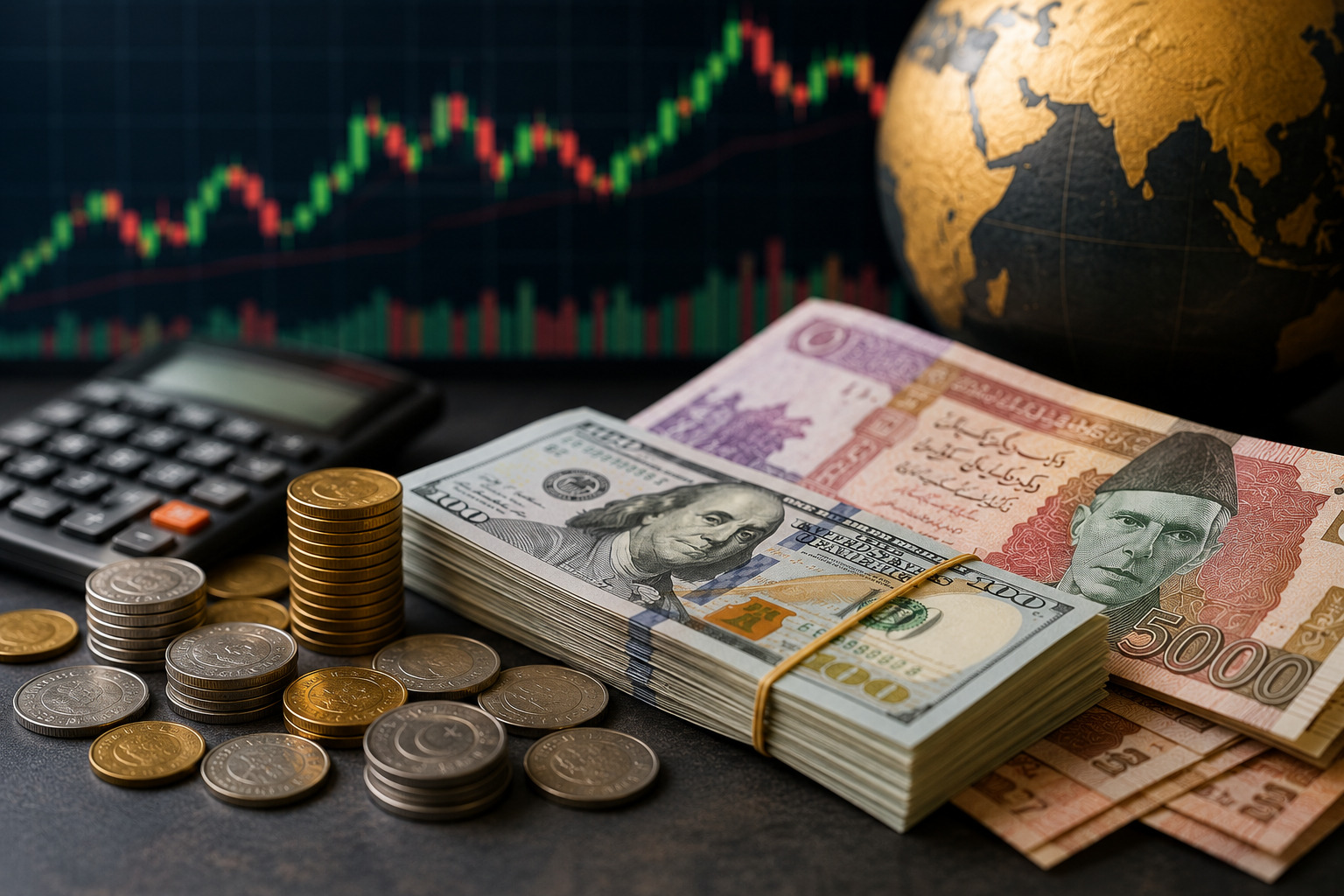
The US Dollar (USD) is trading at Rs. 279.00 for buying and Rs. 280.45 for selling, reflecting ongoing pressure on imports and exports. Businesses are adjusting prices of imported goods, while exporters are benefiting from slightly stronger PKR stability, as trade settlements are continuing in the current economic scenario.
The Omani Riyal (OMR) is available at Rs. 718.50 buying and Rs. 728.60 selling, indicating a steady inflow of remittances from Oman. Pakistani families are relying on remittance flows to support local spending, which is enhancing domestic consumption in key urban centers.
Meanwhile, the United Arab Emirates Dirham (AED) is trading at Rs. 75.75 for buying and Rs. 77 for selling, helping maintain liquidity in the financial system as Pakistani workers send earnings back home, contributing to household incomes and local business activity.
The Saudi Riyal (SAR) is holding at Rs. 73.80 buying and Rs. 74.80 selling, influencing investment patterns in the Middle East–linked sectors. Companies are planning imports from Saudi Arabia carefully, while consumers are benefiting from continued remittance inflows supporting local spending.
The Canadian Dollar (CAD) is trading at Rs. 201.60 buying and Rs. 205.25 selling, creating shifts in the pricing of Canadian imports and services. Firms are reviewing supply chain costs to ensure smooth operations and minimize inflationary pressure in domestic markets.
Finally, the UK Pound Sterling (GBP) is available at Rs. 374.83 for buying and Rs. 378.25 for selling, shaping trade with the UK. Exporters are optimizing shipments for higher returns, while importers are reassessing costs due to the continuing strong PKR pressure against the Pound.
The currency movement is directly influencing Pakistan’s trade balance and cost of living. Firms across manufacturing, import-export, and service sectors are adapting pricing and procurement strategies while the government is monitoring exchange rates to stabilize economic activity.