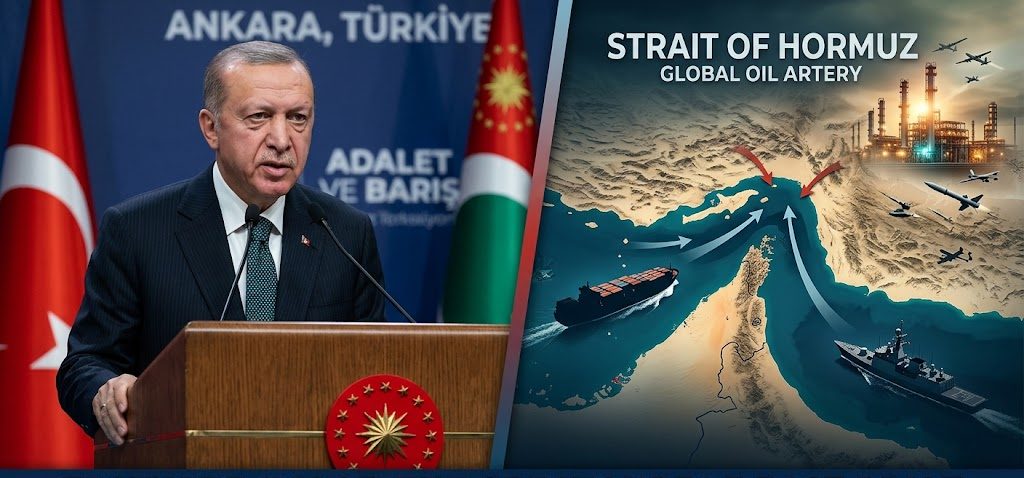

TEHRAN — In a move that could send ripples through global energy markets, the Iranian government has officially announced its intention to collect a “toll tax” from every ship navigating through the Strait of Hormuz.
The announcement was made by Ibrahim Azizi, Head of the Iranian Parliamentary National Security and Foreign Policy Committee, during an interview with Russian media. Azizi stated that under a newly developed system, all vessels passing through this critical maritime chokepoint will be required to pay a fee to the Iranian government.
Asserting Control Over Strategic Waters
Azizi emphasised that the move is part of a broader strategy to establish “effective management and full control” over the waterway in alignment with Iran’s national interests. He further expressed a profound lack of trust in the U.S.’s intentions in the region, signalling that Tehran is prepared to manage the passage independently.
The Strait of Hormuz is widely considered the world’s most important oil artery, with nearly a fifth of the globe’s total oil consumption passing through it daily. Market analysts warn that any new policy or restriction in this area could lead to a significant spike in global energy prices and shipping costs.
Recovery: Healing the Wounds of War
While the announcement regarding the Strait focuses on maritime policy, Iran is also working feverishly to repair its domestic energy infrastructure.
Mohammad Sadiq, Iran’s Deputy Oil Minister, confirmed that work is underway to restore oil refining capabilities that were severely damaged during recent military strikes.
- Timeline for Recovery: Officials expect 70% to 80% of production capacity to be restored within the next two months.
- Immediate Milestone: The Lavan Refinery is expected to partially resume operations within the next 10 days, providing a much-needed boost to local production.
Other units are reportedly undergoing phased restoration to bring the nation’s energy sector back to pre-war levels.
The Road to the “Islamabad Accord”
This policy shift comes just days after a fragile peace took hold in the region. Following the outbreak of direct conflict on February 28, 2026, involving Israeli, American, and Iranian forces, the region was pushed to the brink of a total regional war.
The fighting only ceased on April 8, 2026, after a two-week ceasefire was brokered through the successful mediation of Pakistan. While the ceasefire (the “Islamabad Accord”) remains in place, Tehran’s latest move to tax the Strait of Hormuz suggests that the geopolitical landscape is still shifting as Iran looks to recoup economic losses and assert its regional authority.