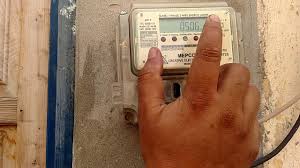

Islamabad: A major development has come to the fore for electricity consumers in Pakistan, where the federal government has decided to retain the basic electricity tariff. As per the proposals prepared by the National Electric Power Regulatory Authority, no fundamental changes have been made in the rates in different unit slabs for domestic consumers.
According to the NEPRA report, the maximum tariff for consumers consuming more than 700 units of electricity has been proposed at Rs 47.69 per unit, while for consumers consuming less electricity, the existing prices have been maintained as per the slab.
The tariff recommendation for protected consumers has been maintained at Rs 10.54 per unit up to 100 units and Rs 13.01 per unit up to 200 units. The same limits for non-protected consumers remain at Rs 22.44 and Rs 28.91 per unit, respectively.
According to NEPRA, the tariff for medium consumers, i.e., those using 201 to 300 units, has been fixed at Rs 33.10 per unit, while it is Rs 37.99 for 301 to 400 units and Rs 40.22 for 401 to 500 units.
In addition, the concessional tariff for lifeline consumers has also been maintained, under which basic electricity facilities will continue to be provided to very low-income consumers at a lower price.
Citizens say that although the basic tariff has been maintained, electricity bills continue to be a burden due to taxes and surcharges. Consumers are hoping that the government will also review these additional charges in the future.
According to energy expert Engineer Rizwan Malik, “The decision to maintain the tariff is a temporary relief, but until the cost of production and transmission losses are reduced, consumers will not get real benefits.”
Economist Dr Arif Hussain says that stability in electricity prices is a positive message for investment, but this benefit will prove to be temporary if there are no permanent reforms at the policy level.
Nepra says that it has sent its proposals for a uniform national tariff to the federal government, after which the final decision will be made with the approval of the cabinet.
According to experts, electricity prices in the coming months will depend on global fuel prices, the value of the rupee and the government’s subsidy policy, due to which consumers need to be cautious.