
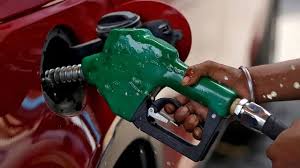

Islamabad: According to sources, the International Monetary Fund (IMF) has advised the government of Pakistan not to adopt a subsidy policy regarding petrol and diesel prices and to immediately incorporate the changes in prices in the global market into local prices.
Sources say that IMF officials are emphasizing on maintaining financial discipline in the energy sector under Pakistan’s economic program. In this context, the government has been directed to determine the prices of petroleum products according to the global market so that the fiscal deficit does not increase.
According to reports, the IMF is of the view that if petrol and diesel prices are increasing globally, its impact should be immediately visible in Pakistan’s local market as well. The aim of this policy is said to be to maintain transparency in the energy sector and reduce the government’s financial burden.
According to sources, IMF officials have also made it clear that the government will have to meet the target set for the Petroleum Development Levy by the end of the current fiscal year. It is being told that the government has set a target of earning Rs 1468 billion from petroleum levy by June 30.
According to experts, petroleum levy is an important source of revenue for the government that helps reduce the budget deficit and maintain fiscal stability. Therefore, international financial institutions are paying special attention to meeting this target.
Economic circles say that Pakistan’s economy is currently facing various challenges, including inflation, increase in import bills and pressure on foreign exchange reserves. In such circumstances, maintaining fiscal discipline is considered very important for the government.
That is why the IMF has proposed that the prices of petroleum products be kept in line with the global market so that the financial pressure in the energy sector is reduced and government expenditure is kept under control.
Meanwhile, public circles say that if the prices of petrol and diesel are increased, it can also have an impact on the prices of transport, food items and other basic necessities.
According to economists, energy prices have a direct impact on a country’s economy. Responding locally to global prices can be beneficial for financial stability, but public safety measures are also necessary.