

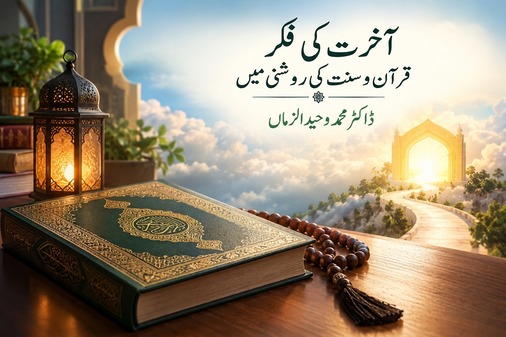
فکرِ آخرت: قرآن و سنت کی روشنی میں
دی سپیریئر یونیورسٹی، لاہور
Concern for the Hereafter: In the Light of the Quran and Sunnah
The Superior University, Lahore
فکرِ آخرت کا مفہوم
فکرِ آخرت سے مراد یہ ہے کہ انسان موت، قبر، حشر، حساب، جنت اور جہنم کو یاد رکھے اور اپنی زندگی کے فیصلے اسی احساس کے ساتھ کرے کہ ایک دن اللہ کے سامنے جواب دہ ہونا ہے۔ یہ دنیا سے کنارہ کشی کا نام نہیں، بلکہ دنیا کو آخرت کی کھیتی بنانے کا نام ہے۔
آخرت ہی اصل اور پائیدار ہے
انسان کو یہ زندگی بہت ہی خوبصورت لگتی ہے اور اسی وجہ سے وہ اس دنیا میں اپنے آپ کو ہمیشہ کا باشندہ جاننے لگ جاتا ہے جبکہ ایسا نہیں ہے؛ آخرت کی زندگی ہمیشہ کی ہے اور اس کا لطف بھی الگ ہی ہے۔ ارشاد باری تعالیٰ ہے:
(العنکبوت: 64)
ترجمہ: “اور یہ دنیا کی زندگی تو محض کھیل تماشا ہے، اور حقیقی زندگی تو آخرت کا گھر ہے، کاش وہ جانتے۔”
ہر شخص کل کی تیاری کا مکلف ہے
اللہ نے ہر انسان کو مکلف بنایا ہے؛ کوئی انسان کسی کے اعمال نہیں کر سکتا۔ یعنی میری نماز ہے تو وہ میں ہی ادا کروں گا، ایسا ممکن نہیں کہ میری نماز کوئی اور ادا کر دے اور میری جانب سے ادا ہو جائے۔ نیک اعمال کرنا انسان کی بخشش کا سبب تو بن سکتا ہے مگر یہ کوئی اور نہیں کر سکتا۔ ارشاد باری تعالیٰ ہے:
(الحشر: 18)
ترجمہ: “اے ایمان والو! اللہ سے ڈرو اور ہر شخص دیکھے کہ اس نے کل (آخرت) کے لیے کیا آگے بھیجا ہے۔”
اعمال کا مکمل حساب
ہر انسان کے اعمال کو تولا جائے گا اور اس کے اعمال اس کے سامنے لائے جائیں گے۔ ایسا نہیں ہو سکتا کہ کوئی انسان کسی چھوٹے سے گناہ کو گناہ نہ سمجھے اور اس پر اتراتا پھرے کہ اس پر سوال نہیں ہوگا، بلکہ اللہ تعالیٰ نے ایک ذرہ برابر نیکی اور گناہ کو سامنے لانے کا وعدہ کیا ہوا ہے۔ ارشاد باری تعالیٰ ہے:
(الزلزال: 7-8)
ترجمہ: تو جو شخص ایک ذرہ برابر بھی نیکی کرے گا، وہ اسے دیکھ لے گا، اور جو شخص ایک ذرہ برابر بھی برائی کرے گا، وہ اسے دیکھ لے گا۔
دنیا کی مثال: بارش اور سبزہ
انسان اپنے اعمال جب کرتا ہے تو وہ سمجھتا ہے کہ میں نے بہت سے اعمال کر لیے، مگر جب اللہ کے حضور پیش ہو گا تو معلوم ہوگا کہ اس کے پاس کچھ بھی نہیں ہے؛ یعنی اس سے ایک ایسا گناہ ہو جاتا ہے کہ وہ انسان اپنی تمام نیکیوں سے ہاتھ دھو بیٹھتا ہے۔ قرآن مجید میں اللہ تعالیٰ کا ارشاد ہے:
(یونس: 24)
ترجمہ: جیسے بارش سے کھیت لہلہاتا ہے، مالک سمجھتا ہے سب کچھ اس کے قابو میں ہے، پھر اچانک آفت اسے ایسا اجاڑ دیتی ہے گویا کل کچھ تھا ہی نہیں۔ دنیا کی رونق، جوانی، مال اور عہدے کا حال بھی یہی ہے۔
دنیا پر فریفتگی کی مثال
اس دنیا میں بہت بڑے بڑے لوگ آئے ہیں؛ قارون، فرعون، نمرود۔ یہ وہ لوگ تھے جو سمجھتے تھے یہ دنیا ہماری ہی ہے، مگر ہم جانتے ہیں کہ قارون کے خزانوں کی چابیاں اٹھانے کے لیے طاقتور جماعت درکار ہوتی تھی (القصص: 76)، مگر اللہ نے اسے مع خزانوں کے زمین میں دھنسا دیا (القصص: 81)۔ سبق یہ ہے کہ مال و دولت آخرت میں نجات کی ضمانت نہیں۔
دنیا میں مسافر کی طرح رہو
حضرت عبداللہ بن عمر رضی اللہ عنہما فرماتے ہیں کہ رسول اللہ ﷺ نے میرا کندھا پکڑ کر فرمایا:
ترجمہ: “دنیا میں اس طرح رہو جیسے تم اجنبی یا راہ چلتے مسافر ہو۔” (صحیح بخاری: 6416)
ابن عمرؓ فرماتے تھے: شام ہو تو صبح کا انتظار نہ کرو، صبح ہو تو شام کا انتظار نہ کرو، صحت میں بیماری سے پہلے اور زندگی میں موت سے پہلے (آخرت کے لیے) تیاری کر لو۔ مثال: مسافر سفر میں محل تعمیر نہیں کرتا، بلکہ زادِ راہ جمع کرتا ہے اور منزل کی فکر رکھتا ہے۔
موت کو کثرت سے یاد کرو
انسان کو اس دنیا کی بے ثباتی کا جتنا احساس موت کرواتی ہے، کوئی چیز نہیں کرواتی۔ نبی کریم ﷺ نے فرمایا:
ترجمہ: “لذتوں کو ختم کرنے والی (موت) کو کثرت سے یاد کرو۔”
(سنن ترمذی: 2307، امام ترمذی نے حسن قرار دیا؛ سنن نسائی)
پانچ چیزوں کو پانچ سے پہلے غنیمت جانو
نبی کریم ﷺ نے ایک شخص کو نصیحت فرمائی:
ترجمہ: پانچ چیزوں کو پانچ چیزوں سے پہلے غنیمت سمجھو: اپنی جوانی کو بڑھاپے سے پہلے، اپنی صحت کو بیماری سے پہلے، اپنی خوش حالی کو تنگ دستی سے پہلے، اپنے فارغ وقت کو مصروفیت سے پہلے، اپنی زندگی کو موت سے پہلے۔
(مستدرک حاکم: 7846، امام حاکم نے صحیح کہا اور امام ذہبی نے موافقت کی)
دنیا کی حقیقت
دنیا کی حقیقت آخرت کے سامنے کچھ بھی نہیں ہے، یعنی انسان جس دنیا کو بہتر سمجھتا ہے وہ آخرت کی زندگی کے سامنے کچھ نہیں۔ نبی کریم ﷺ نے فرمایا:
ترجمہ: “اللہ کی قسم! آخرت کے مقابلے میں دنیا ایسی ہے جیسے تم میں سے کوئی اپنی انگلی سمندر میں ڈبوئے، پھر دیکھے کہ کتنا پانی لے کر لوٹی۔”
(صحیح مسلم: 2858)
مردہ بکری کے بچے کی مثال
نبی کریم ﷺ ایک مردہ، کان کٹے بکری کے بچے کے پاس سے گزرے اور فرمایا: تم میں سے کون اسے ایک درہم میں لینا پسند کرے گا؟ صحابہ نے عرض کیا: ہم تو اسے کسی چیز کے بدلے بھی نہ لیں۔ فرمایا: “اللہ کی قسم! دنیا اللہ کے نزدیک اس سے بھی زیادہ حقیر ہے۔”
(صحیح مسلم: 2957)
تین ساتھیوں کی مثال
حدیث کا مفہوم ہے کہ میت کے پیچھے تین چیزیں جاتی ہیں: اہل، مال اور عمل۔ دو واپس لوٹ آتی ہیں اور ایک ساتھ رہتی ہے؛ اہل اور مال لوٹ جاتے ہیں اور عمل ساتھ رہ جاتا ہے۔
(صحیح بخاری: 6514، صحیح مسلم: 2960)
جس مال اور خاندان کے لیے انسان دن رات ایک کرتا ہے، قبر کے کنارے تک ساتھ دے کر لوٹ جاتے ہیں؛ صرف نیک عمل رفیقِ قبر بنتا ہے۔
عقلمند کون؟
“عقلمند وہ ہے جو اپنے نفس کا محاسبہ کرے اور موت کے بعد کے لیے عمل کرے۔”
(سنن ترمذی: 2459)
“میں نے تمہیں قبروں کی زیارت سے منع کیا تھا، اب زیارت کیا کرو، کیونکہ یہ آخرت کی یاد دلاتی ہے۔”
(سنن ابن ماجہ: 1571، صحیح مسلم: 977 میں اسی مفہوم کی روایت)
قیامت کے دن حساب
(سنن ترمذی: 2417، حسن صحیح؛ مفہوم دیگر طرق سے بھی ثابت)
حضرت عمر بن خطابؓ نے فرمایا: “اپنا محاسبہ خود کرو قبل اس کے کہ تمہارا محاسبہ کیا جائے، اور (اعمال کو) تولو قبل اس کے کہ تمہیں تولا جائے۔” (یہ قول امام ترمذی نے سنن ترمذی، باب 25 کے ذیل میں نقل کیا ہے۔)
حضرت حسن بصریؒ فرماتے تھے کہ مومن اپنے نفس پر نگران ہوتا ہے، اپنا محاسبہ اللہ کے لیے کرتا ہے۔
فکرِ آخرت کے عملی ثمرات
- گناہوں سے بچاؤ: جسے یقین ہو کہ ہر عمل لکھا جا رہا ہے، وہ تنہائی میں بھی اللہ سے ڈرتا ہے۔
- حقوق العباد کی ادائیگی: قیامت میں مفلس وہ ہے جو نماز، روزہ، زکوٰۃ کے ساتھ آئے مگر کسی کو گالی دی ہو، کسی کا مال کھایا ہو؛ اس کی نیکیاں مظلوموں میں بانٹ دی جائیں گی (صحیح مسلم: 2581)۔
- صبر و قناعت: دنیا کی تکلیف عارضی لگتی ہے اور نعمتوں پر شکر آسان ہوتا ہے۔
- اخلاص: انسان دکھاوے کے بجائے رضائے الٰہی کے لیے عمل کرتا ہے۔
- وقت کی قدر: عمر کا ہر لمحہ سرمایہ سمجھا جاتا ہے۔
فکرِ آخرت پیدا کرنے کے طریقے
- روزانہ کچھ وقت محاسبۂ نفس کے لیے مقرر کرنا۔
- موت اور قبر کو یاد کرنا، جنازے اور قبرستان کی حاضری۔
- قرآن کا تدبر کے ساتھ مطالعہ، خصوصاً آخرت سے متعلق سورتیں (الواقعہ، الملک، القیامہ، النبأ)۔
- نیک صحبت اختیار کرنا۔
- مسنون اذکار اور دعاؤں کا اہتمام۔
The Meaning of Concern for the Hereafter
Concern for the Hereafter means that a person remembers death, the grave, resurrection, accountability, Paradise and Hell, and makes decisions in life with the awareness that one day they will have to answer before Allah. It does not mean withdrawing from worldly life; rather, it means making this world a field in which to cultivate the harvest of the Hereafter.
The Hereafter Is the True and Everlasting Life
Human beings find this life extremely beautiful, and for this reason they begin to consider themselves permanent residents of this world. However, this is not the case. The life of the Hereafter is everlasting, and its pleasures are entirely different. Allah Almighty says:
(Surah Al-Ankabut: 64)
Translation: “The life of this world is nothing but amusement and play, while the Home of the Hereafter is the true life, if only they knew.”
Every Person Is Responsible for Preparing for Tomorrow
Allah has made every human being individually responsible for their deeds. No person can perform another person’s deeds on their behalf. If I am required to offer my prayer, I must offer it myself. It is not possible for someone else to perform my prayer and have it counted as mine. Performing good deeds and earning their reward may become a means of a person’s forgiveness, but no one can take another person’s place in fulfilling their personal responsibilities. Allah Almighty says:
(Surah Al-Hashr: 18)
Translation: “O you who believe! Fear Allah, and let every soul consider what it has sent ahead for tomorrow (the Hereafter).”
Complete Accountability for Deeds
Every person’s deeds will be weighed and presented before them. No one should consider a minor sin insignificant and boast that they will not be questioned about it. Allah Almighty has promised that even an act of goodness or evil as small as a particle will be brought before a person. Allah Almighty says:
(Surah Az-Zalzalah: 7–8)
Translation: “So whoever does an atom’s weight of good will see it, and whoever does an atom’s weight of evil will see it.”
An Example of Worldly Life: Rain and Greenery
When people perform their deeds, they may believe that they have accumulated many good actions. However, when they stand before Allah, they may discover that they have very little to their credit. A person may commit a sin that causes them to lose all their good deeds. Allah Almighty describes the example of worldly life in the Holy Quran:
(Surah Yunus: 24)
Translation of the explanation: Just as rain makes fields flourish, their owner believes that everything is under control. Then, suddenly, a calamity destroys them as though nothing had existed the previous day. The beauty of this world, youth, wealth and positions of authority are all subject to the same reality.
An Example of Being Enchanted by the World
Many powerful people have lived in this world, including Qarun, Pharaoh and Nimrod. They believed that this world belonged to them. We know that a strong group of people was required to carry the keys to Qarun’s treasures (Al-Qasas: 76). Yet Allah caused him and his treasures to be swallowed by the earth (Al-Qasas: 81). The lesson is that wealth and riches are no guarantee of salvation in the Hereafter.
Live in This World Like a Traveller
Abdullah ibn Umar (may Allah be pleased with them both) narrated that the Messenger of Allah ﷺ held him by the shoulder and said:
Translation: “Live in this world as though you are a stranger or a traveller passing along a road.” (Sahih al-Bukhari: 6416)
Ibn Umar used to say: When evening comes, do not wait for the morning, and when morning comes, do not wait for the evening. Prepare for the Hereafter while you are healthy, before illness comes, and while you are alive, before death arrives.
For example, a traveller does not build a palace during a journey. Instead, they collect provisions and remain mindful of their destination.
Remember Death Frequently
Nothing reminds a person of the temporary nature of worldly life as powerfully as death. The Prophet ﷺ said:
Translation: “Remember frequently the destroyer of pleasures, meaning death.”
(Jami’ al-Tirmidhi: 2307; Imam al-Tirmidhi graded it Hasan; also reported in Sunan al-Nasa’i.)
Make the Most of Five Things Before Five Others
The Noble Prophet ﷺ advised a person:
Translation: “Make the most of five things before five others: your youth before old age, your health before illness, your wealth before poverty, your free time before becoming occupied, and your life before death.”
(Al-Mustadrak of al-Hakim: 7846; Imam al-Hakim declared it authentic, and Imam al-Dhahabi agreed.)
The Reality of This World
The reality of this world is insignificant when compared with the Hereafter. The world that people consider so valuable is nothing in comparison with the everlasting life of the Hereafter. The Prophet ﷺ said:
Translation: “By Allah! This world, compared with the Hereafter, is like one of you dipping a finger into the sea and then looking at what it brings back.”
(Sahih Muslim: 2858)
The Example of a Dead Kid Goat
The Noble Prophet ﷺ once passed by a dead, mutilated kid goat and asked: “Who among you would like to buy this for one dirham?” The Companions replied: “We would not take it in exchange for anything.” He then said: “By Allah! This world is even more insignificant in the sight of Allah than this animal.”
(Sahih Muslim: 2957)
The Example of Three Companions
According to the meaning of a Hadith, three things accompany a deceased person: their family, their wealth and their deeds. Two return, while one remains. The family and wealth return, but the person’s deeds remain with them.
(Sahih al-Bukhari: 6514; Sahih Muslim: 2960)
The wealth and family for which a person works day and night accompany them only as far as the edge of the grave before returning. Only good deeds become their companion in the grave.
Who Is Truly Wise?
Translation: “The wise person is the one who holds themselves accountable and works for what comes after death.”
(Jami’ al-Tirmidhi: 2459)
Translation: “I had forbidden you from visiting graves, but now visit them, for they remind you of the Hereafter.”
(Sunan Ibn Majah: 1571; a narration with the same meaning is also reported in Sahih Muslim: 977.)
Accountability on the Day of Resurrection
Translation: “A servant’s feet will not move on the Day of Resurrection until they are questioned about four things: their life and how they spent it, their knowledge and how they acted upon it, their wealth and how they earned and spent it, and their body and how they used it.”
(Sunan al-Tirmidhi: 2417; graded Hasan Sahih. Its meaning is also established through other chains of narration.)
Hazrat Umar ibn al-Khattab (may Allah be pleased with him) said: “Call yourselves to account before you are called to account, and weigh your deeds before they are weighed for you.” (Imam al-Tirmidhi transmitted this statement under Chapter 25 in his Sunan.)
Hazrat Hasan al-Basri (may Allah have mercy on him) used to say that a believer keeps watch over their own self and holds themselves accountable for the sake of Allah.
Practical Benefits of Concern for the Hereafter
- Protection from sins: A person who firmly believes that every deed is being recorded fears Allah even when alone.
- Fulfilling the rights of others: The bankrupt person on the Day of Resurrection will be one who arrives with prayers, fasting and Zakat but has insulted someone or consumed another person’s wealth. Their good deeds will be distributed among those they wronged. (Sahih Muslim: 2581)
- Patience and contentment: The difficulties of worldly life appear temporary, and gratitude for blessings becomes easier.
- Sincerity: Instead of acting for show, a person performs deeds seeking the pleasure of Allah.
- Valuing time: Every moment of life is considered valuable.
Ways to Develop Concern for the Hereafter
- Set aside some time every day for self-accountability.
- Remember death and the grave, attend funeral prayers and visit graveyards.
- Study the Quran with reflection, particularly the Surahs concerning the Hereafter, including Al-Waqi’ah, Al-Mulk, Al-Qiyamah and An-Naba.
- Choose righteous company.
- Remain committed to the prescribed supplications and remembrance of Allah.
We welcome your contributions to The Pakistan Observer, Submit your blogs, articles, press releases, news story pitches and news features.
Please send your submissions to our News Room or Editorial team.