


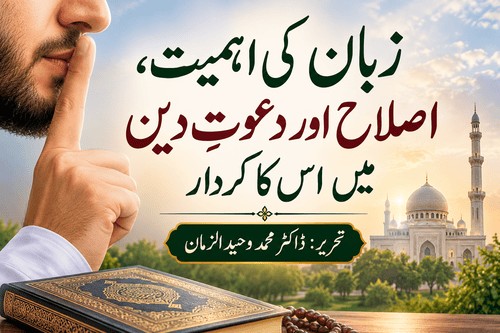
زبان: خیر، اصلاح اور دعوت کا ذریعہ
اللہ تعالیٰ کی بہت سی نعمتیں انسان کو میسر ہیں اور ان میں سے ایک نعمت زبان ہے۔ گویا انسان کو اللہ نے زبان عطا فرمائی۔ سورۃ البلد میں اللہ نے اس کو بڑی نعمت قرار دیا۔ ایک جگہ پر ارشاد فرمایا:
(سورۃ البلد: آیات 8-9)
(کیا ہم نے اس کے لیے دو آنکھیں، زبان اور دو ہونٹ نہیں بنائے؟)
یہی زبان کسی کو جنت پہنچا دیتی ہے اور یہی جہنم میں گرا دیتی ہے۔ آج ہم دیکھیں گے کہ اسے خیر، اصلاح اور دعوتِ دین کا ذریعہ کیسے بنایا جائے۔
قرآنِ مجید کی روشنی میں:
قرآن مجید نے ہمیشہ گفتگو کے دوران جب بھی حکم دیا، احسن بیان کا حکم دیا کہ لوگوں کے ساتھ اچھے سے بات کرو۔ ارشاد باری تعالیٰ ہے:
(البقرۃ: 83)
“لوگوں سے اچھی بات کہو۔”
یہ حکم مسلمان اور غیر مسلم، سب کے لیے عام ہے۔ یہ حکم محض مسلمانوں کے لیے نہیں ہے کہ ان سے تو نرمی سے بات کی جائے مگر جب کوئی غیر مسلم آئے تو اس سے بدتمیزی سے بات کی جائے، بلکہ جب بھی جس سے بھی بات ہو بہترین انداز میں ہو کیونکہ شیطان کا مقصد انسان کو بھٹکانا اور فساد ڈالنا ہے۔ ارشاد باری تعالیٰ ہے:
(الاسراء: 53)
“میرے بندوں سے کہہ دو کہ وہ بات کہیں جو سب سے اچھی ہو، کیونکہ شیطان ان کے درمیان فساد ڈلواتا ہے۔”
یعنی بدزبانی شیطان کا دروازہ ہے اور نرم کلامی اس کا علاج۔ نہ صرف نرمی بلکہ بات جب بھی کرنی چاہیے سیدھی سیدھی اور صاف صاف بات کرنی چاہیے۔ ارشاد باری تعالیٰ ہے:
(الاحزاب: 70-71)
زبان درست ہو جائے تو اللہ تعالیٰ پورے اعمال درست فرما دیتا ہے اور گناہ معاف کرتا ہے۔ یعنی جب بھی بات کرو تو سیدھی سیدھی اور صاف بات کرو۔
دعوت کے لیے جب بھی زبان استعمال کی جائے گی، وہ زبان اور انداز وہی ہوگا جو نبوی طریقہ ہے ﷺ۔ ایسا نہیں ہوگا کہ تعلیمات تو ہم دین کی پھیلا رہے ہوں مگر زبان اپنی اور سخت لہجہ ہو۔ یہ قابل قبول نہ ہوگا۔ جب بات دعوت کی آتی ہے تو ارشاد باری تعالیٰ ہے:
(فصلت: 33)
یعنی جب بھی اللہ کی جانب بلایا جائے گا تو لہجہ اور طریقہ دونوں نرم ہوں گے۔ ایسا نہیں کہ لہجہ سخت، زبان سخت، اور پھر کہیں لوگ ہماری بات نہیں سنتے۔ وہ سنتے اس لیے نہیں کیونکہ ہمارا طریقہ قرآنی نہیں۔ منہج دعوت پر ارشاد باری تعالیٰ ہے:
(النحل: 125)
یعنی اللہ کی جانب جب بلایا جائے گا تو انتہائی حکمت اور احسن انداز میں دعوت دی جائے گی۔ نہ صرف مسلم بلکہ ان لوگوں کو بھی جو خدا کے نافرمان تھے۔ دیکھیں قرآن میں جب فرعون کی طرف بھیجا گیا تو کیا ارشاد فرمایا:
(طٰہٰ: 43-44)
یعنی اللہ تعالیٰ یہ فرما رہا ہے، جو تمام حالات کو جانتا ہے، پھر بھی ایک موقع دیا جا رہا ہے اور کہا گیا: تم اس سے نرمی سے بات کرنا، شاید کہ وہ آپ لوگوں کی بات کو سن کر ایمان لے آئے، لیکن اس کے نصیب میں ایمان نہیں تھا۔
احادیثِ نبویہ ﷺ کی روشنی میں:
انسان کو بولنے کی اجازت ہے لیکن ایسا بولے جو خیر خواہی پر مبنی ہو۔ اگر ایسا بولے جس سے لوگوں کو تکلیف ہو تو ایسے بولنے سے منع فرمایا گیا ہے۔ حدیث مبارکہ میں آتا ہے:
(صحیح بخاری: 6018، صحیح مسلم: 47)
یعنی جو بندہ اللہ پر اور یوم آخرت پر ایمان رکھتا ہے، اس کو چاہیے کہ وہ اچھی بات کرے۔ بلکہ بہترین مسلم کی نشانی بیان کرتے ہوئے ارشاد فرمایا ہے:
(صحیح بخاری: 10، صحیح مسلم: 40)
یعنی بہترین مسلم بننا چاہتے ہیں تو صرف دو کام کرنا ضروری ہیں۔ سب سے قبل اپنی زبان پر قابو پایا جائے اور اپنے ہاتھ پر قابو کیا جائے۔ لوگوں کو اپنی زبان اور اپنے ہاتھ سے کوئی تکلیف نہ ہونے دے۔
بلکہ ایک لفظ انسان کو جنت میں بھیج سکتا ہے اور ایک لفظ انسان کو دوزخ میں ڈال سکتا ہے۔ حضرت ابوہریرہ رضی اللہ عنہ سے روایت ہے کہ نبی کریم صلی اللہ علیہ وسلم نے فرمایا:
(صحیح بخاری: 6478)
نبی کریم علیہ السلام نے ایک مقام پر یہ بھی ارشاد فرمایا کہ جو مجھے دو چیزوں کی ضمانت دے دے، میں جنت کی ضمانت دیتا ہوں۔ آپ ﷺ نے فرمایا یہ ہیں:
(صحیح بخاری: 6474)
یعنی ایک زبان اور ایک نفس، دو چیزوں پر انسان قابو پا لے تو اسے جنت کی ضمانت جناب رسالت مآب صلی اللہ علیہ وسلم نے دے دی۔
ایک جگہ نبی کریم علیہ السلام نے حضرت معاذ بن جبل کو نصیحت کرتے ہوئے زبان پکڑ کر فرمایا: “اسے روک کر رکھو۔” معاذؓ نے پوچھا: کیا ہم اپنی باتوں پر بھی پکڑے جائیں گے؟ فرمایا:
(جامع ترمذی: 2616، امام ترمذیؒ نے “حسن صحیح” کہا)
یعنی اگر کوئی اپنی زبان پر قابو نہیں کرتا اور بڑبڑاتا رہتا ہے تو قیامت والے دن اپنی زبان کے سبب پکڑا جائے گا۔ اور بہترین بات کرنا تو صدقہ ہے۔ حدیث مبارکہ میں آتا ہے، جناب رسالت مآب صلی اللہ علیہ وسلم نے فرمایا:
(صحیح بخاری: 2989، صحیح مسلم: 1009)
بہترین بات کرنا تو درحقیقت صدقہ ہے اور مومن کی تو یہ شان ہے کہ وہ کسی پر لعنت نہیں کرتا، طعنہ نہیں دیتا اور کوئی فضول گوئی نہیں کرتا۔ حدیث مبارکہ میں آتا ہے:
(جامع ترمذی: 1977، حسن)
اصحابِ رسول ﷺ:
قرآن و حدیث مبارکہ کے بعد حضرات صحابہ کی زندگی کا مطالعہ کریں تو ہمہ جہت ادب اور نرمی سے زندگی بھری پڑی ہے۔ جیسے حضرت مصعب بن عمیر کا ایک بہت خوبصورت واقعہ ہے کہ حضرت مصعبؓ مدینہ میں دعوت دے رہے تھے۔ قبیلے کے سردار اسید بن حضیر غصے میں نیزہ لے کر آئے۔ مصعبؓ نے مسکرا کر کہا: “آپ بیٹھ کر سن تو لیں، بات پسند آئے تو قبول کر لیجیے، ورنہ ہم رک جائیں گے۔” اسیدؓ نے کہا: “یہ تو انصاف کی بات ہے۔” قرآن سنا اور مسلمان ہو گئے۔
(سیرت ابن ہشام، باب اسلام اسید و سعد)
اسی طرح حضرت سیدنا عبداللہ ابن عباس رضی اللہ عنہ کا واقعہ بہت مشہور ہے، جو خوارج سے متعلق آپ کا ایک مناظرہ تھا جس میں آپ نے کمال کی حکمت اور دلیل سے کام لیا۔ ابن عباسؓ نے خوارج سے دلیل اور حکمت کے ساتھ مکالمہ کیا تو ان میں سے تقریباً دو ہزار افراد لوٹ آئے۔
(السنن الکبریٰ للنسائی؛ مستدرک حاکم، حاکم نے اسے صحیح کہا)
یعنی وہ معاملہ جو سوچا جا رہا تھا کہ حل بھی نہ ہوگا، لیکن آپ کی نرم دلی اور شگفتہ زبان سے دو ہزار کا ایک لشکر واپس آ گیا۔ اسی طرح سیدنا عبداللہ بن مسعودؓ فرماتے تھے:
(معجم طبرانی کبیر؛ ابن ابی الدنیا، الصمت)
عملی تجاویز:
- بولنے سے پہلے تین سوال: کیا یہ سچ ہے؟ کیا یہ فائدہ مند ہے؟ کیا یہ اس وقت اور اس انداز میں کہنا مناسب ہے؟
- صبح و شام کا معمول: روزانہ کم از کم ایک شخص کو اچھی بات، دعا یا حوصلہ افزائی کا کلمہ کہیں۔
- تنہائی میں نصیحت: کسی کی غلطی پر سب کے سامنے ٹوکنے کے بجائے علیحدگی میں نرمی سے سمجھائیں۔
- گھر سے آغاز: والدین، بیوی، اولاد اور بہن بھائیوں سے نرم لہجے میں بات کریں۔ دعوت کی پہلی جگہ گھر ہے۔
- صلح کرانے والا بنیں: محلے، خاندان یا دفتر میں جھگڑا ہو تو ایک فریق کی بات دوسرے تک بڑھانے کے بجائے صلح کی بات پہنچائیں۔
- غیبت کی مجلس سے اٹھ جائیں یا روک دیں: اور غیبت کرنے والوں کا ساتھ نہ دیں۔
- دعوت میں حکمت: سامنے والے کی ذہنی سطح، حالات اور مزاج دیکھ کر بات کریں، اور پہلے خوبیوں کا اعتراف کریں۔
- ذکر و تلاوت سے زبان کو تر رکھیں: جو زبان ذکر میں مصروف ہو وہ فضولیات سے بچتی ہے۔ (جامع ترمذی: 3375؛ سنن ابن ماجہ: 3793)
آئیے آج عہد کریں کہ ہماری زبان کسی کا دل نہیں توڑے گی، کسی کی عزت نہیں اچھالے گی، اور ہر مجلس میں خیر، صلح اور دعوتِ حق کا ذریعہ بنے گی۔
The Tongue: A Means of Goodness, Reform and Dawah
Allah Almighty has bestowed countless blessings upon human beings, and one of these blessings is the tongue. Allah has granted human beings the ability to speak and communicate. In Surah Al-Balad, Allah Almighty mentions this as one of His great blessings. He says:
(Surah Al-Balad: Verses 8-9)
“Have We not made for him two eyes, a tongue and two lips?”
The same tongue can lead a person to Paradise, and it can also plunge someone into Hellfire. Today, we will explore how this blessing can be used as a means of goodness, reform and the propagation of Islam.
In the Light of the Holy Quran
Whenever the Holy Quran gives instructions regarding conversation, it encourages people to speak in the best possible manner and treat others with kindness. Allah Almighty says:
(Surah Al-Baqarah: 83)
“And speak kindly to people.”
This command applies equally to Muslims and non-Muslims. It does not mean that Muslims should be treated gently while non-Muslims should be addressed rudely. Rather, whenever and with whomever we speak, our words should reflect the best manners. This is because Satan seeks to mislead human beings and create discord among them. Allah Almighty says:
(Surah Al-Isra: 53)
“Tell My servants to say that which is best. Indeed, Satan causes discord among them.”
This means that abusive language opens the door to Satan, while gentle speech is a remedy against it. Along with kindness, our speech should also be straightforward, clear and truthful. Allah Almighty says:
(Surah Al-Ahzab: 70-71)
“O you who believe! Fear Allah and speak words that are appropriate and truthful.”
When a person’s speech is corrected, Allah Almighty sets their deeds right and forgives their sins. Therefore, whenever we speak, we should speak clearly, honestly and directly.
When the tongue is used for Dawah, both the language and the manner of communication should follow the Prophetic method. It is not acceptable to spread the teachings of Islam while using harsh language and an aggressive tone. When it comes to inviting people towards Allah, He says:
(Surah Fussilat: 33)
“And who is better in speech than one who invites to Allah, does righteous deeds and says, ‘Indeed, I am among the Muslims’?”
This means that when inviting people towards Allah, both our tone and our approach must be gentle. We cannot speak harshly and then complain that people do not listen to us. Sometimes, people do not respond because our approach does not reflect the Quranic method of communication. Regarding the methodology of Dawah, Allah Almighty says:
(Surah An-Nahl: 125)
“Invite to the way of your Lord with wisdom and good instruction, and argue with them in a manner that is best.”
This means that people should be invited towards Allah with wisdom and in the best possible manner. This principle applies not only to Muslims but also to those who disobey Allah. Consider the example of Prophet Musa (Moses) and Prophet Harun (Aaron), peace be upon them, when they were sent to Pharaoh. Allah Almighty instructed them:
(Surah Taha: 43-44)
“And speak to him gently, perhaps he may be reminded or fear Allah.”
Allah Almighty, who knows all circumstances and outcomes, still instructed His Prophets to give Pharaoh an opportunity through gentle speech. They were told to speak to him softly so that he might listen to their message and accept faith. However, faith was not destined for him.
In the Light of the Prophetic Hadith
A person is permitted to speak, but their words should be based on goodwill and goodness. If speech causes pain or distress to others, such speech is discouraged. The Prophet Muhammad (peace and blessings be upon him) said:
(Sahih al-Bukhari: 6018; Sahih Muslim: 47)
“Whoever believes in Allah and the Last Day should speak good or remain silent.”
In other words, a person who believes in Allah and the Hereafter should ensure that their words are good and beneficial. The Prophet (peace and blessings be upon him) also described the characteristics of a true Muslim:
(Sahih al-Bukhari: 10; Sahih Muslim: 40)
“A Muslim is one from whose tongue and hands other Muslims are safe.”
If we wish to become better Muslims, we must pay attention to two things: controlling our tongues and controlling our hands. We should ensure that no one is harmed by our words or actions.
A single word can become a means of entering Paradise, while another word can lead a person to Hellfire. Abu Hurairah (may Allah be pleased with him) narrated that the Prophet Muhammad (peace and blessings be upon him) said:
(Sahih al-Bukhari: 6478)
On another occasion, the Prophet (peace and blessings be upon him) stated that whoever guarantees him two things will receive his guarantee of Paradise. He said:
(Sahih al-Bukhari: 6474)
“Whoever guarantees me what is between his jaws and what is between his legs, I guarantee him Paradise.”
In other words, if a person exercises control over their tongue and private parts, the Messenger of Allah (peace and blessings be upon him) has promised them Paradise.
On another occasion, the Prophet (peace and blessings be upon him) advised Hazrat Muadh ibn Jabal by holding his tongue and saying, “Restrain this.” Muadh (may Allah be pleased with him) asked whether people would also be held accountable for what they said. The Prophet replied:
(Jami’ al-Tirmidhi: 2616; classified as Hasan Sahih by Imam Tirmidhi)
“Is there anything that throws people into the Fire upon their faces except the harvests of their tongues?”
This means that a person who fails to control their tongue and constantly engages in careless or harmful speech may face the consequences of their words on the Day of Judgment. Speaking good words is, in fact, an act of charity. The Prophet Muhammad (peace and blessings be upon him) said:
(Sahih al-Bukhari: 2989; Sahih Muslim: 1009)
“A good word is charity.”
Speaking good words is therefore an act of charity. A true believer does not curse others, insult them, make hurtful remarks or engage in vulgar and indecent speech. The Prophet (peace and blessings be upon him) said:
(Jami’ al-Tirmidhi: 1977; Hasan)
“A believer is not one who insults, curses, uses obscene language or speaks indecently.”
The Companions of the Prophet ﷺ
After studying the Quran and Hadith, an examination of the lives of the Companions of the Prophet (peace be upon him) reveals countless examples of manners, wisdom and gentleness.
One beautiful example is the incident involving Hazrat Musab ibn Umair (may Allah be pleased with him). He was inviting people towards Islam in Madinah when Usayd ibn Hudayr, a tribal chief, approached him angrily with a spear. Instead of responding with anger, Musab (may Allah be pleased with him) smiled and said, “Why don’t you sit down and listen? If you like what you hear, you may accept it; otherwise, we will stop.”
Usayd replied, “That is a fair proposition.” He then listened to the Quran and eventually embraced Islam.
(Sirat Ibn Hisham, Chapter: The Conversion of Usayd and Sa’d)
Similarly, the incident involving Hazrat Abdullah ibn Abbas (may Allah be pleased with him) is widely known. He held a discussion with the Khawarij in which he demonstrated remarkable wisdom and presented convincing arguments. Through his reasoned and thoughtful dialogue, approximately two thousand people among them returned from their position.
(Al-Sunan al-Kubra by al-Nasa’i; Mustadrak al-Hakim, authenticated by al-Hakim)
In other words, a matter that seemed impossible to resolve was addressed through gentleness, wisdom and eloquent speech. As a result, a group of approximately two thousand people returned. Similarly, Hazrat Abdullah ibn Masud (may Allah be pleased with him) used to say:
(Al-Mu’jam al-Kabir by al-Tabarani; Ibn Abi al-Dunya, Al-Samt)
Practical Suggestions
- Ask three questions before speaking: Is it true? Is it beneficial? Is this the right time and the right way to say it?
- Make it a morning and evening habit: Say at least one good word, offer a prayer or give a message of encouragement to at least one person every day.
- Offer advice in private: Instead of pointing out someone’s mistake in front of everyone, explain it gently and privately.
- Start at home: Speak gently to parents, your spouse, children and siblings. The home is the first place where Dawah should begin.
- Become a source of reconciliation: If a disagreement arises in the neighbourhood, family or workplace, promote reconciliation instead of carrying one person’s complaints to another.
- Leave or stop gatherings of backbiting: Do not participate in gatherings where people speak ill of others.
- Practise wisdom in Dawah: Consider the other person’s level of understanding, circumstances and temperament before speaking. Begin by acknowledging their positive qualities.
- Keep the tongue engaged in remembrance and recitation: A tongue occupied with the remembrance of Allah is protected from unnecessary and meaningless talk. (Jami’ al-Tirmidhi: 3375; Sunan Ibn Majah: 3793)
Let us make a commitment today that our tongues will not break anyone’s heart, damage anyone’s dignity or dishonour anyone. Instead, our words will become a means of goodness, reconciliation and inviting people towards the truth in every gathering.
O Allah! Keep our tongues moist with Your remembrance, protect them from backbiting, lies and indecent speech, and make us among those who guide others and remain rightly guided. Ameen.
We welcome your contributions to The Pakistan Observer, Submit your blogs, articles, press releases, news story pitches and news features.
Please send your submissions to our News Room or Editorial team.