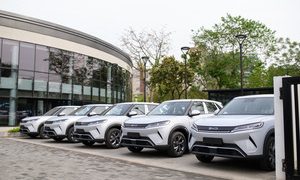


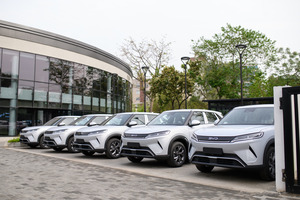
Islamabad: Prime Minister Shehbaz Sharif has approved the Auto Policy 2026-31. The policy aims to increase local vehicle production, promote exports and improve competitiveness in the auto industry. Under it, a target has been set to increase vehicle exports to $6 billion and auto parts exports to $1.2 billion by 2030-31.
The new policy includes steps to reduce import duties in phases, encourage the use of electric vehicles and increase local production of parts. The proposed tariff reforms aim to bring the relevant tariff to 15 percent by 2030-31. The government aims to make the local industry more competitive in global markets.
Changes in taxes and financing for electric vehicles
The policy proposes separate sales tax rates for different types of electric vehicles. It proposes to levy one percent sales tax on battery-powered electric vehicles, six percent on range-extended electric vehicles and nine percent on plug-in hybrid vehicles.
To make it easier to purchase small electric vehicles, a lower tariff has been proposed for vehicles worth less than $15,000. In addition, it is proposed to increase the maximum financing limit for electric vehicles from Rs 3 million to Rs 10 million and extend the loan tenure from three to five years.
Action for failure to meet export targets
The new auto policy proposes to set export targets for vehicle manufacturing companies. The plan is to provide incentives to companies that export more than the set targets, while imposing penalties on companies that do not meet the targets. It also includes a proposal to cancel the manufacturing certificate if the export targets are not met for two consecutive years.
The government will also take steps to increase local production of auto parts and reduce import dependence. The policy proposes to withdraw incentives from companies that do not meet the local production targets. It also includes a plan to provide financial assistance to the auto parts manufacturing industry to adopt modern technology.
Levy and monitoring system for industrial development
The policy proposes to impose an automotive development levy on vehicles larger than 1,000 cc. Over Rs 232 billion is estimated to be collected in this regard over five years. The proposed amount is planned to be used for export incentives, industrial development and improving the technology of auto parts manufacturing companies.
It also includes a proposal to establish the Pakistan Automotive Testing Institute to improve quality and transparency in the auto industry. The institute will promote research, vehicle testing, certification and third-party audit systems.
The new policy also proposes to implement global safety standards for local and imported vehicles and to make buyer protection clauses part of companies’ contracts. There are plans to conduct audits twice a year to monitor local production, export incentives and other financial measures.
The government has also included targets for the production and training of skilled manpower in the auto sector. The target is to prepare a law on Automotive Development Levy by December 2026.
The results of the policy will depend on its practical implementation, investment in the local industry, access to export markets and the impact on vehicle prices.