

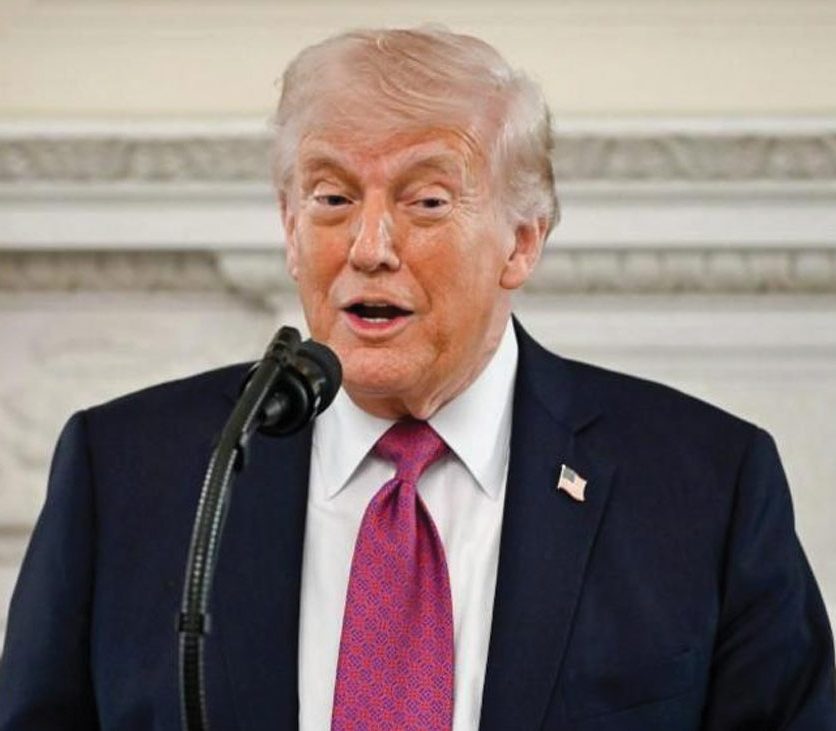
The ongoing dispute between Washington and Tehran intensified when US President Donald Trump categorically rejected the peace offer presented by Iran.
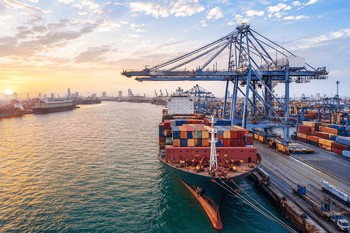
The proposal sent by Tehran with the cooperation of Pakistan set some “red lines” on the Strait of Hormuz and the nuclear program, however, Trump termed it as insufficient, saying that the naval blockade was proving to be more effective than bombing and that it would continue until Iran reached a full nuclear deal.
Trump, in his own style, shared a photo on social media with the slogan “No more Mr. Nice Guy”, reflecting his hard-line stance.On the other hand, Iran has reacted strongly to this American behavior. Iranian Parliament Speaker Baqer Qalibaf appealed to the nation to remain united, saying that the enemy wants to divide the country internally through economic pressure and media hype.
Iran’s military spokesman Amir Ekramnia said in blunt terms that the war is not over yet and Iran still has many cards that will be used if necessary. He expressed distrust of the United States and warned that Iran is capable of responding forcefully to any aggression.The effects of this political tension are also deepening on the global economy.
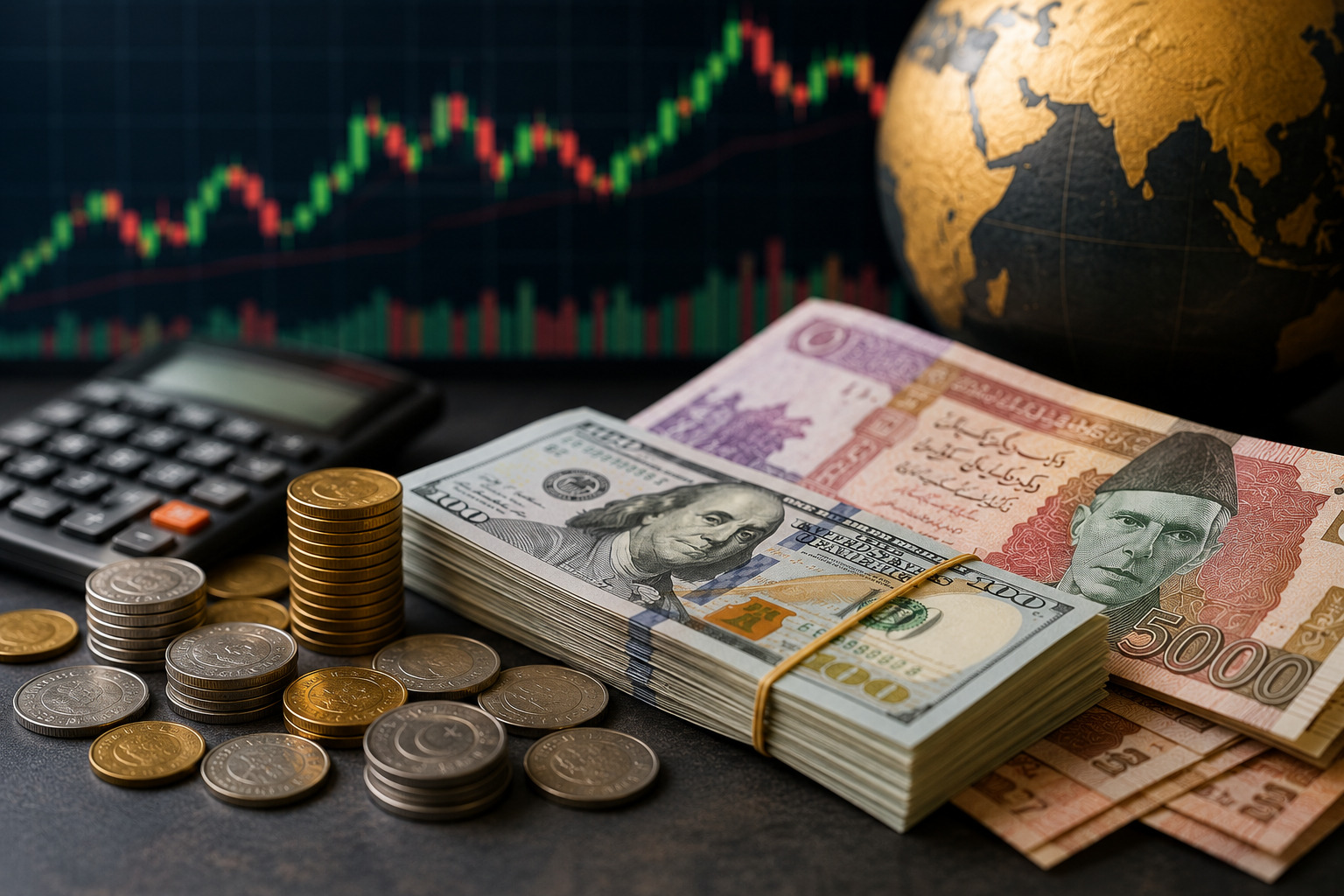
As news of the impasse in peace talks spread, the price of Brent crude rose 5% to $117 per barrel, the highest level since April 8. Although Iran’s oil minister has claimed that fuel supplies are stable, the Iranian rial has fallen to a historic low against the dollar, evidence of the severe pressure on the Iranian economy.
We welcome your contributions to The Pakistan Observer. Submit your blogs, opinion pieces, press releases and news features to our editorial team.
Please send your submissions to our News Desk or Editorial team. We look forward to hearing from writers, journalists and contributors.