

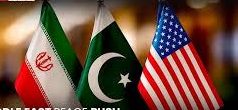
Lahore – In a stunning display of geopolitical influence, Pakistan has positioned itself at the very heart of global diplomacy this week. As the world held its breath under the weight of escalating regional conflict, Islamabad successfully brokered a fragile two-week ceasefire between the United States and Iran—a breakthrough that many believed was impossible just days ago.
The agreement, announced by Prime Minister Shehbaz Sharif and welcomed by international leaders, comes at a time when the Middle East was on the brink of total war. By leveraging its unique historical ties with Tehran and its strategic security partnership with Washington, Pakistan has managed to do what few others could: bring both sides back to the negotiating table.
The Islamabad Summit: Setting the Stage for Peace
As of today, April 9, the federal capital is undergoing a massive security transformation. With public holidays declared and the “Red Zone” sealed, Islamabad is preparing to host high-level delegations from both nations on Friday, April 10.
The agenda is daunting but clear. Key points of discussion include:
- Permanent Ceasefire: Moving beyond the current 14-day truce to a lasting end to hostilities.
- The Strait of Hormuz: Reopening the world’s most critical oil transit route to stabilise global energy markets.
- Security Frameworks: Addressing Iran’s 10-point proposal and the US 15-point counter-proposal regarding regional stability and nuclear concerns.
Why Pakistan? The Strategy Behind the Mediation
For Pakistan, this isn’t just about global prestige—it’s about national survival. Instability in neighbouring Iran directly threatens the security of Balochistan and risks a massive refugee crisis. By stepping in as a power broker, Islamabad is protecting its own borders while enhancing its diplomatic relevance.
The involvement of the military leadership, specifically Field Marshal Asim Munir, has added a layer of credibility that resonated with the Trump administration. This “security-first” approach has allowed Pakistan to act as a bridge, convincing both adversaries that a diplomatic exit is better than a prolonged military entanglement.
The Economic and Regional Stakes
The impact of this diplomacy is already being felt in the markets. The news of the ceasefire has provided a much-needed sigh of relief for the global economy, which has been reeling from surging oil prices. Domestically, the success of these talks could lead to renewed energy cooperation and a stabilisation of the PKR, as regional tensions ease.
However, the road ahead remains incredibly steep. Trust between Washington and Tehran is at an all-time low, and the truce is described by many as “fragile”. As the world’s eyes turn to the Serena Hotel in Islamabad this weekend, the success of Pakistani diplomacy will be tested like never before. If Islamabad can facilitate even a partial settlement, it will cement its status as an indispensable actor in 21st-century geopolitics.
We welcome your contributions to The Pakistan Observer. Submit your blogs, opinion pieces, press releases and news features to our editorial team.
Please send your submissions to our News Desk or Editorial team. We look forward to hearing from writers, journalists and contributors.