

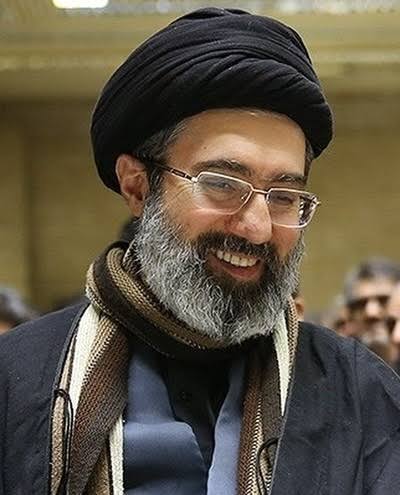
TEHRAN — In a move that cements a new era of dynastic rule and hardline defiance, the Iranian Assembly of Experts has officially named Mojtaba Khamenei as the country’s third Supreme Leader. The announcement, made early Monday, March 9, 2026, follows the death of his father, Ayatollah Ali Khamenei, who was killed in a joint U.S.-Israeli airstrike on February 28.
The selection of the 56-year-old cleric marks a historic shift for the Islamic Republic, which was founded in 1979 on the rejection of hereditary monarchy. By elevating the son of the previous leader, the regime has signaled that survival and continuity now outweigh revolutionary optics.
The Man in the Shadows: Who is Mojtaba Khamenei?
For decades, Mojtaba Khamenei was known as the “gatekeeper” of the Beit-e Rahbari (the Office of the Supreme Leader). While he held no formal government title, he was widely considered the most powerful “shadow” figure in Tehran.
- Clerical Standing: Unlike his father, Mojtaba does not hold the rank of “Grand Ayatollah.” He is a mid-ranking cleric (Hujjat al-Islam), a fact that has caused friction among senior theologians in Qom who question his religious legitimacy to lead.
- Military Ties: His greatest strength lies in his deep-rooted alliance with the Islamic Revolutionary Guard Corps (IRGC). He reportedly fought in the Iran-Iraq War as a teenager and has spent the last 20 years managing the IRGC’s interests within the supreme leadership.
- The “Architect of Repression”: To the Iranian public, Mojtaba is a polarizing figure. He is widely blamed for orchestrating the brutal crackdown on the 2009 Green Movement protests and has been a central figure in the regime’s internal security apparatus.
Personality and Leadership Style
Observers describe Mojtaba as calculated, secretive, and uncompromising. Unlike his father, who occasionally used rhetorical flourishes to balance different political factions, Mojtaba is viewed as a “securocrat.”
”Mojtaba does not seek the limelight; he seeks control. He is a tactician who prioritizes the military-security complex over the clerical tradition,” says one regional analyst.
His personality suggests a leader who will govern with an iron fist, leaning heavily on the IRGC to maintain domestic order while pursuing a more aggressive, perhaps even nuclear-focused, foreign policy.
Impact on Iran and the World
| Focus Area | Expected Impact |
|---|---|
| Domestic Stability | Likely to face immediate legitimacy challenges from the public and reformist clerics due to the “hereditary” nature of his rise. |
| The Nuclear Program | Analysts predict Mojtaba may accelerate the push for a nuclear deterrent to prevent further “decapitation” strikes by the U.S. and Israel. |
| Regional Conflict | Expect a “no-compromise” stance. His close ties to the IRGC suggest increased support for the “Axis of Resistance” (Hezbollah, Houthis, etc.). |
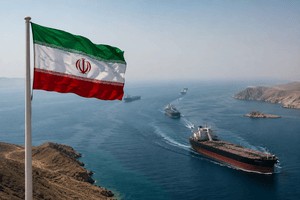
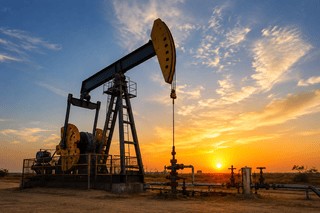
| Global Economy | Oil markets remain volatile as Mojtaba takes power; his appointment suggests Iran will not seek a de-escalation with the West anytime soon. |
A World on Edge
The international response has been swift. U.S. President Donald Trump has already termed the selection “unacceptable,” warning that the new leader “is not going to last long” without significant changes in Tehran’s behavior. Meanwhile, Israel has signaled that it views any successor to the elder Khamenei as a legitimate target in the ongoing conflict.
As Mojtaba Khamenei steps out of the shadows and into the highest office in the land, he inherits a nation at war, an economy in shambles, and a population that is increasingly disillusioned with the revolutionary guardrail.